
We left Vancouver on the Sea-to-Sky Highway and followed the road from the coast into the mountains. Whistler was only about two hours away, but late May still sat somewhere between seasons. The days were warm, the village was quiet and snow continued to block many trails higher up.
That changed our hiking plans more than once. Instead of forcing summer routes into spring conditions, we connected the trails that were open: Cheakamus Lake near Whistler, all three Joffre Lakes and finally the waterfalls of Wells Gray on the long road towards Jasper.
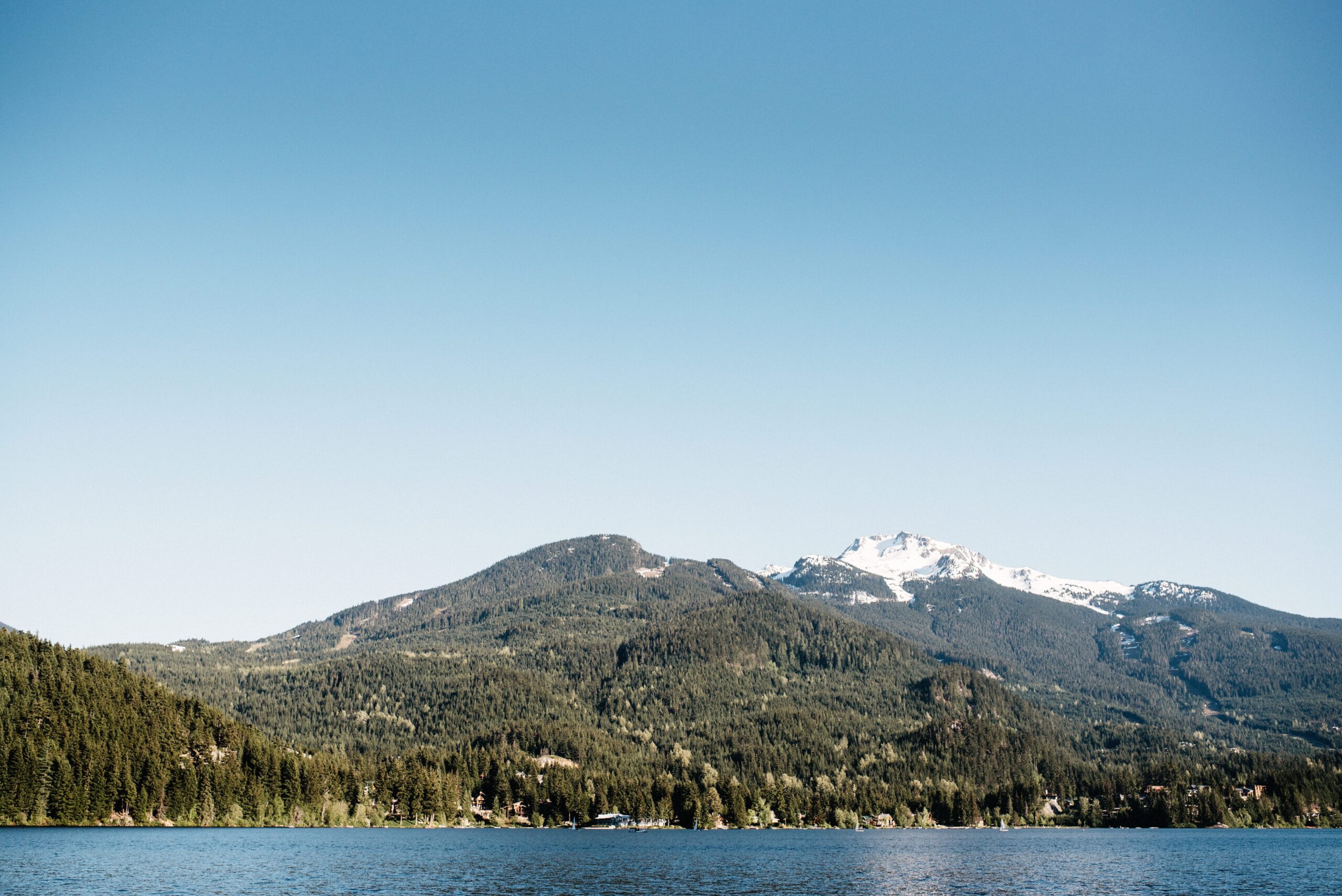
Arriving in Whistler off-season
Whistler was known for the 2010 Winter Olympics, and the remaining snow made that history easy to imagine. We visited the information centre in the village because trail conditions mattered more than our original list. It was also the first visitor centre in a while where nearby parking was not simply free, something we had become far too accustomed to in the United States.
The village had everything we needed, from hostels and restaurants to supermarkets. Groceries were noticeably more expensive than in the larger stores around Vancouver, so stocking up before arriving would have been the better plan.
Alta Lake and Lost Lake offered easier alternatives close to town, suitable for a walk or picnic when a mountain trail was not possible. We liked having those options, but with limited time we chose one longer walk that led further away from the village.
Cheakamus Lake instead of Garibaldi
We had wanted to hike to Garibaldi Lake, but snowshoes and winter equipment would still have been necessary. Cheakamus Lake became the realistic alternative. The route was more of a long forest walk than a mountain hike, with little elevation gain and around four kilometres to the first lake views.
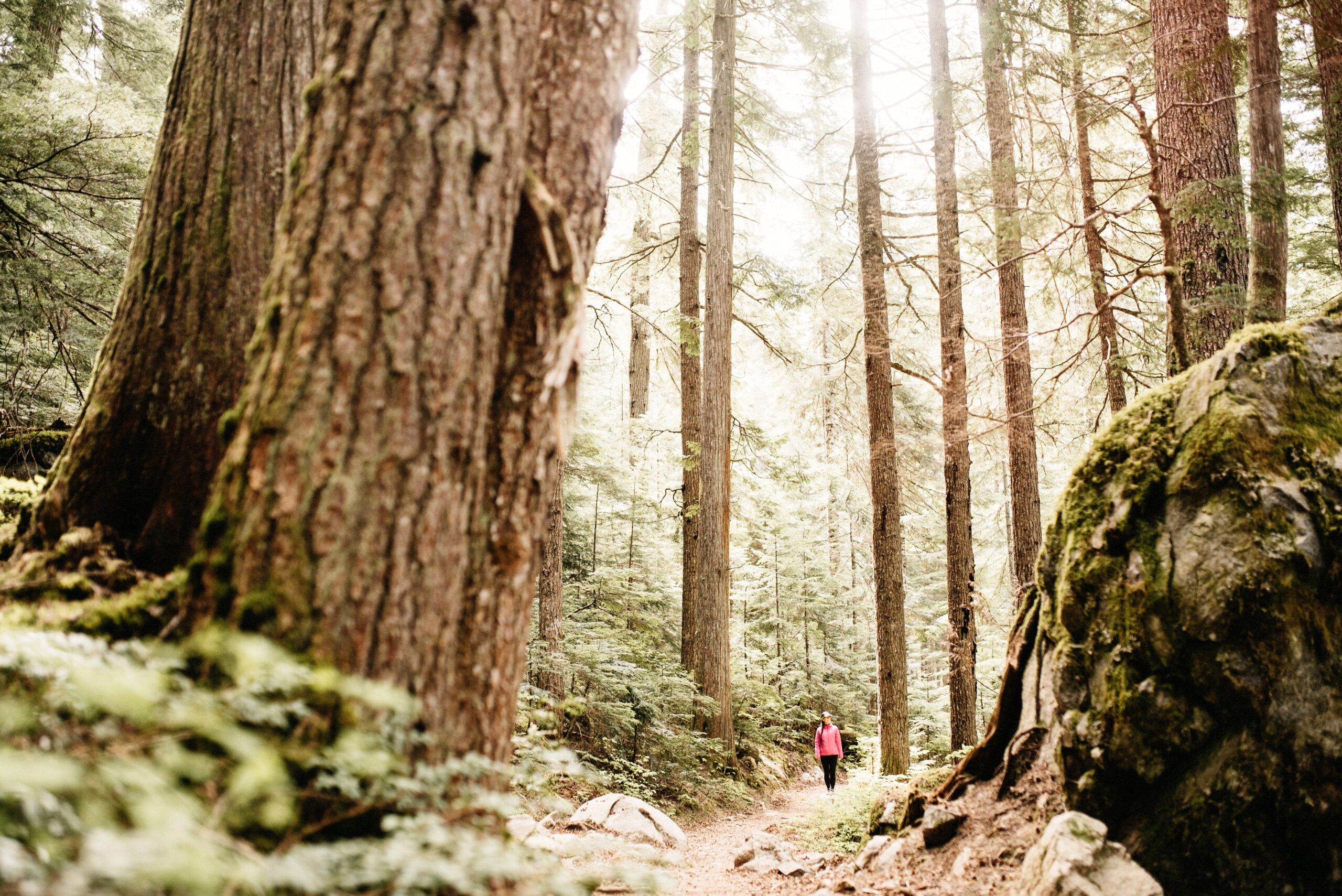
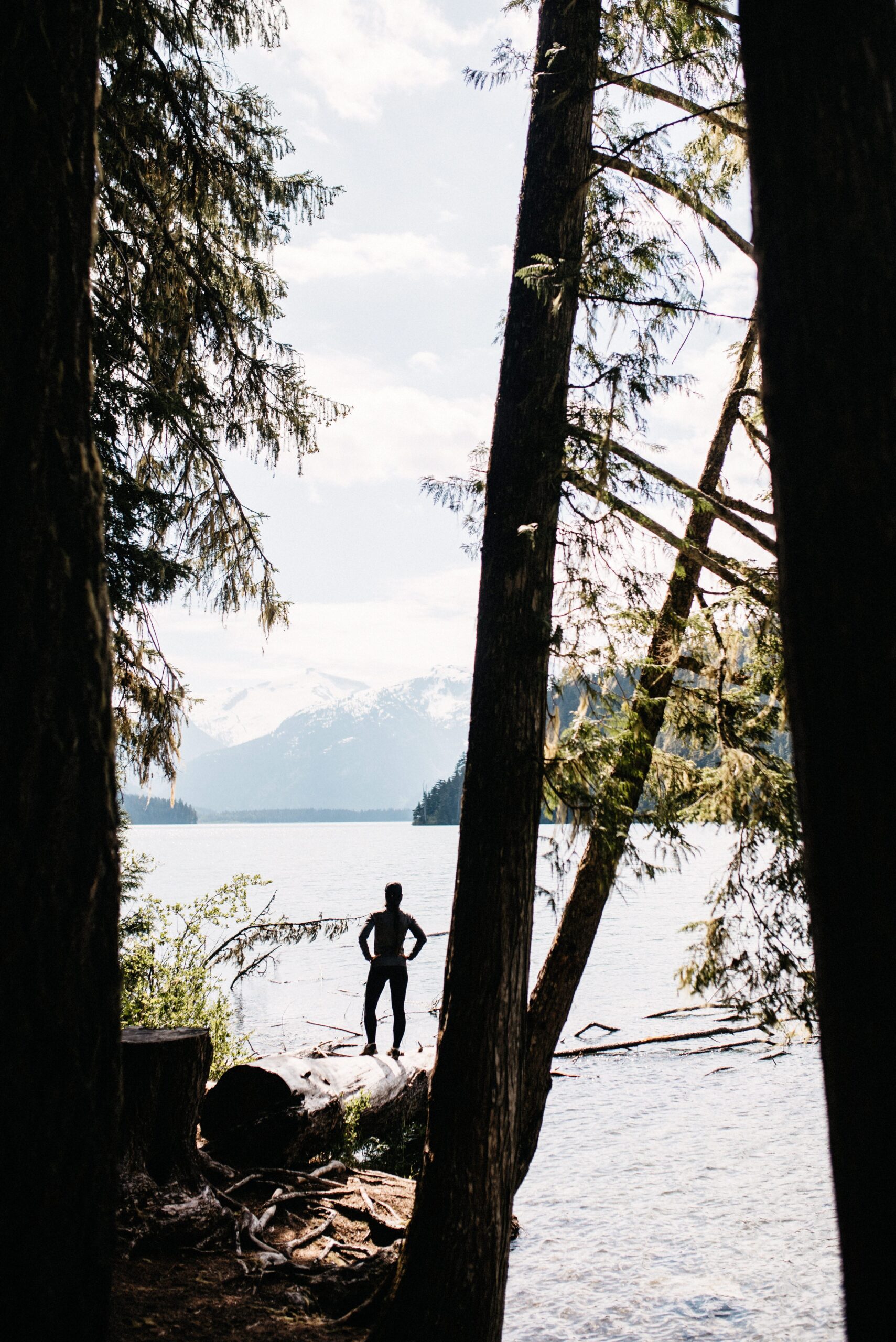
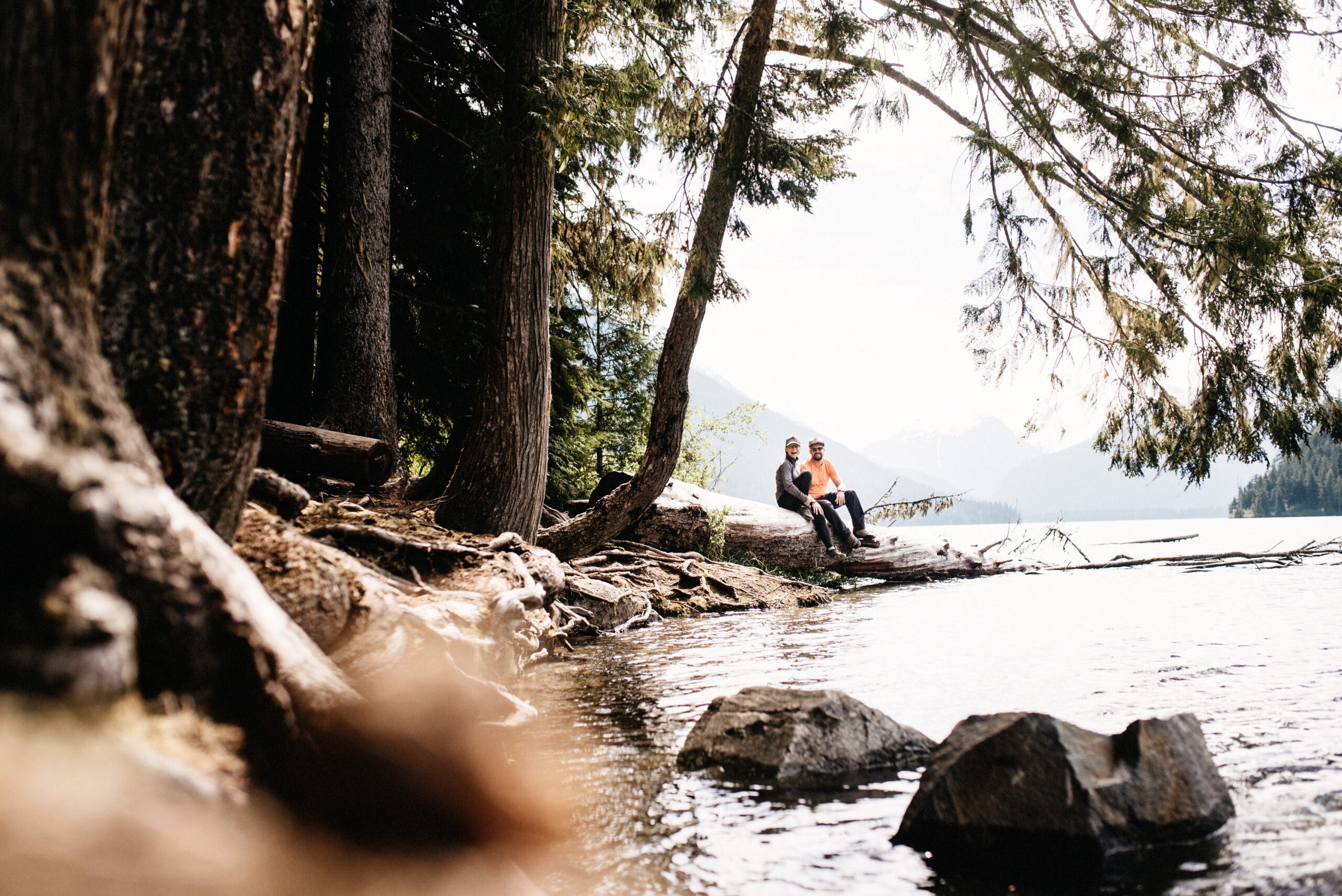
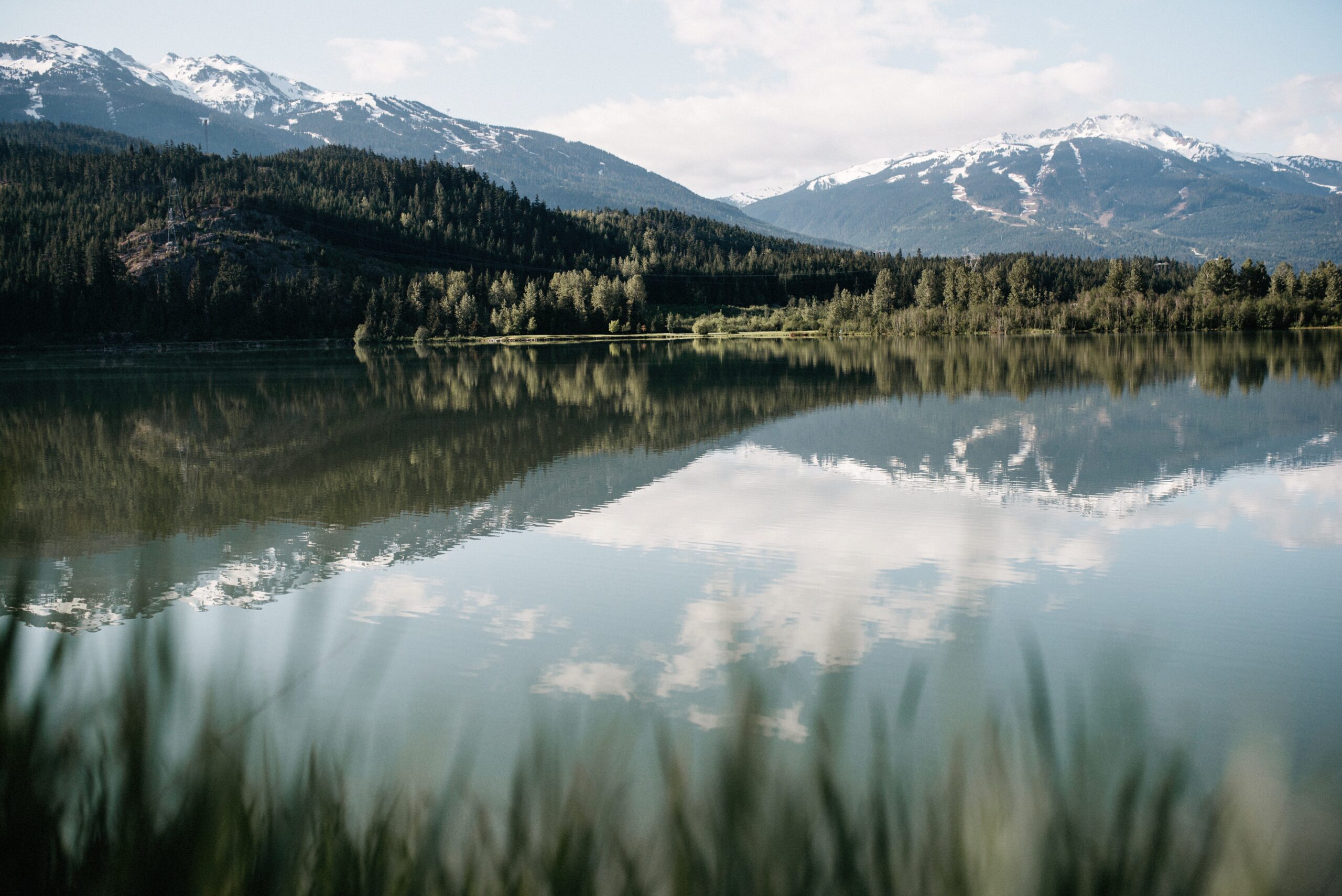
We continued towards the campground rather than turning around at the first shore access. The extra distance brought the familiar western Canadian view we had hoped for: a quiet lake framed by forest and snow-covered mountains.
Three lakes on the Joffre trail
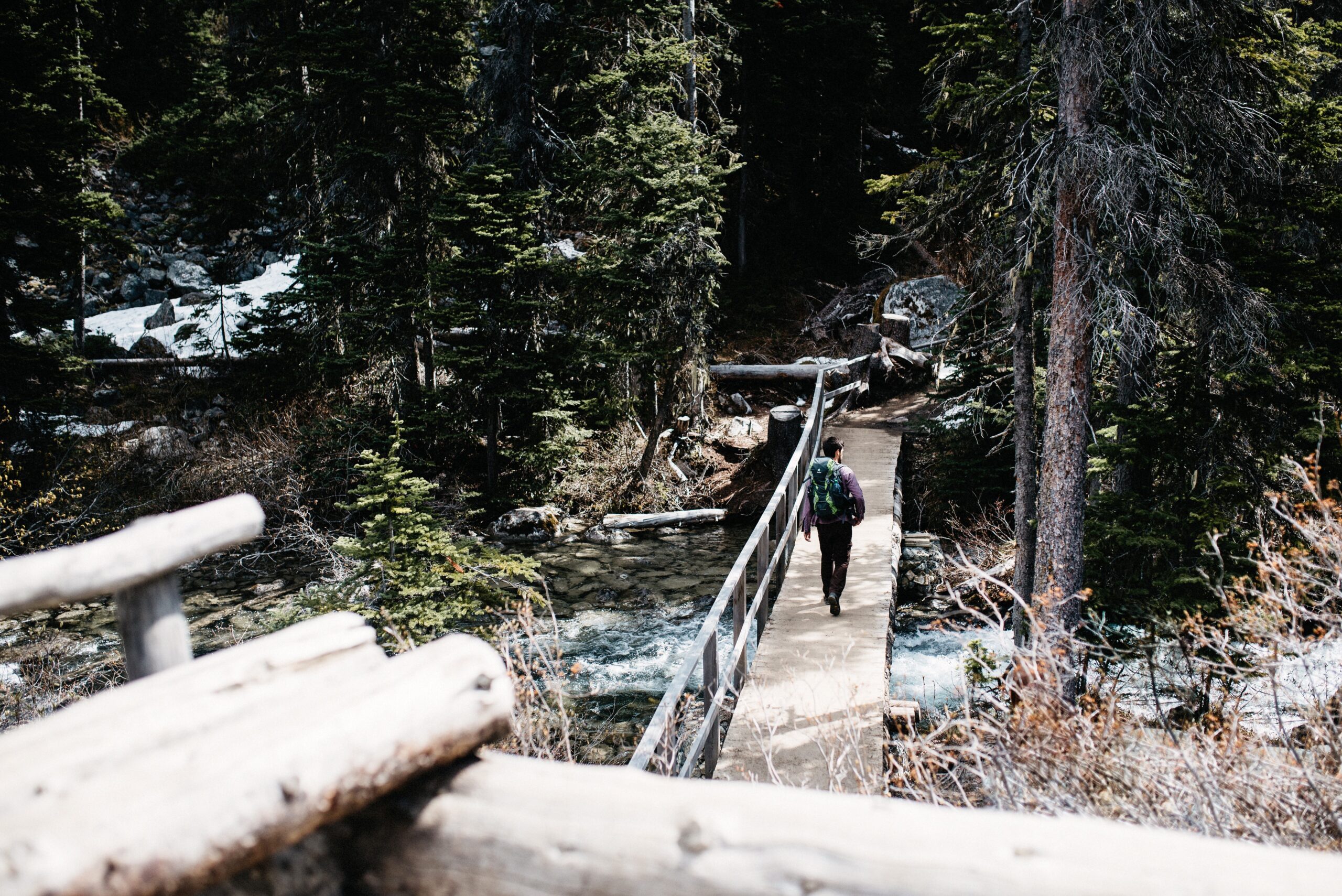
Joffre Lakes lay roughly an hour beyond Whistler and fitted naturally into the drive north. The trail began at Lower Joffre Lake and climbed through the forest towards Middle and Upper Joffre Lake. It took us around three to four hours return and became one of our favourite hikes in Canada.
The elevation gain was moderate rather than extreme, but snow made the upper section slower. We watched the trail under our feet instead of treating the stated walking time as a promise, especially once the forest floor changed from dry earth to white patches.
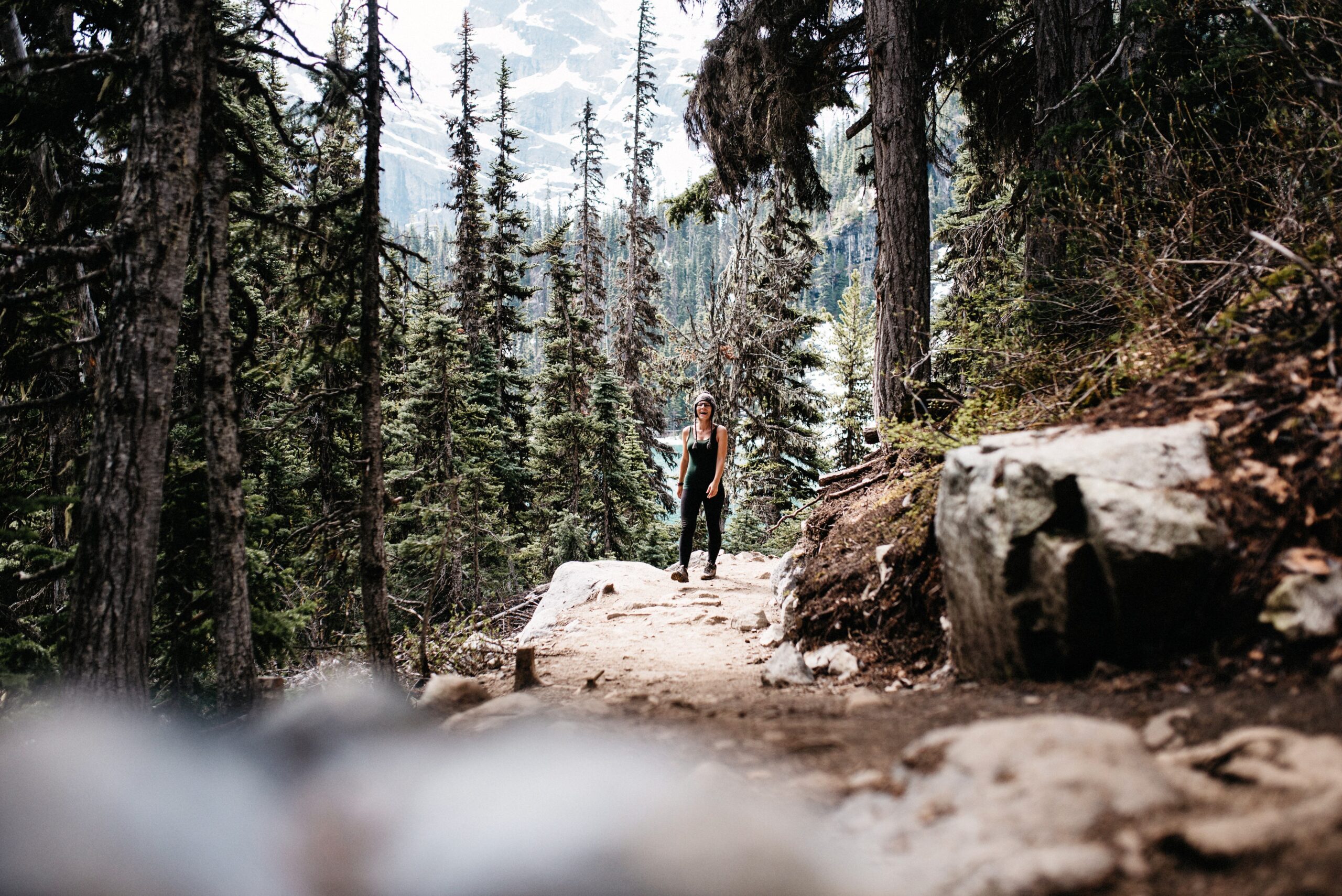
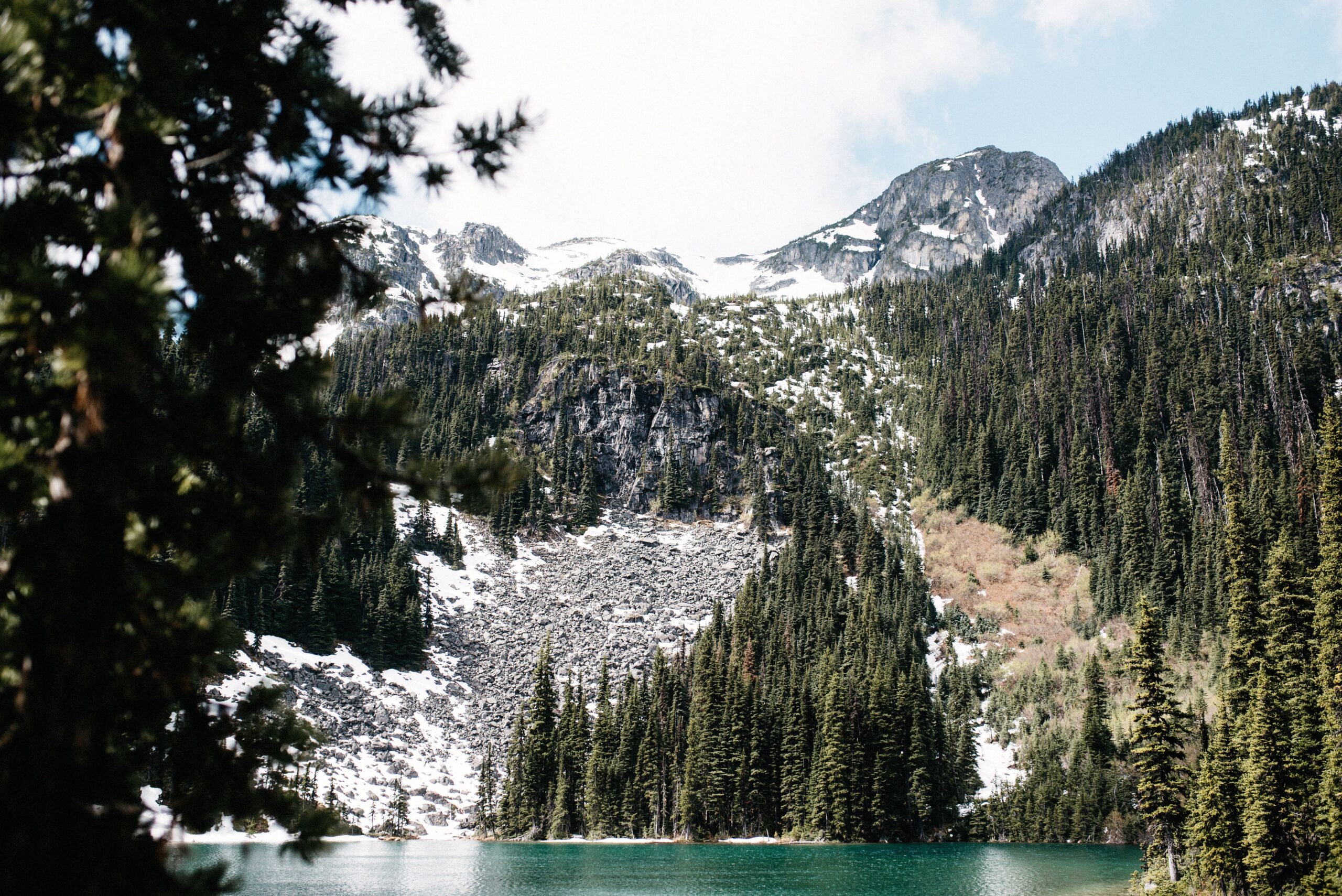
Lower Joffre was the least dramatic of the three. After about an hour, Middle Joffre appeared in a deep blue between the trees and immediately justified the climb. It looked much closer to the Canadian postcard in our heads.
Upper Joffre Lake was still frozen
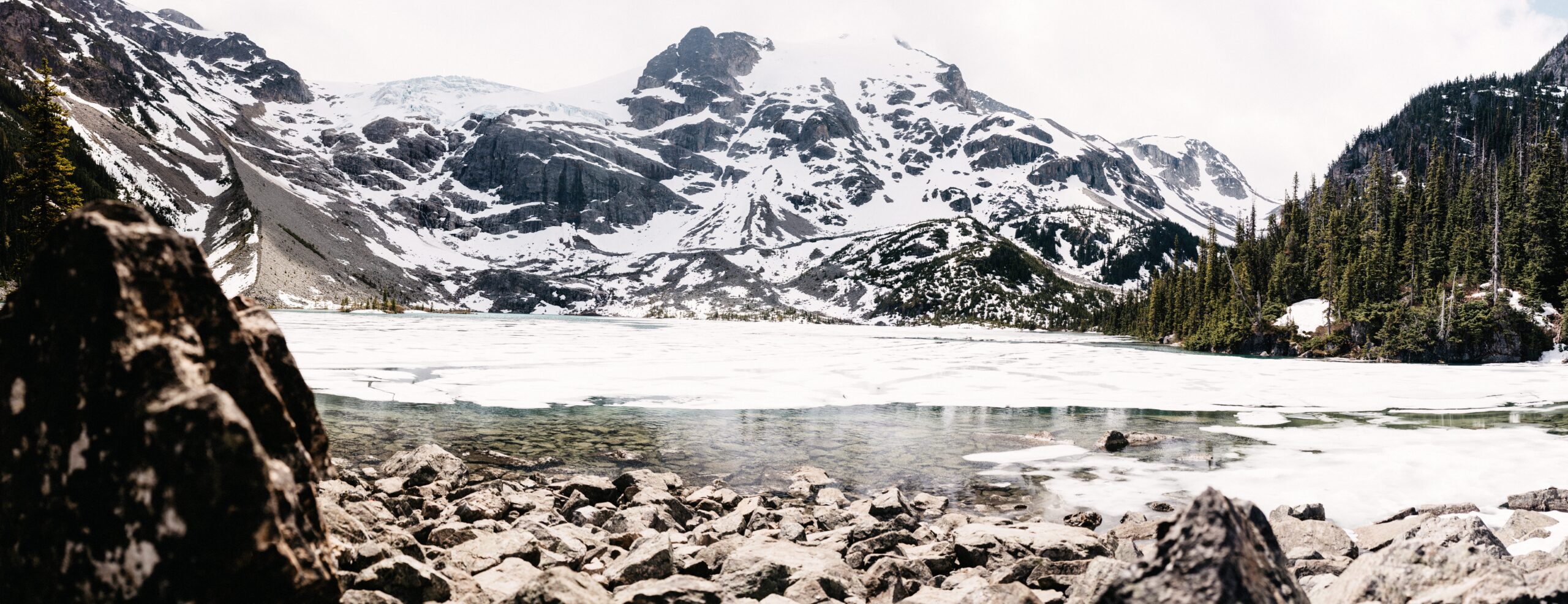
The final section passed a waterfall and climbed for another half hour. Snow returned to the trail as we gained height, but the route remained manageable. Upper Joffre Lake had not thawed yet and sat pale and frozen beneath the mountains.
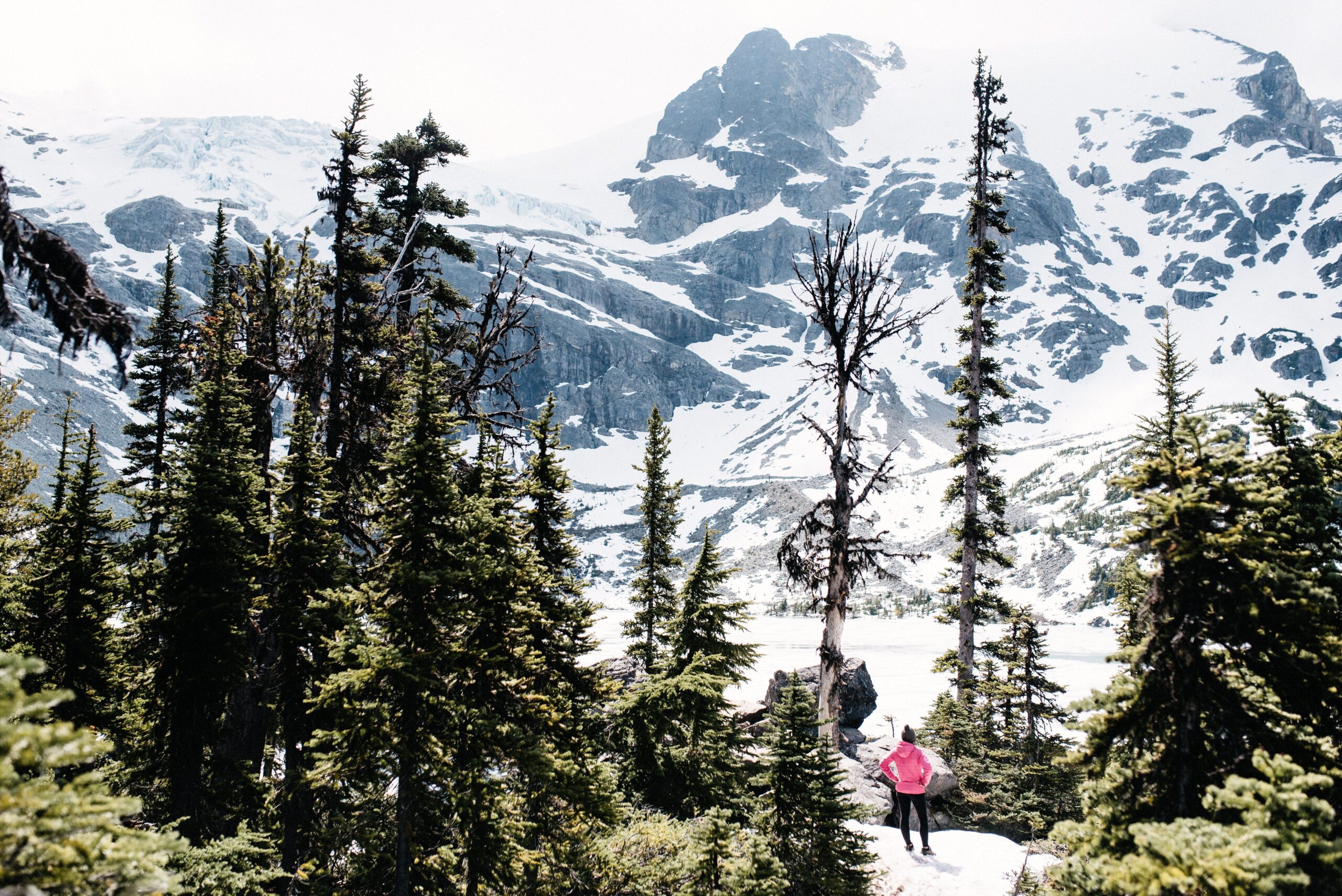
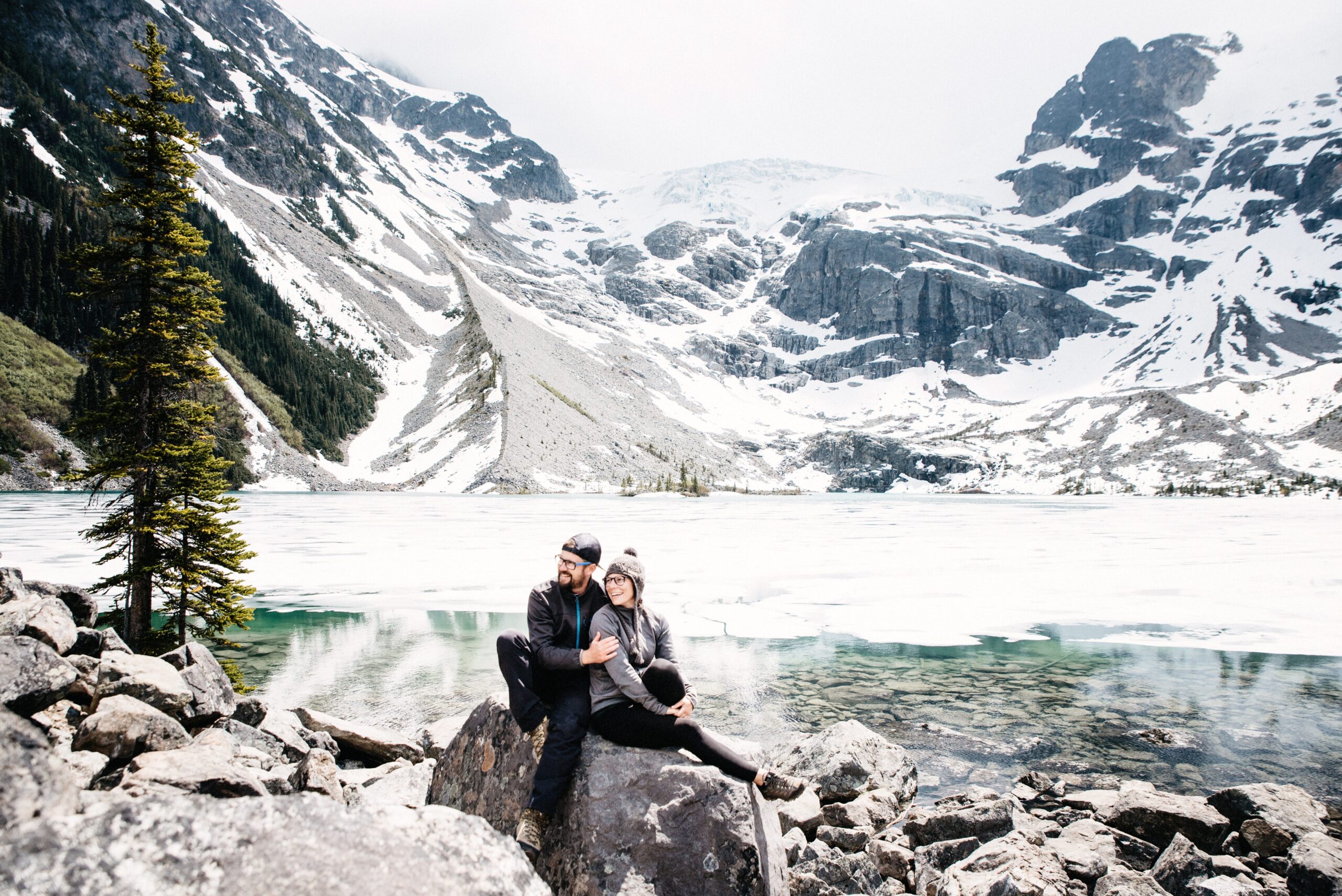
It was not the blue alpine lake shown in summer photographs, but we did not feel disappointed. The ice and remaining snow made the basin look rougher and more isolated. Late May had taken some hikes away from us and given this one a completely different character.
The long road towards Clearwater
From Whistler, Jasper was still far away. We broke the drive near Clearwater and used the stop to see Wells Gray Provincial Park instead of treating the town as nothing more than a bed beside the road. The route exchanged alpine lakes for dense forest and a series of waterfalls.
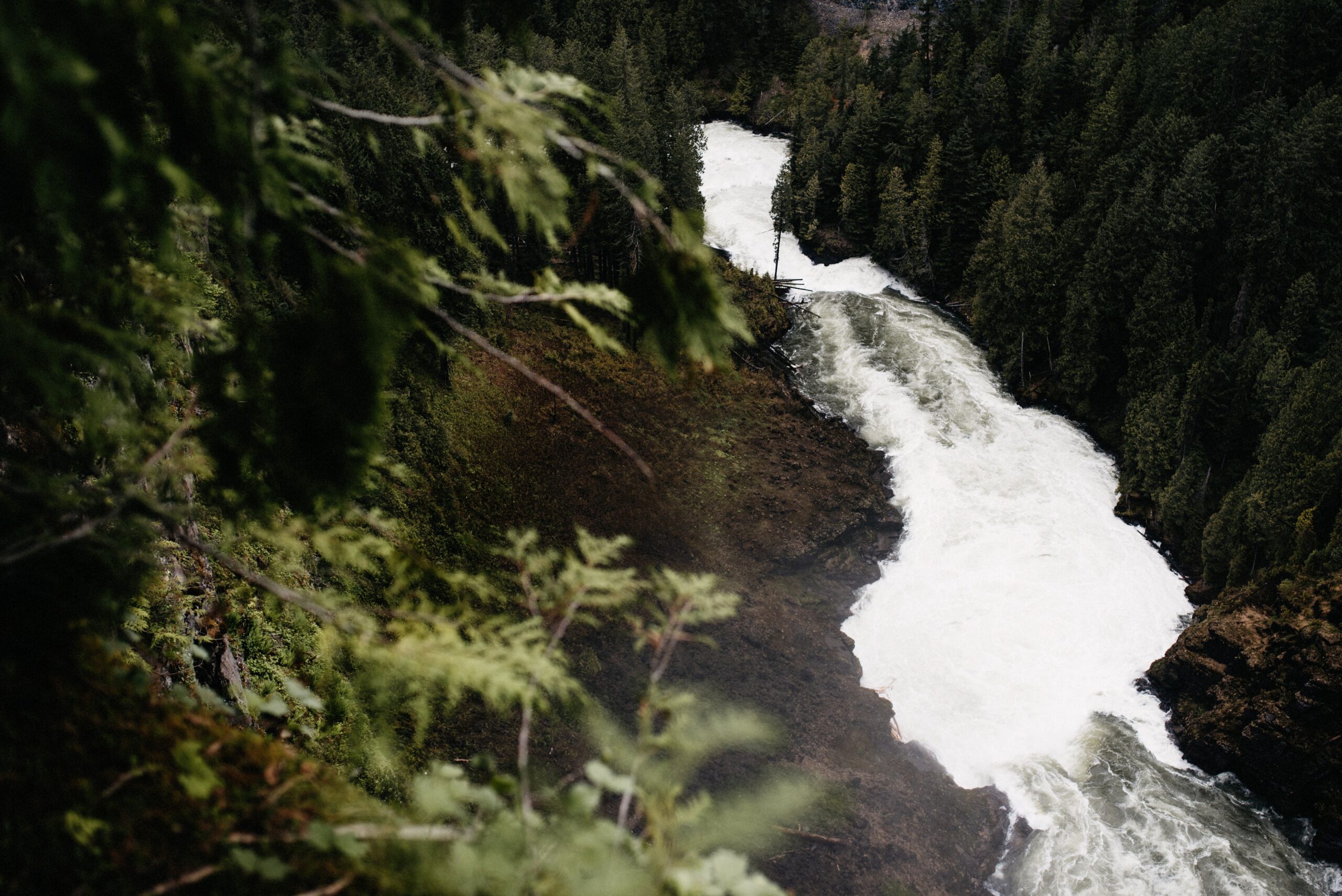
Waterfalls in Wells Gray
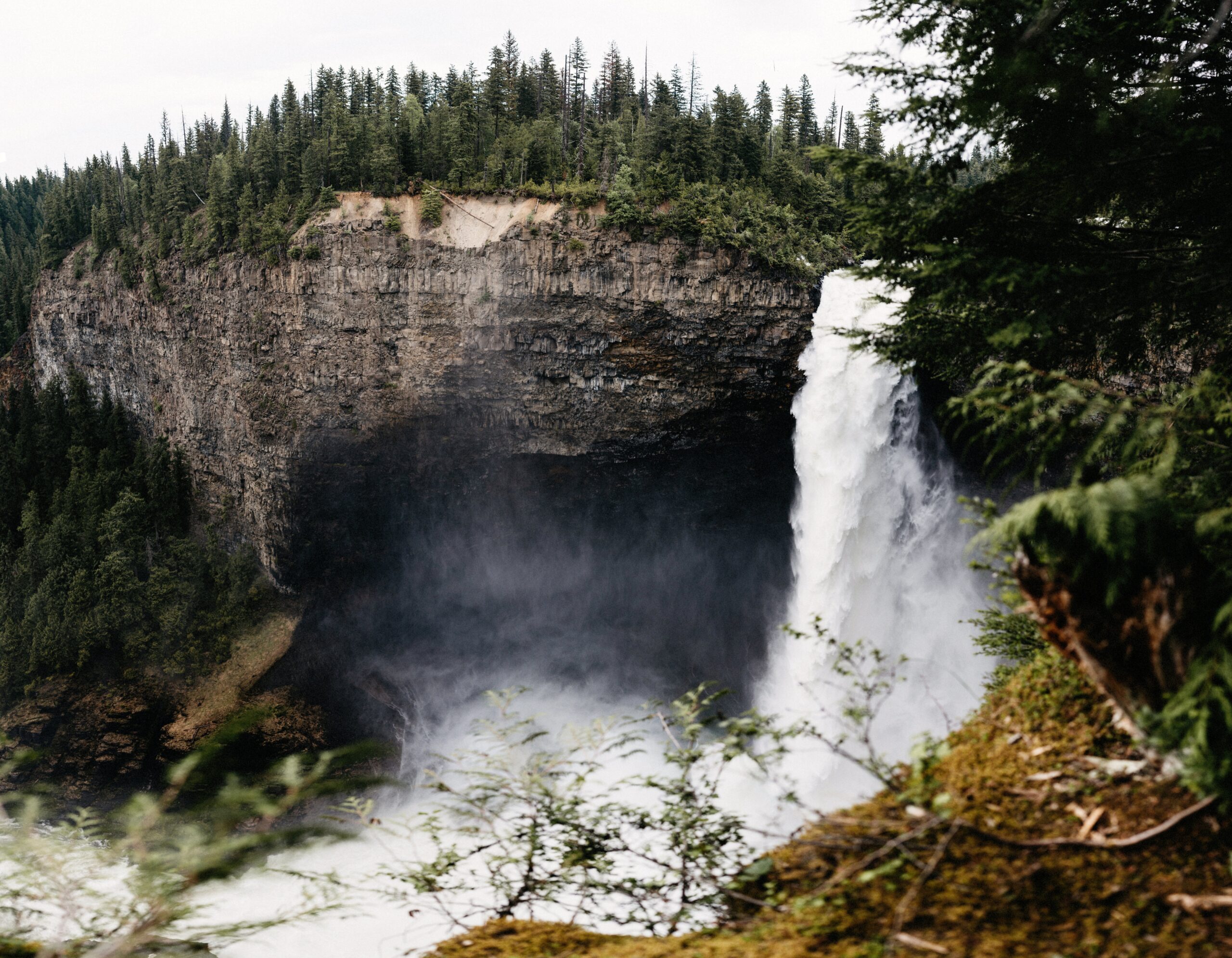
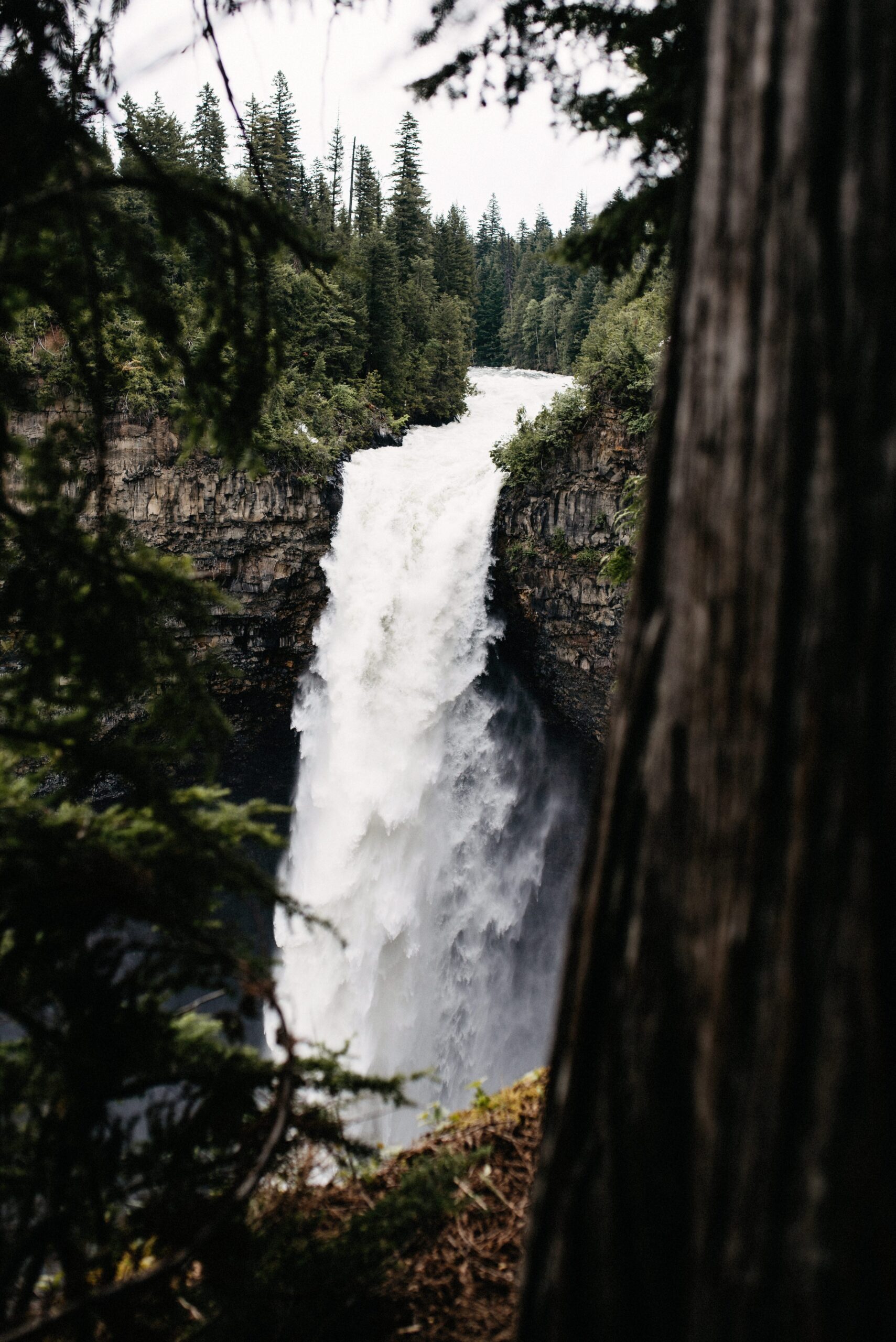
Helmcken Falls was the largest and most dramatic stop. The water dropped into a deep canyon surrounded by forest, and the viewpoint made the scale obvious without requiring another long hike. Smaller falls along the route gave us several reasons to stop before continuing towards Jasper.
After several days focused on lakes, the force of the water was a good change. Wells Gray did not require complicated planning for us: drive into the park, stop at the viewpoints and allow more time than the road distance suggested because every waterfall added another pause.
What late May changed
Off-season travel meant checking conditions and changing plans. Garibaldi Lake had to wait, Upper Joffre was still frozen and some higher trails were simply not sensible without winter gear. Even so, the route never felt like a compromise. Cheakamus, Joffre and Wells Gray each showed a different part of western Canada, and the snow became part of the story rather than a reason to rush through it.