
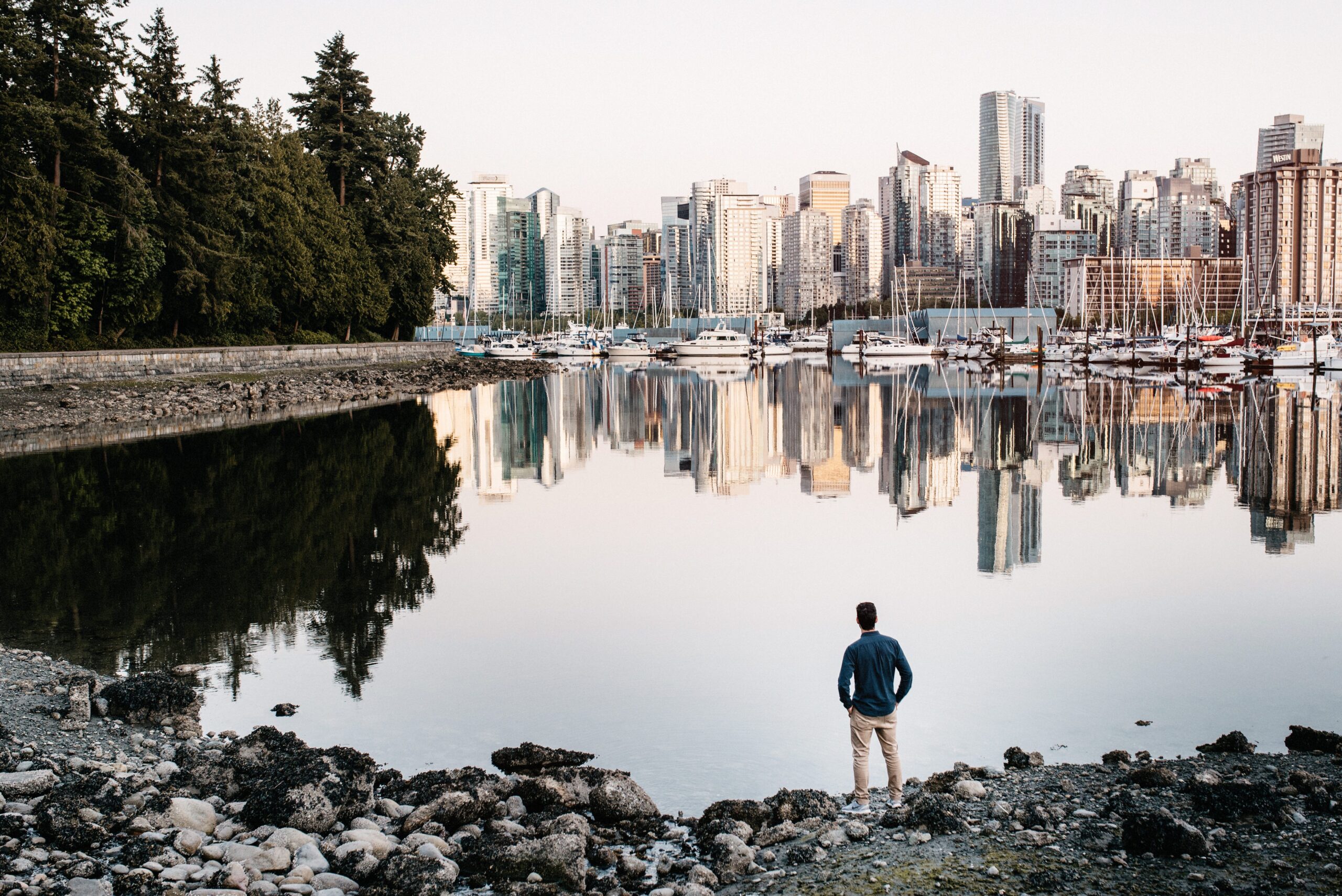
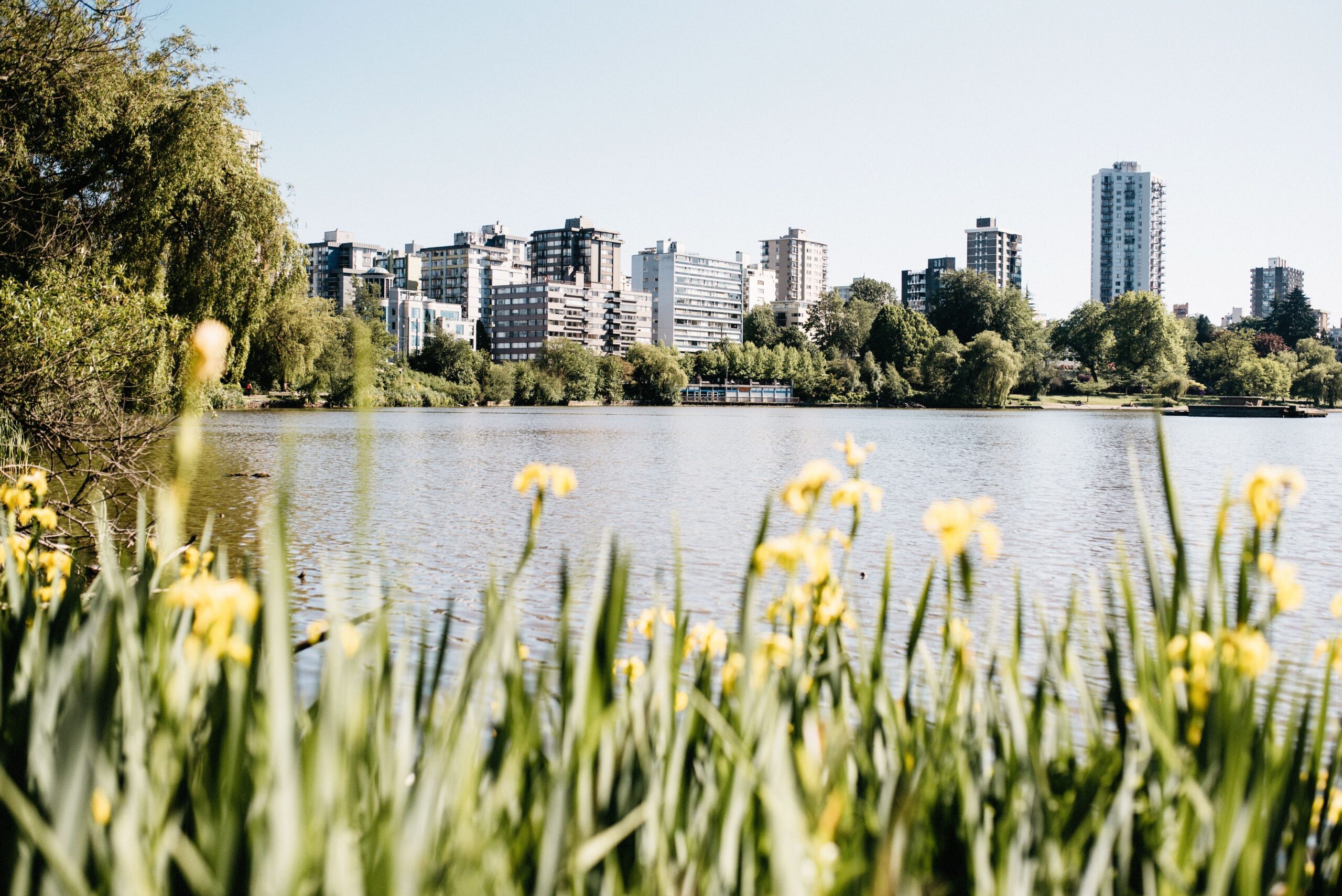
Vancouver was the first Canadian city on our route and a very easy place to like. Glass towers stood beside old brick buildings, the water was never far away and Stanley Park put an enormous green space almost directly in the city centre.
We spent three days there and explored mostly on foot and by bicycle. Two walking tours gave us the background, Granville Island took care of lunch and Stanley Park delivered the view we remembered most.
Two free walking tours through Vancouver
We joined two tours that started near the Vancouver Art Gallery: Downtown and Waterfront, followed by Gastown and Granville Street. Vancouver was a young city, so the history was not presented through centuries of monuments. It hid in street names, building rules and the rapid change from rainforest to railway city and modern skyline.
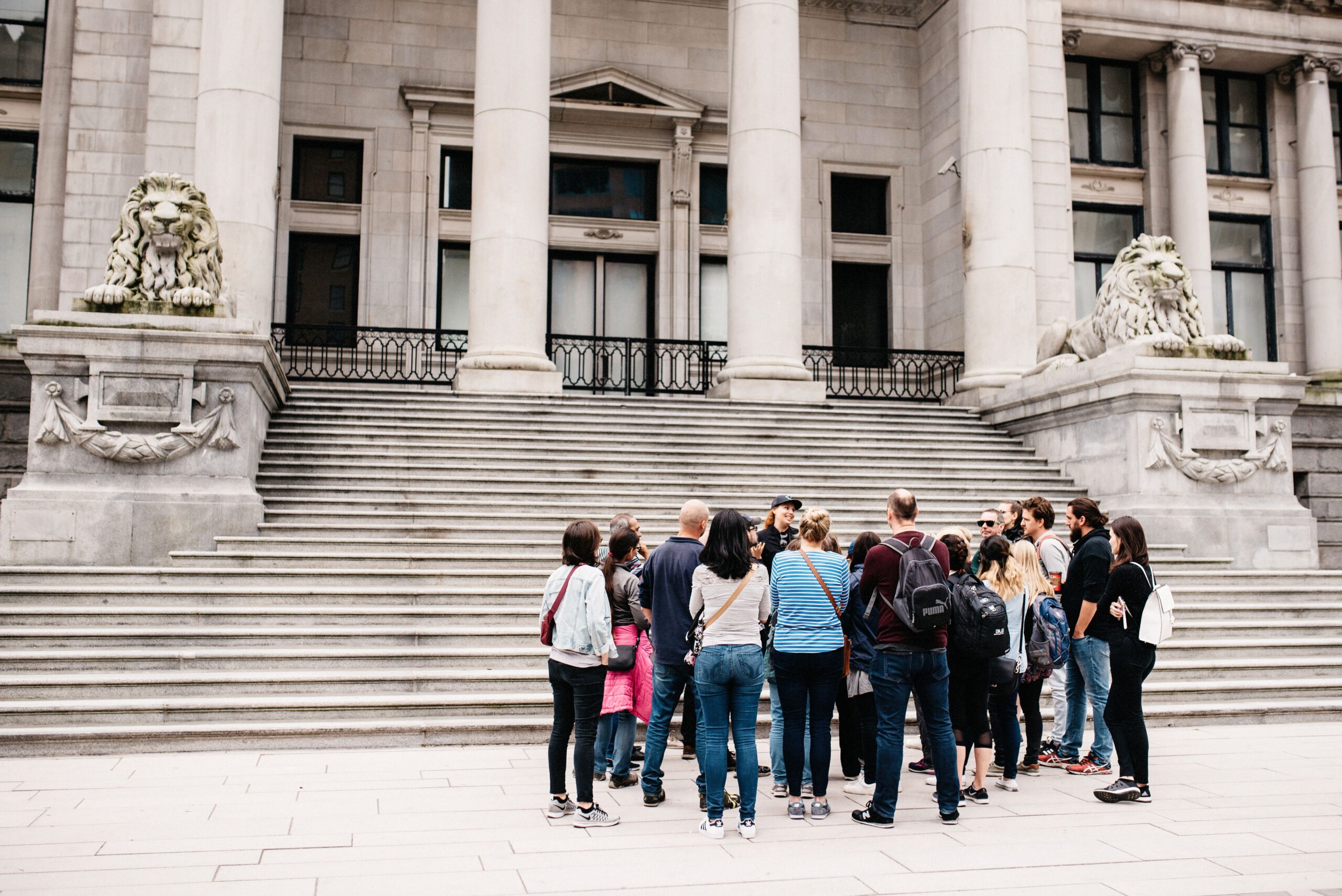
Downtown and the waterfront
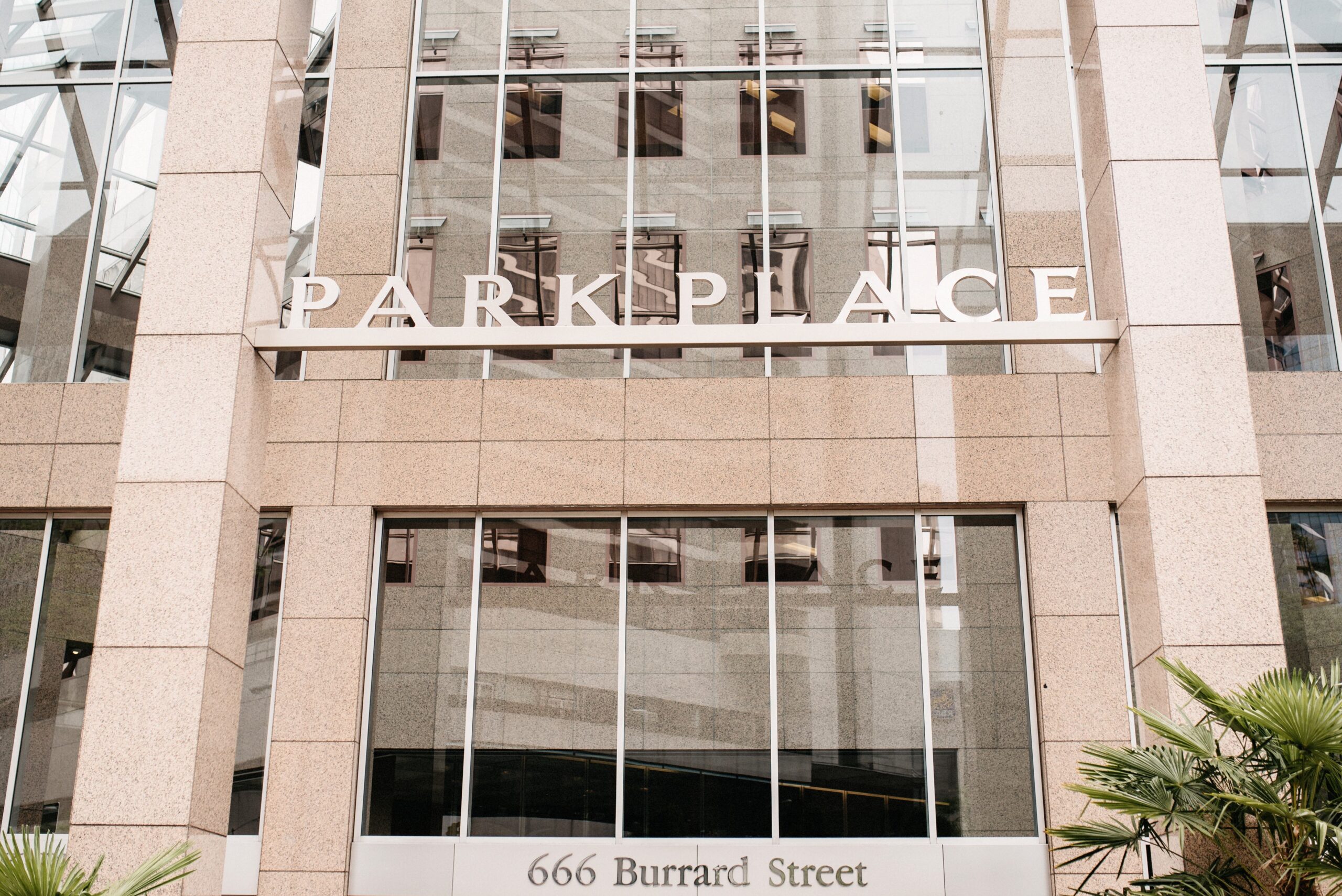
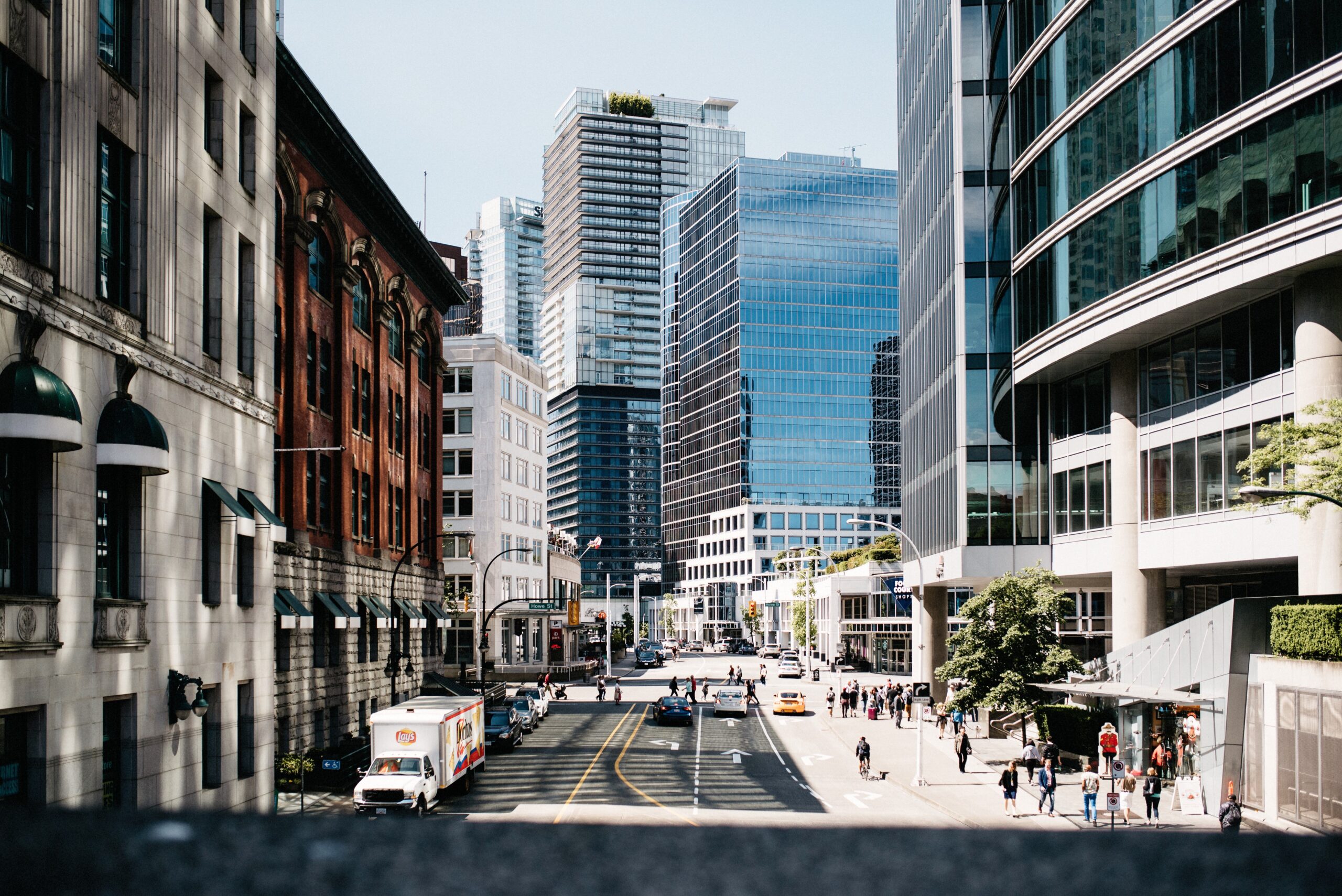
Downtown looked modern at first, with towers of similar height and pieces of public art in front of many buildings. The tour made us notice details we would otherwise have walked past, including Park Place at 666 Burrard Street and the way planning rules shaped the skyline.
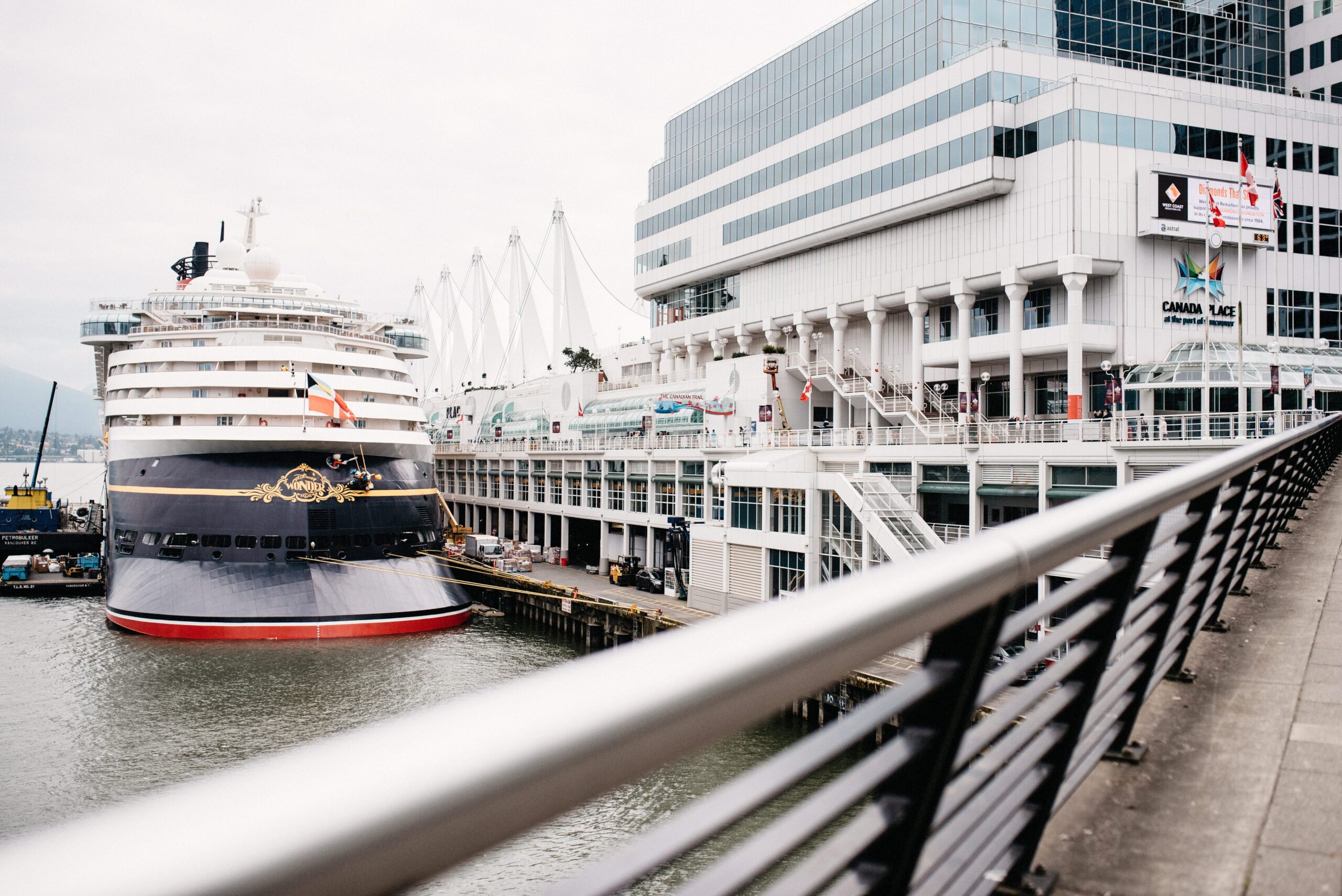
The waterfront mixed cruise ships, office buildings and broad views towards the mountains. It was the polished side of Vancouver and a good contrast to the older streets we reached later.
The guides also supplied the kind of facts that stayed with us because they were tied to things directly in front of us. Why were the towers similar in height? Why did so many buildings display public art? Without the tour, we would have photographed the same streets and understood much less of them.
Gastown and Granville Street
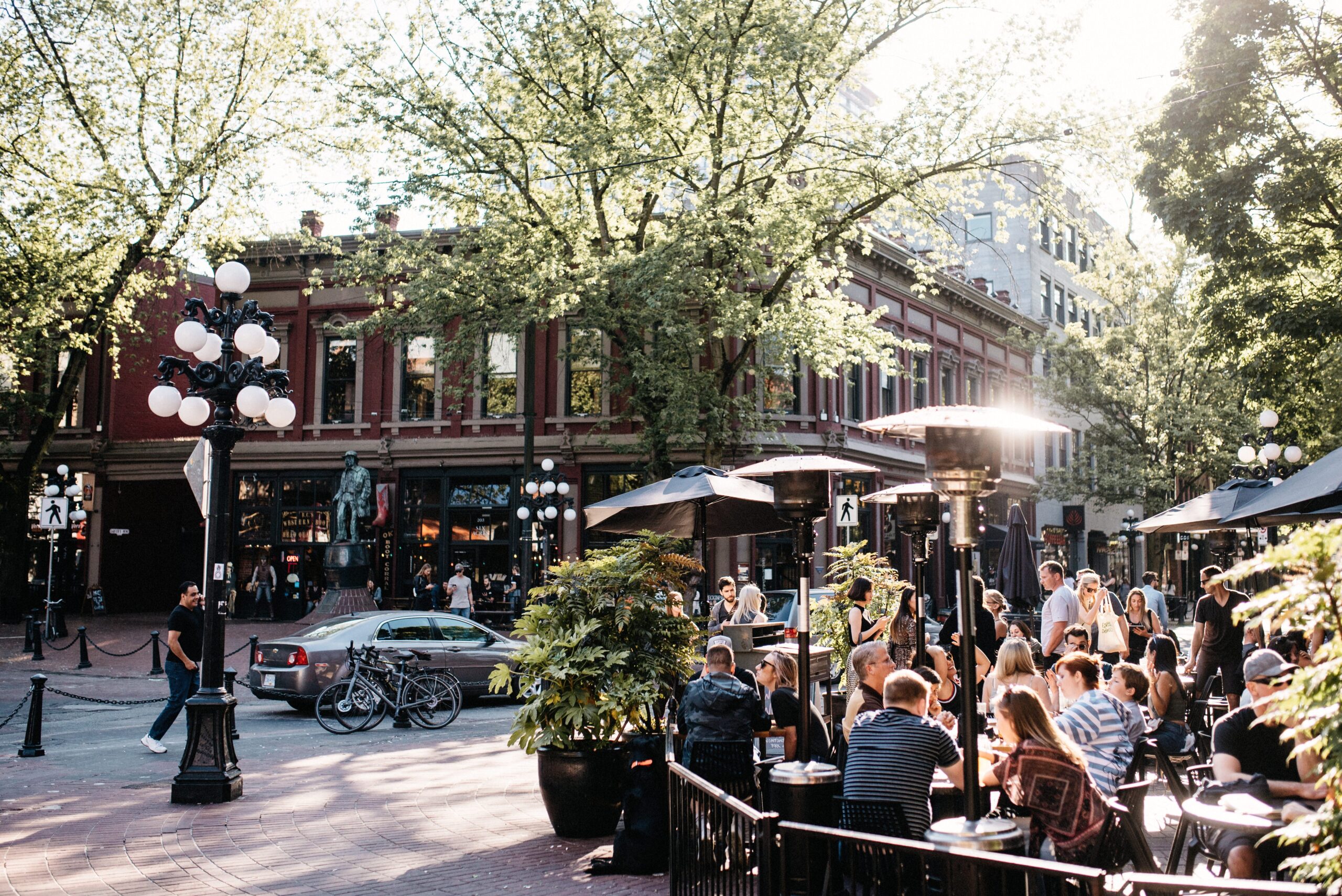
Gastown had no glass skyline. Brick buildings, bars, cafés and small shops made it feel like a different city. We liked wandering there, although the shopping was clearly aimed at people with a larger budget than ours.
Granville Street was the stranger counterpart. During the day it looked like a slightly worn shopping street filled with pubs. In the evening the neon signs came on and turned it into Vancouver’s party strip. The combination of polished downtown, expensive Gastown and noisy Granville made the walking tours much more useful than simply following the main sights.
Eating our way through Granville Island
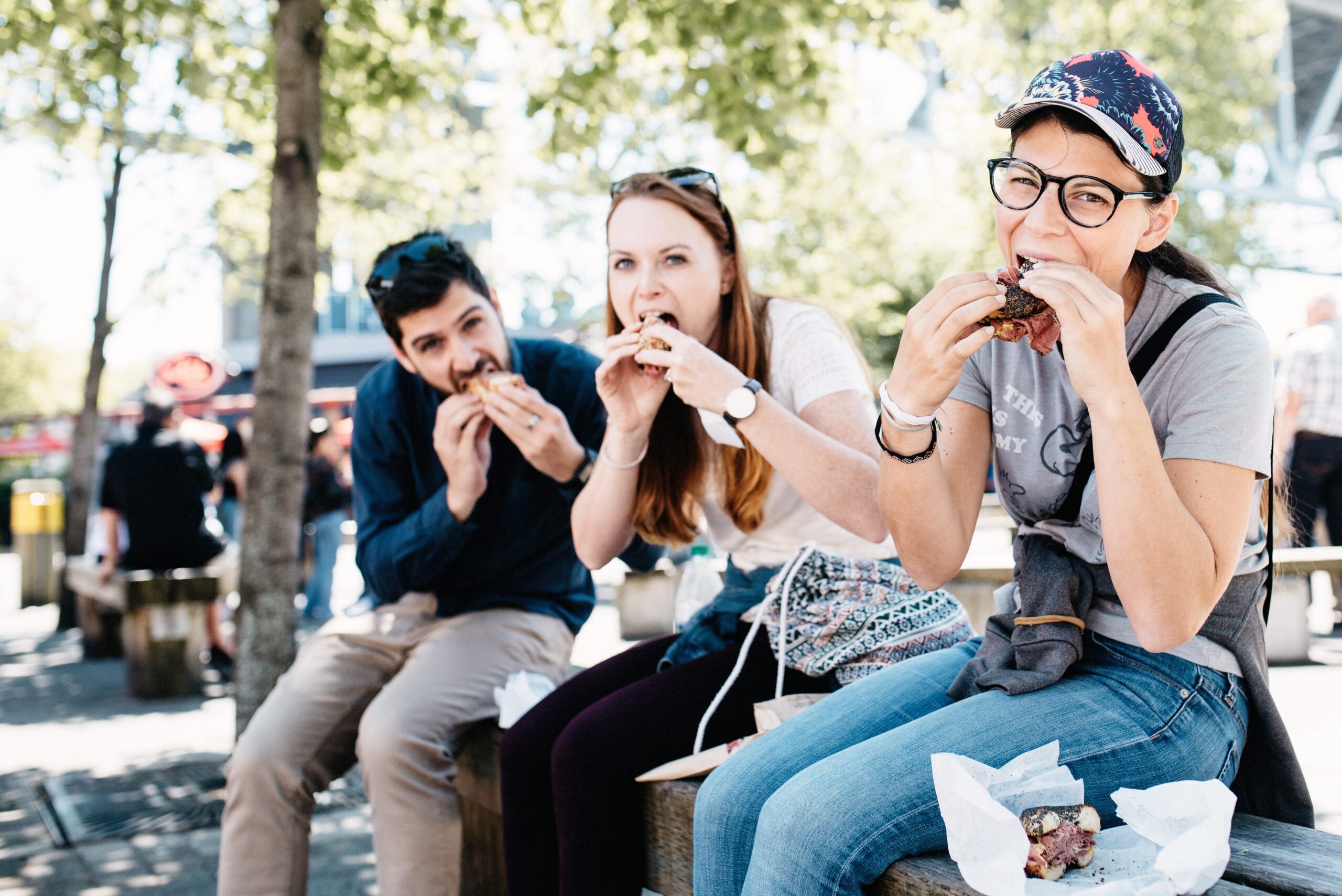
Granville Island was the food stop we had been waiting for. The public market was full of produce, prepared dishes, bakeries and small counters where deciding on only one thing became unnecessarily difficult.
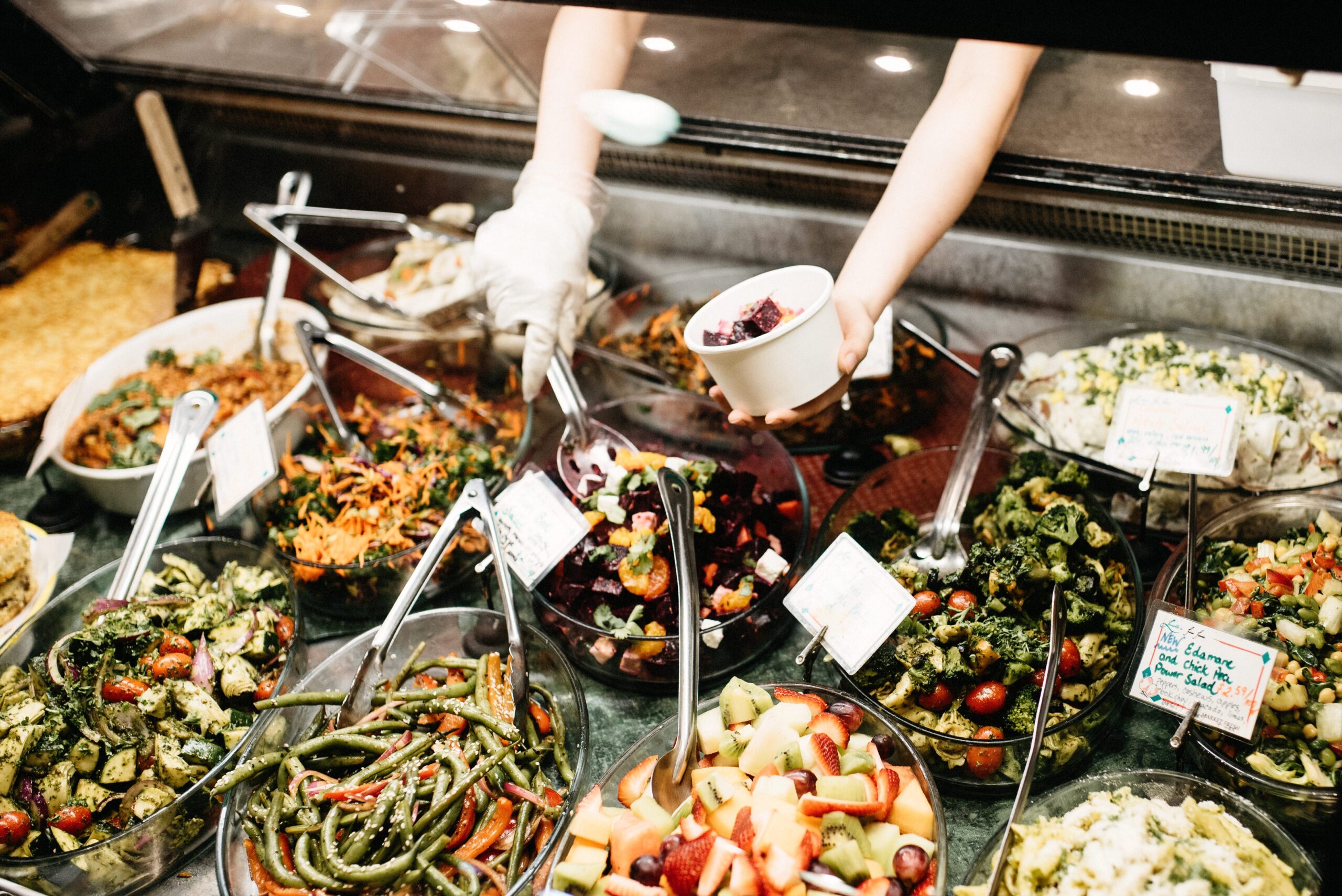

We took our food outside and treated lunch as part of the sightseeing. One of our stops was Go Fish near the waterfront. It was casual, busy and exactly the kind of place we preferred to an expensive restaurant in the city centre.
The difficult part was not finding something good but stopping ourselves from ordering at every counter. We shared, tasted and returned for another look through the market instead of pretending this was merely a quick lunch break.
Cycling around Stanley Park
Stanley Park was Vancouver’s green heart, with forest, beaches, the aquarium and a seawall circling the edge. A bicycle was the easiest way to see it. Walking the full route would have taken much longer, while cycling allowed us to stop wherever the skyline or coast looked particularly good.
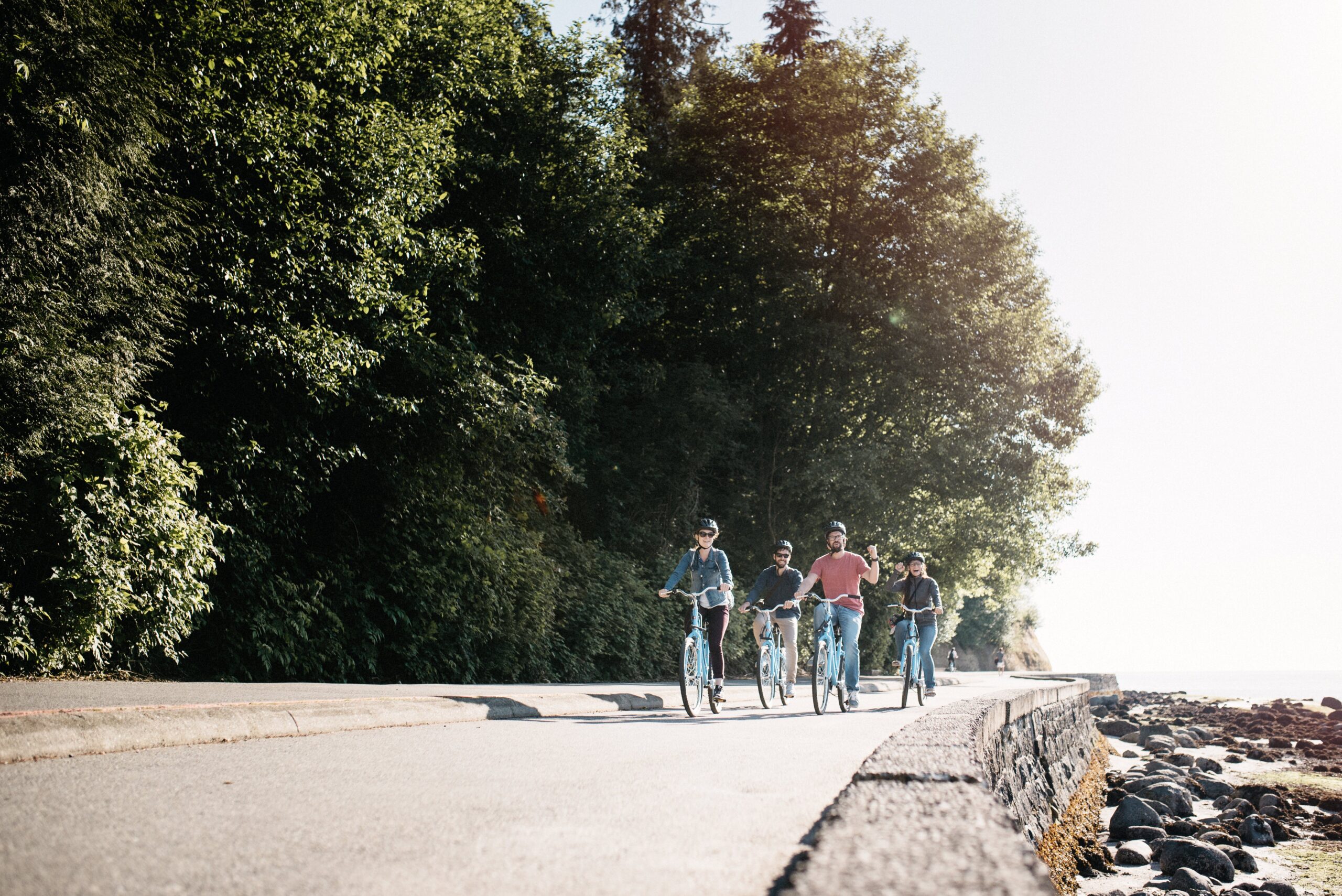
We rented bikes close to the park. Helmets were included and also required, and the route around the seawall took us past beaches, trees and repeated views back towards downtown. It felt less like a city tour and more like a short break from the city, even though the towers remained visible across the water.
Waiting for the skyline at sunset
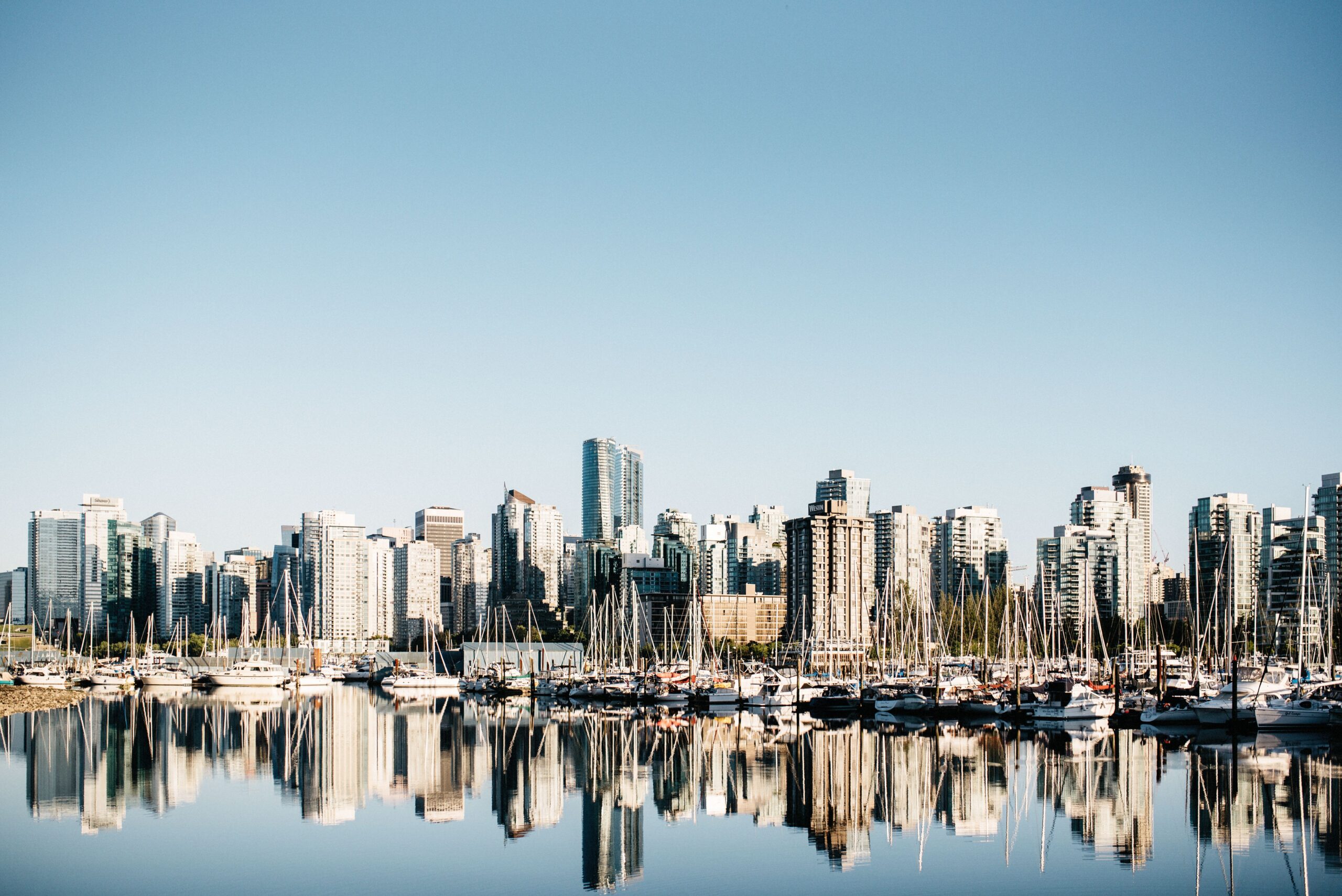
The best skyline view was not from downtown but from Stanley Park. We stayed until the light softened and the buildings began to reflect in the harbour. After three days of looking up at glass towers from the street, seeing the whole city from the water’s edge was a much better final picture.
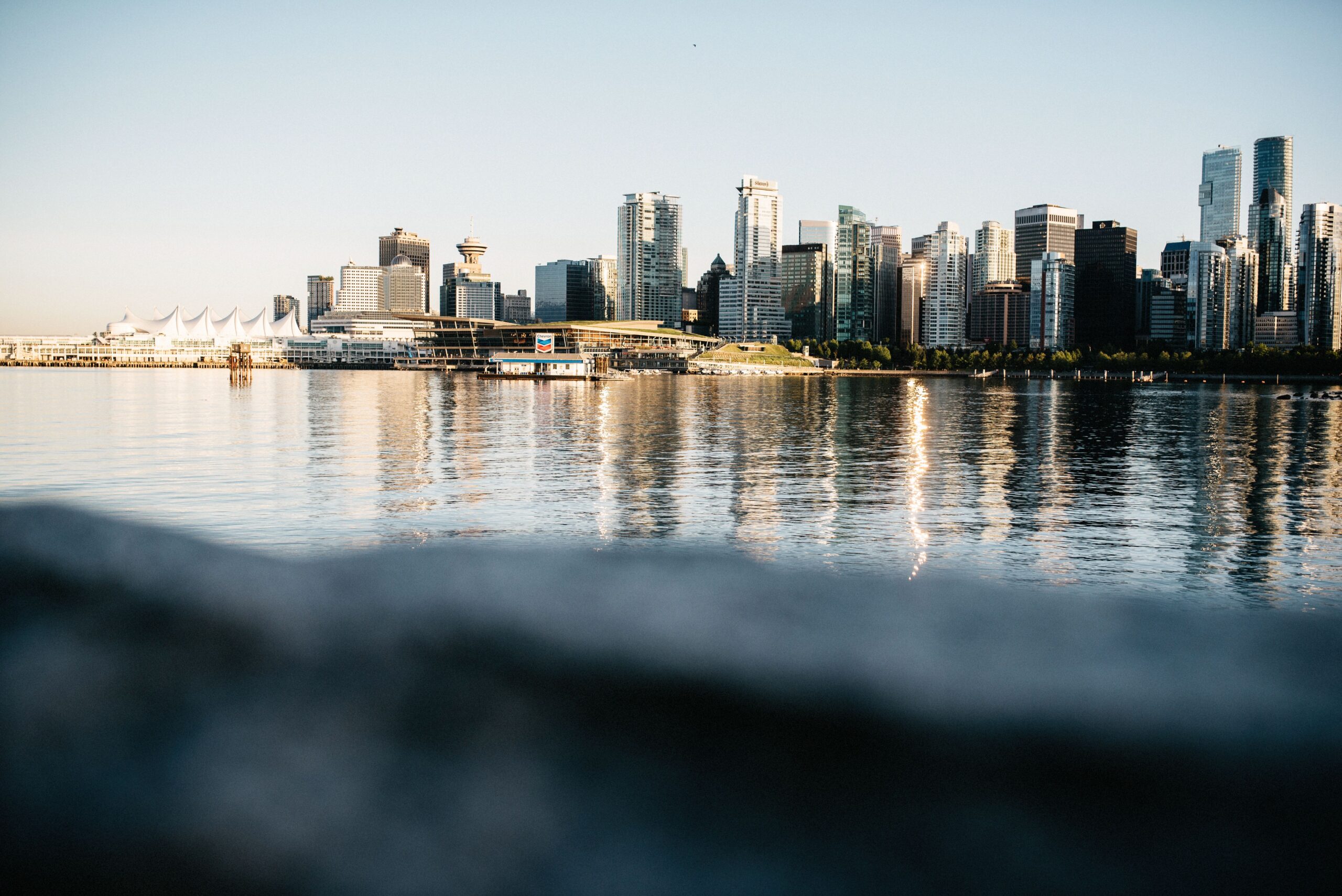
Three days in Vancouver
Three days gave us enough time for two guided walks, Granville Island and an unhurried afternoon in Stanley Park. We did not see every neighbourhood, but we understood why Vancouver regularly appeared on lists of very liveable cities: nature was not a day trip away. It was woven directly into the city.
It also gave us a gentle start in Canada. We had history and food when we wanted a city, then water, forest and mountains when we wanted to be outside again. The next stage towards Whistler only continued that movement from the sea into the mountains.