
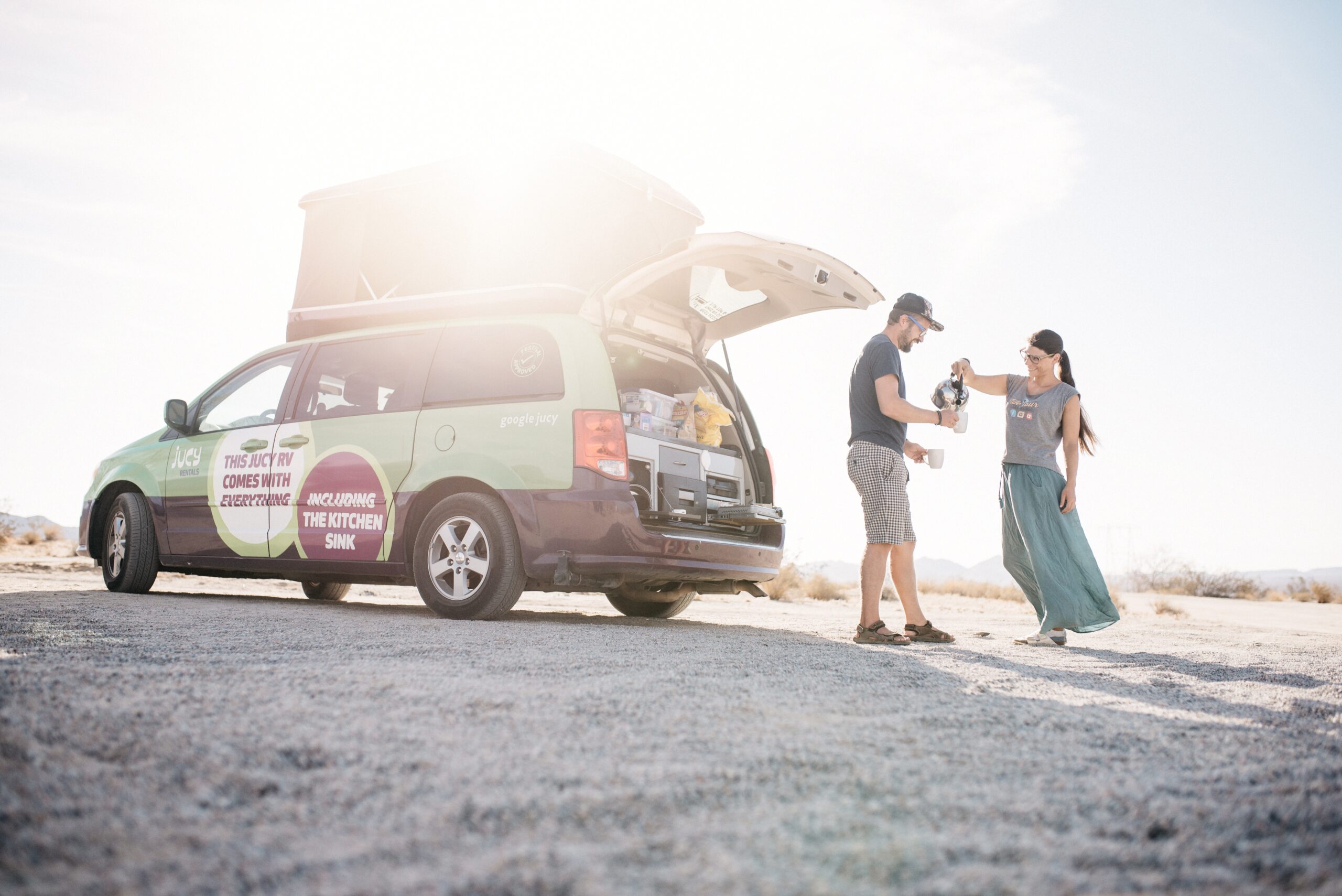
Joshua Tree National Park was our way of leaving Los Angeles behind and heading back into the desert. It can easily be covered in one day when travelling from California towards Nevada or Arizona, but the park is much more varied than a quick look at the map suggests.
It is not only defined by the thousands of Joshua trees spreading across its north-western section. There are huge rock formations, cacti and wide desert landscapes, and the scenery changes completely while driving from one end of the park to the other.
Entering Joshua Tree from the west
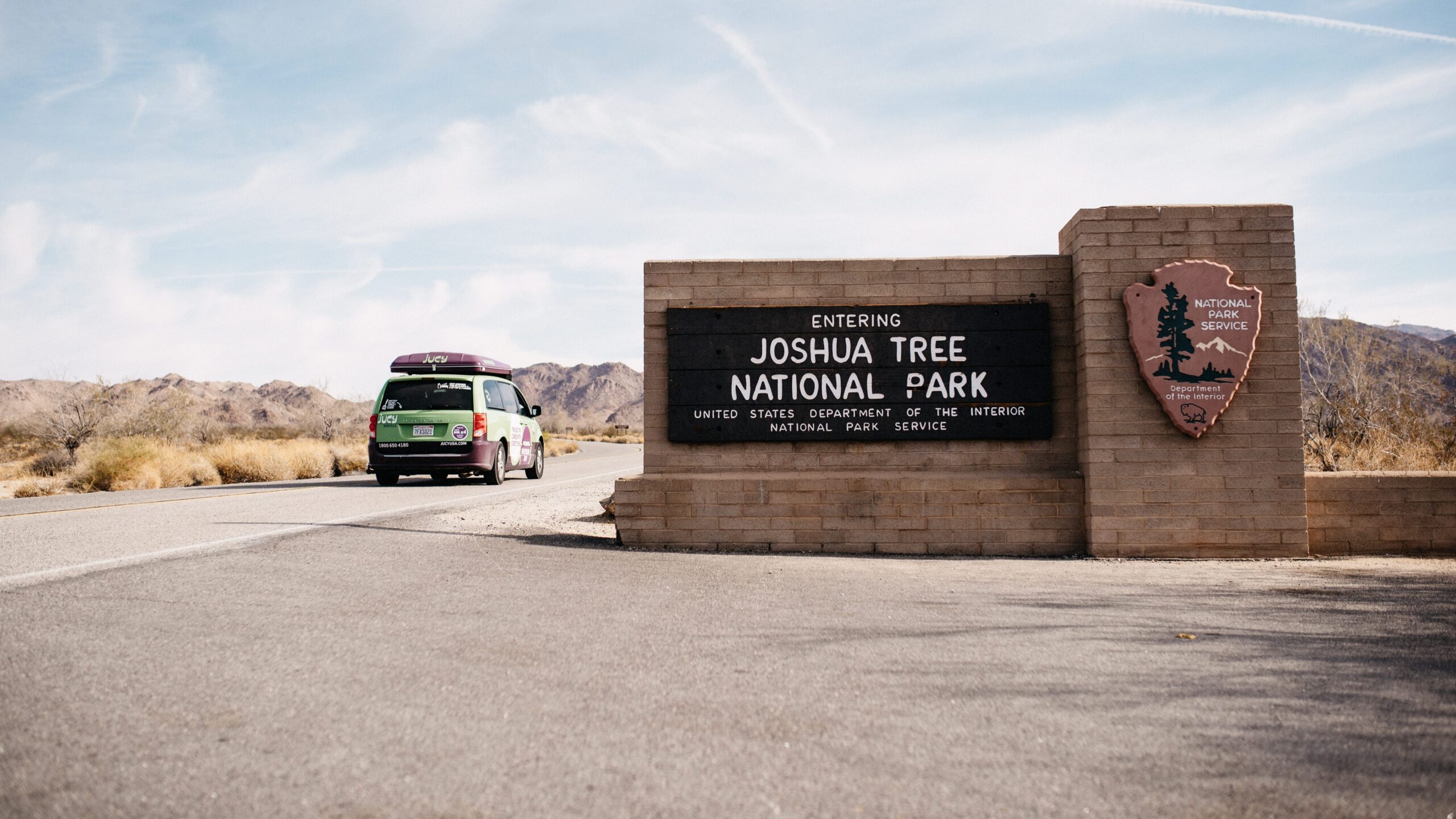
We entered through the West Entrance Station. At the visitor centre we received a detailed map with the viewpoints, walks and hikes marked on it. There is one main road through the park, running roughly from the north-western entrances down to Cottonwood in the south, so getting lost requires some real dedication.
Joshua Tree works well as a scenic drive, but there are also short walks, longer hikes and plenty of opportunities for rock climbing. We combined the drive with several stops and one easy loop walk.
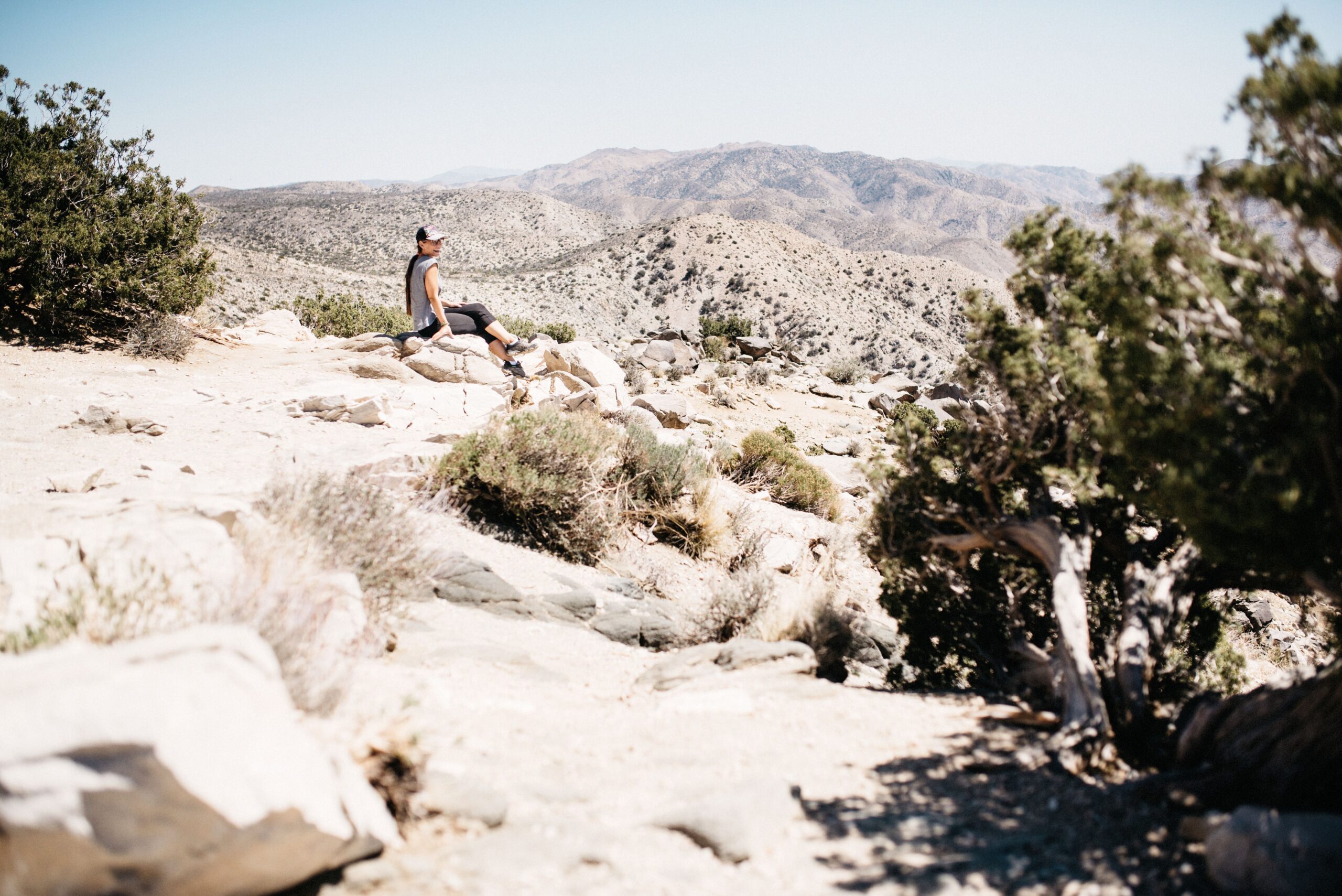
Keys View across Coachella Valley
Keys View gave us a broad view across Coachella Valley towards Palm Springs. There were plenty of rocks to sit on, so it became the perfect place for a drink, a snack and a break from the campervan.
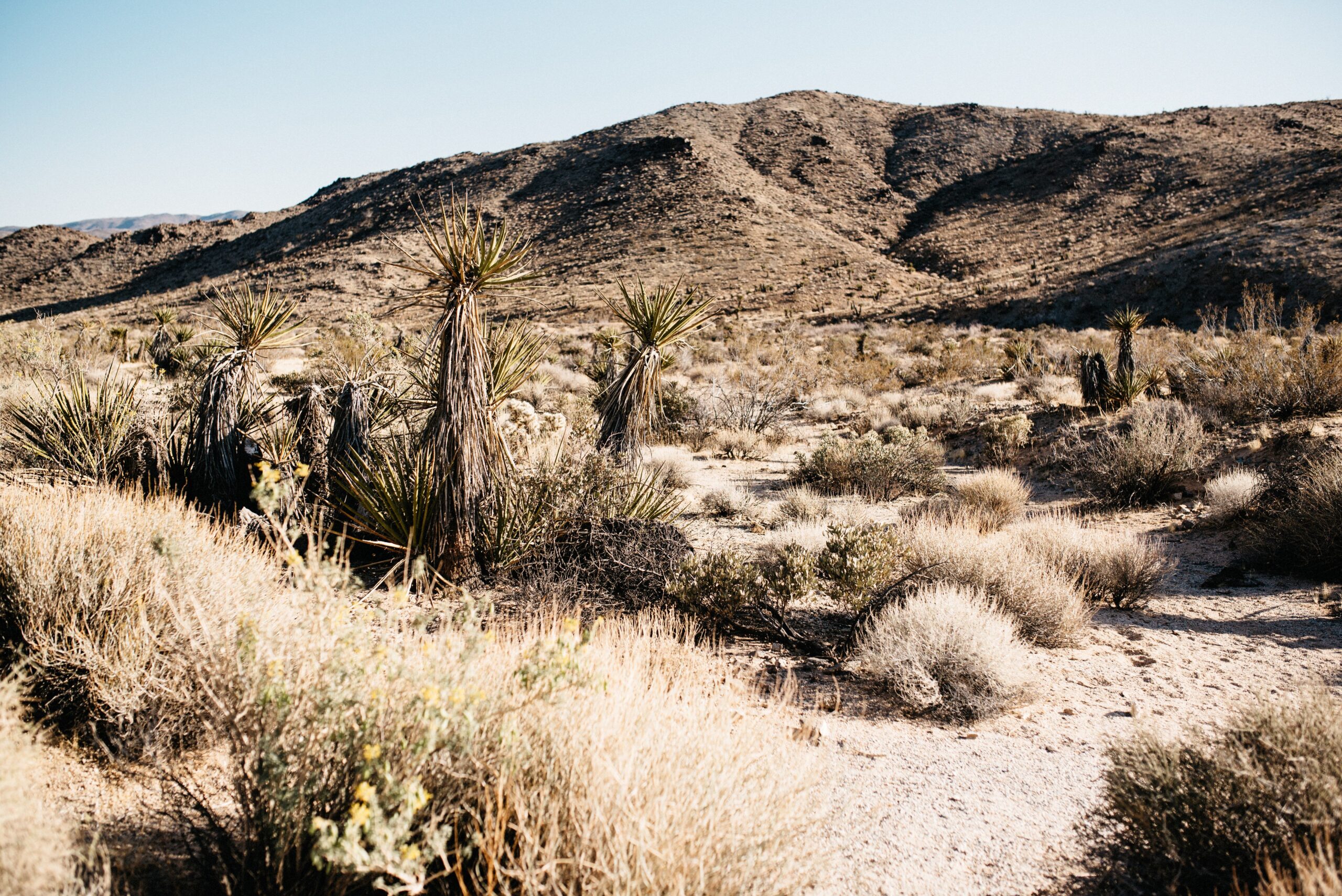
The park looked dry and empty from above, but it never felt monotonous. Every few kilometres the balance between rock, sand, cacti and Joshua trees changed again.
Skull Rock and the giant boulders
Skull Rock looks exactly like its name suggests. More importantly for us, the entire area around it is full of huge rounded rocks and narrow spaces that make you want to climb around and see what is hiding behind the next formation.
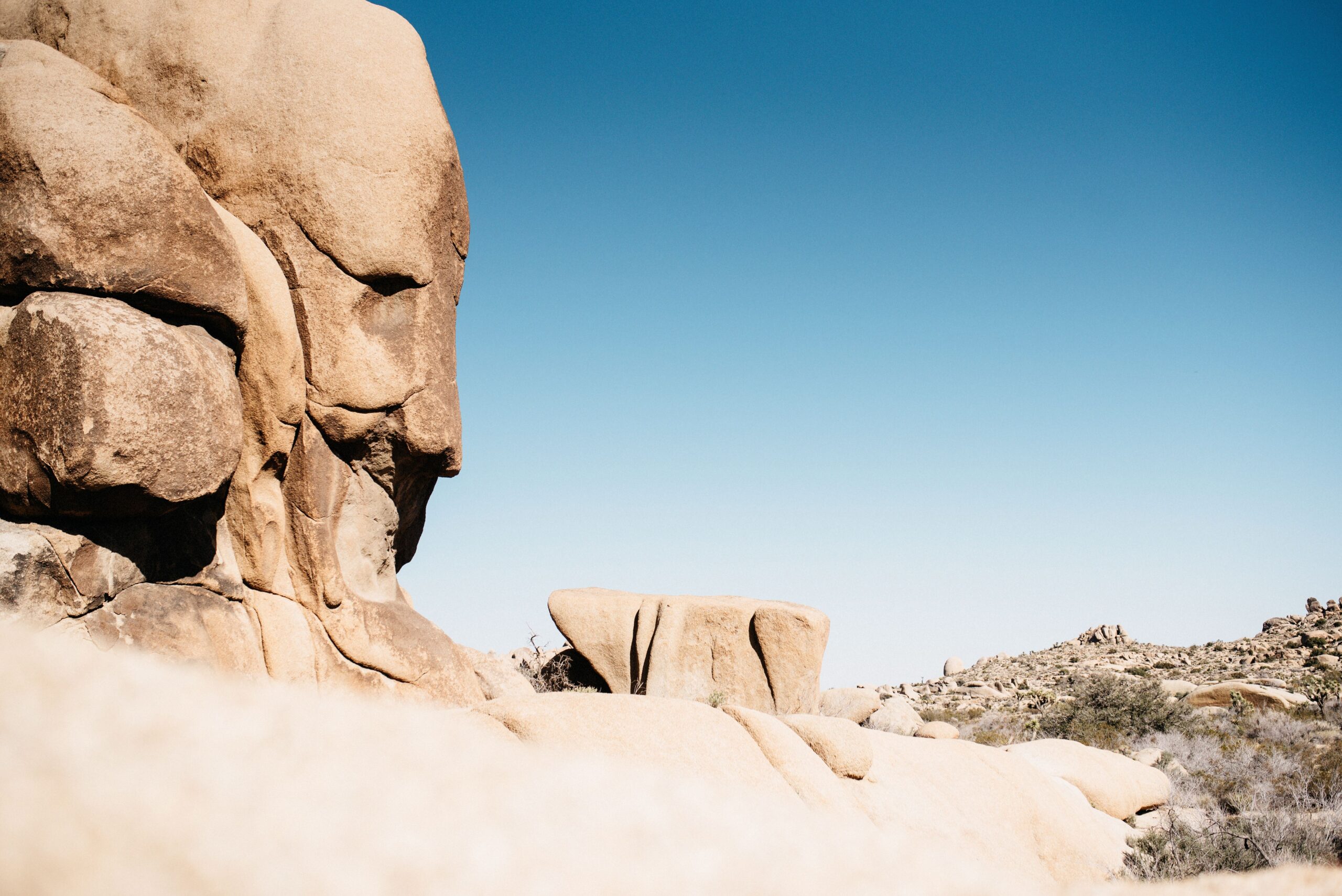
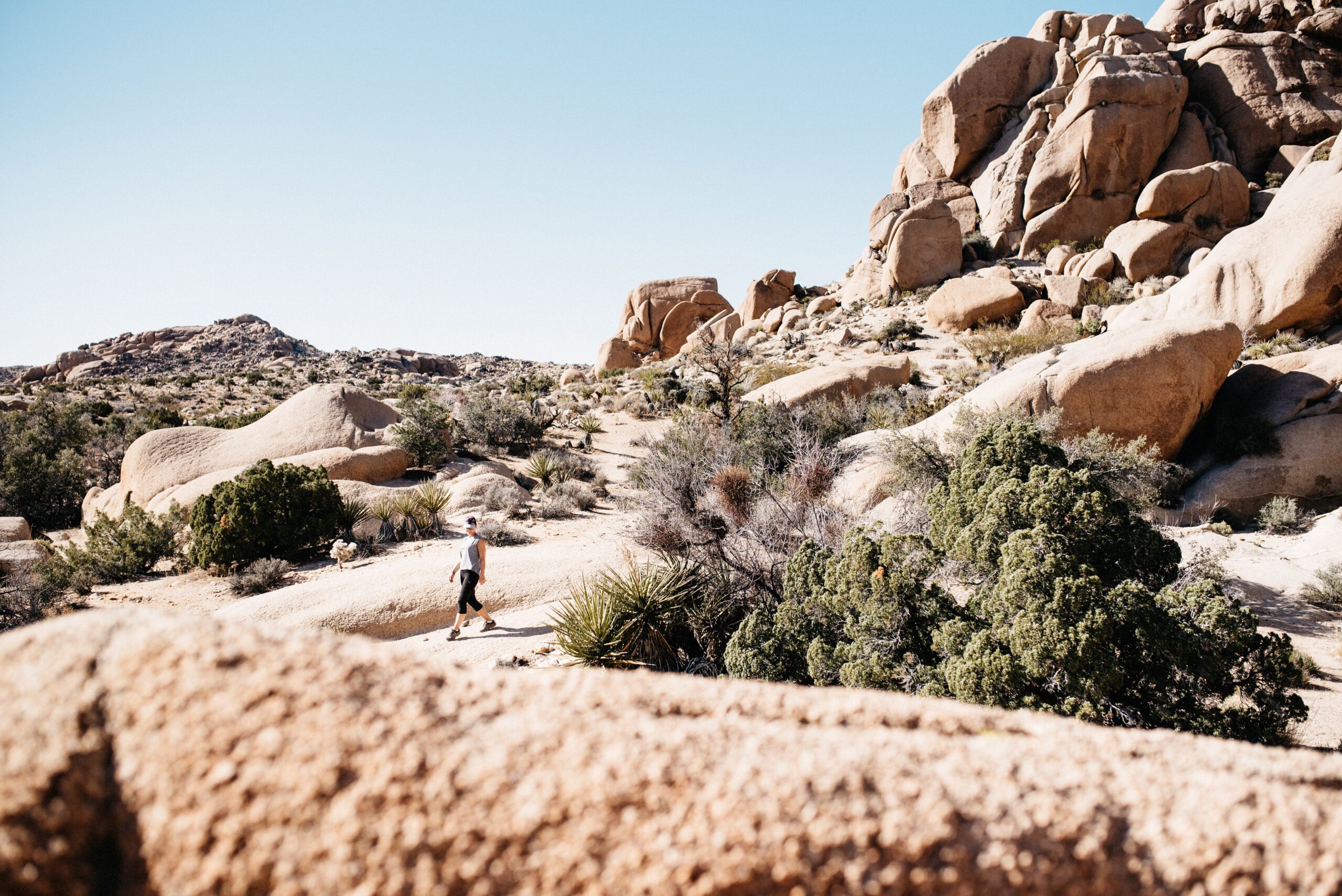
It was one of those stops where the marked attraction took about a minute to photograph, while the rocks around it kept us busy for much longer.
Walking the Split Rock Loop
The Split Rock Loop was our longer walk through the desert. It led between Joshua trees, cacti and two formations called Split Rock and Face Rock. Face Rock really does look like a face, although spotting these shapes always depends slightly on how much imagination you bring with you.
The walk was easy enough to fit into our one-day route and gave us a chance to leave the road behind. Even on a short hike, water, sunscreen and a hat are essential. There is little shade, and the dry heat catches up with you quickly.
Cholla Cactus Garden at sunset
The Cholla Cactus Garden was our favourite sunset stop. Thousands of cacti stand close together across the desert floor and catch the warm light as the sun goes down. The sky turned pink and purple and suddenly the rather hostile-looking plants became extremely photogenic.
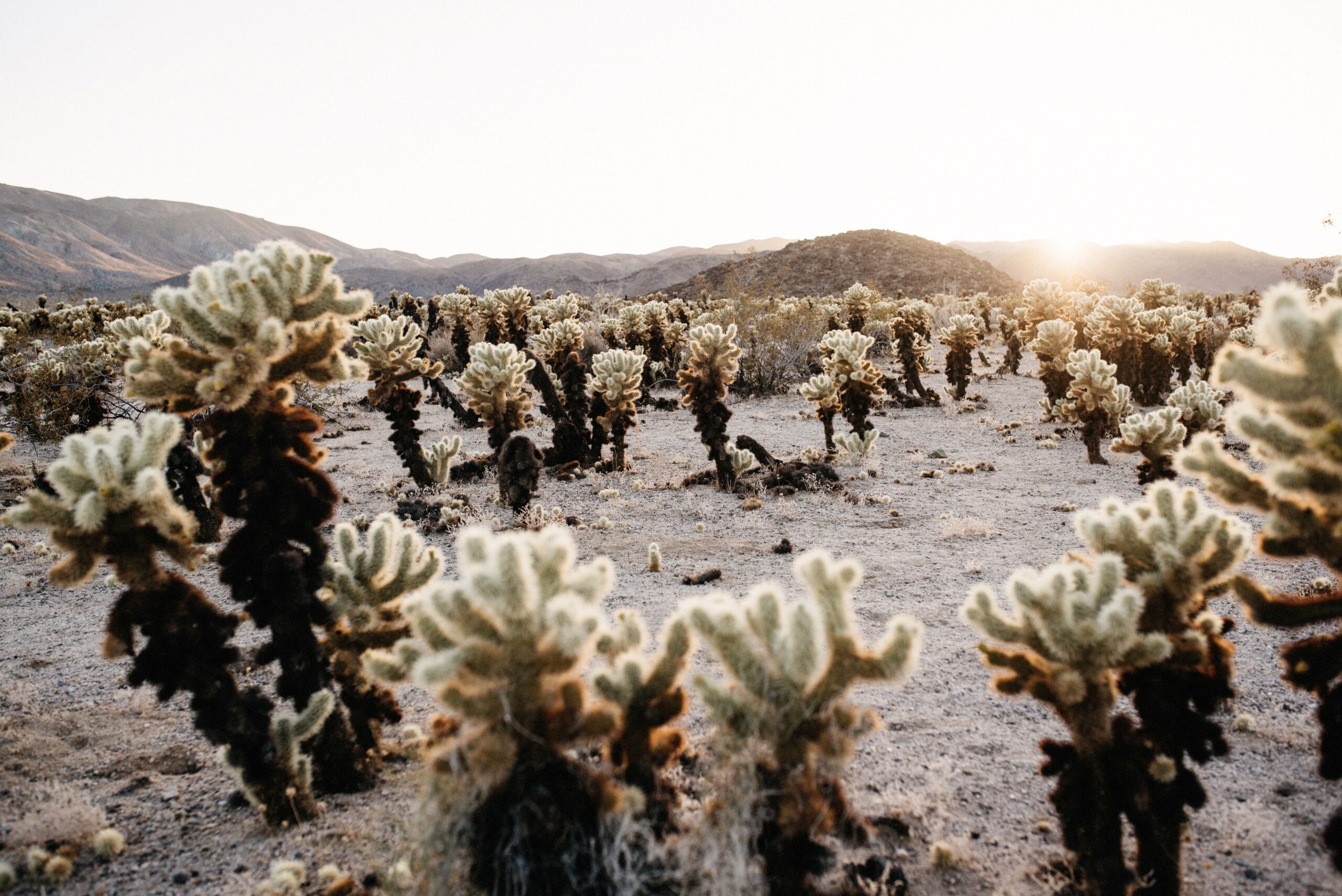
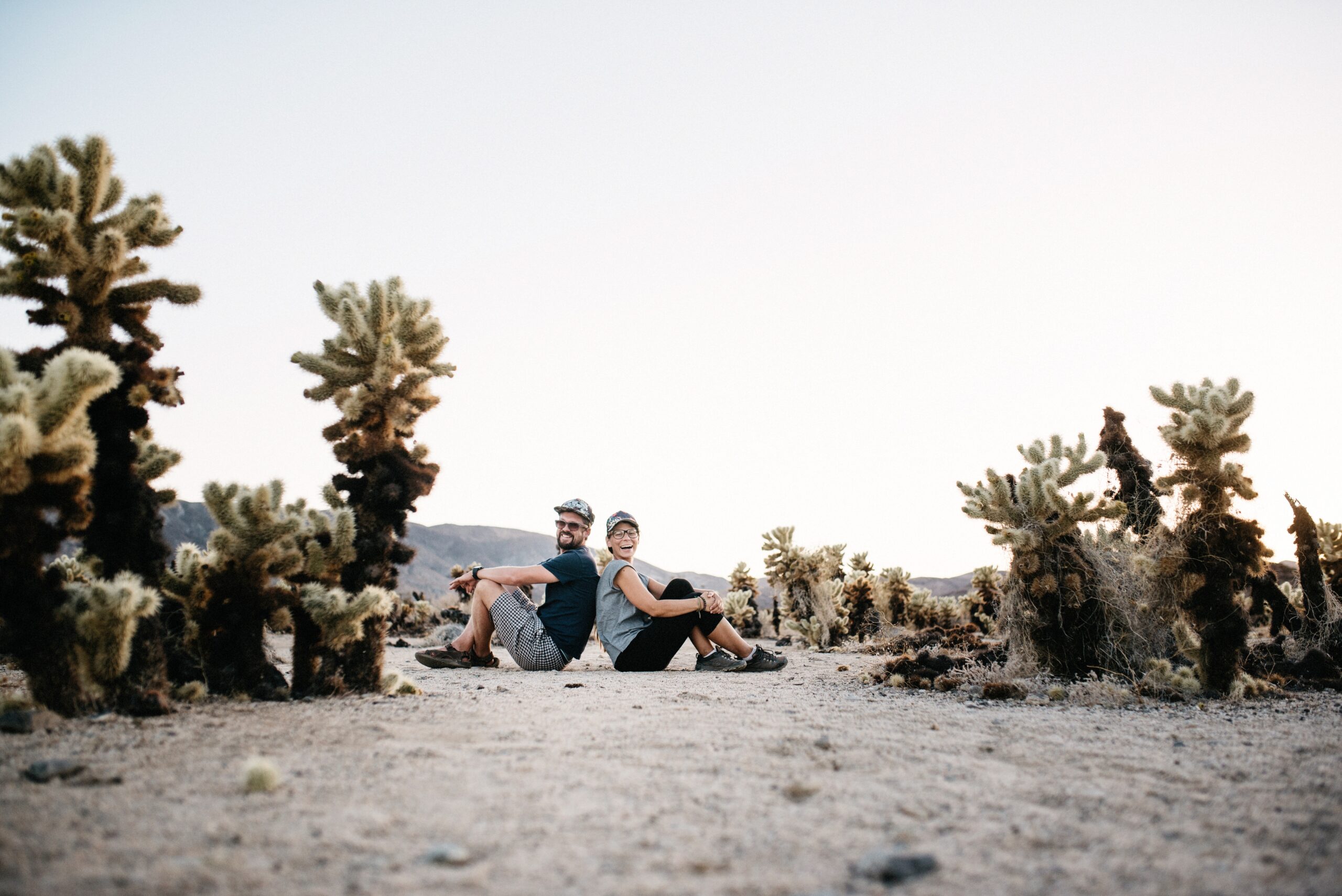
They are best enjoyed with a little distance. Cholla segments detach very easily, and getting one stuck to a shoe or leg would be a fairly painful souvenir.
Camping outside Joshua Tree
The park had reservable campsites as well as first-come, first-served options. We chose dispersed camping on Bureau of Land Management land outside the southern entrance. It was free, simple and exactly what we needed for one night before continuing east.
If you want to stay inside the park, booking early is the safe option. For first-come, first-served sites, arrive early in the day rather than hoping for a free space after sunset.
We cover Valley of Fire and Las Vegas in a separate report.
What we learned during our one-day visit
- Take photographs of the Joshua trees in the northern part of the park. The landscape becomes much more cactus-heavy towards Cottonwood.
- Bring more water than you think you will need.
- Stay on the paths and watch where you put your hands and feet. This is rattlesnake country.
- Leave enough time for the rocks around Skull Rock instead of treating it as a quick roadside photograph.
- BLM camping is a useful alternative when the park campsites are full or too expensive.