

After our trek from Kalaw to Inle Lake, we spent two days in Nyaung Shwe. It is the main base for exploring the lake, packed with tour operators, ticket offices, restaurants, hotels, mini-markets and almost everything else a traveller might need.
Nyaung Shwe was not Myanmar’s prettiest place and it was very touristy. Chinese tourists seemed to photograph everything at hundreds of pictures per second, including us on the boat, although we eventually realised they were interested in the traditional teak boat rather than in us. Still, the town was easily the most practical place to stay. Hotels directly on the lake looked amazing but cost far more than those on land.
How we arrived in Nyaung Shwe
Buses ran to Nyaung Shwe from Kalaw, Mandalay, Bagan and Yangon. Tickets were available online or through most hotels. The train from Kalaw offered more scenery but needed about three hours for only 60 kilometres, or 37 miles.
We arrived in the most memorable way: on foot and then by boat. Our trek ended at the southern side of the lake, where a 1.5-hour transfer took us through the canals to Nyaung Shwe.

Inle Lake at a glance
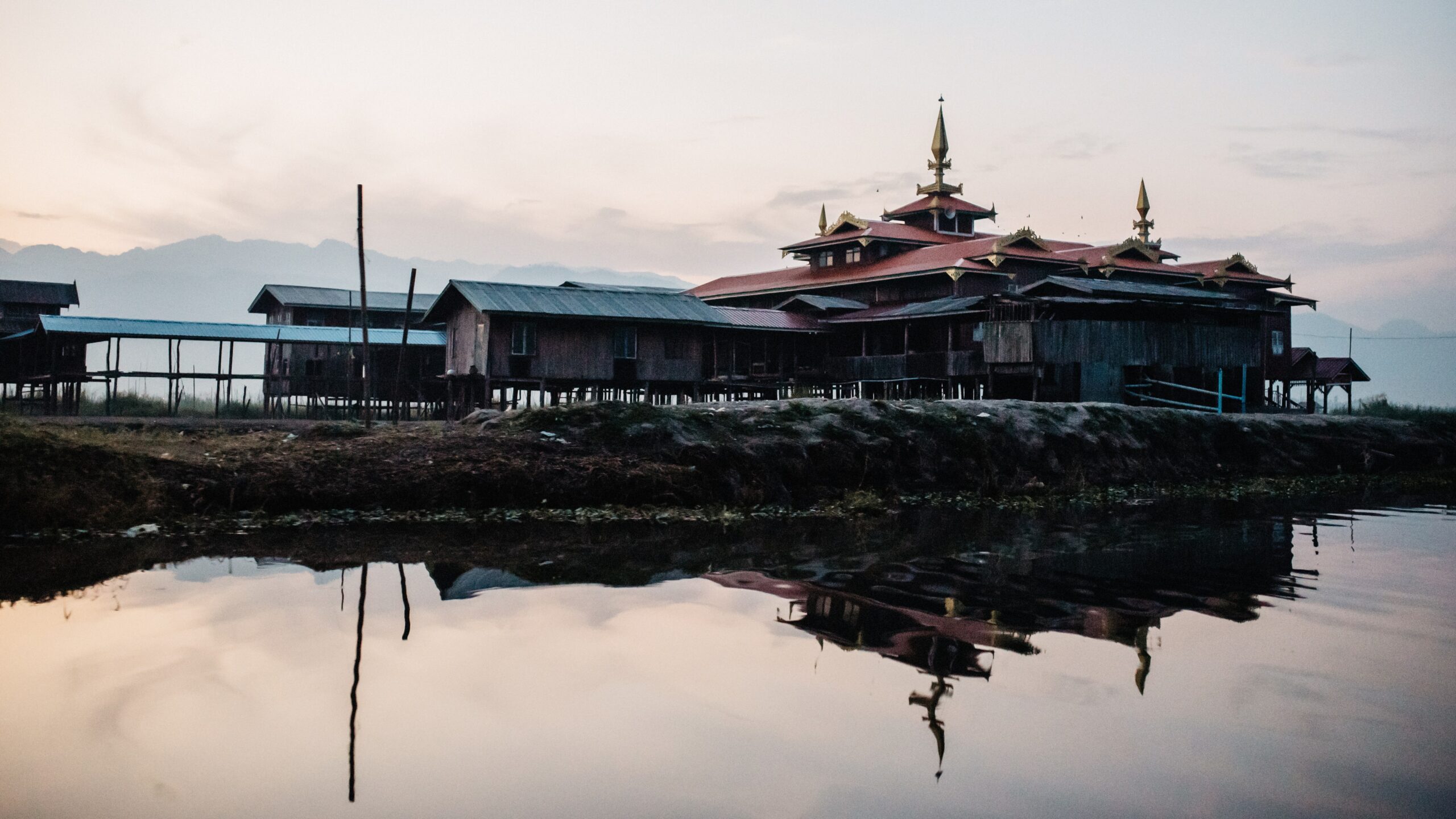
Inle Lake lies between mountains and stretches for more than 20 kilometres, or 12.4 miles. It is only about two to three metres, or 6.5 to 10 feet, deep. A web of canals connects villages, gardens and monasteries, with hundreds of longboats moving through them like traffic on a highway.
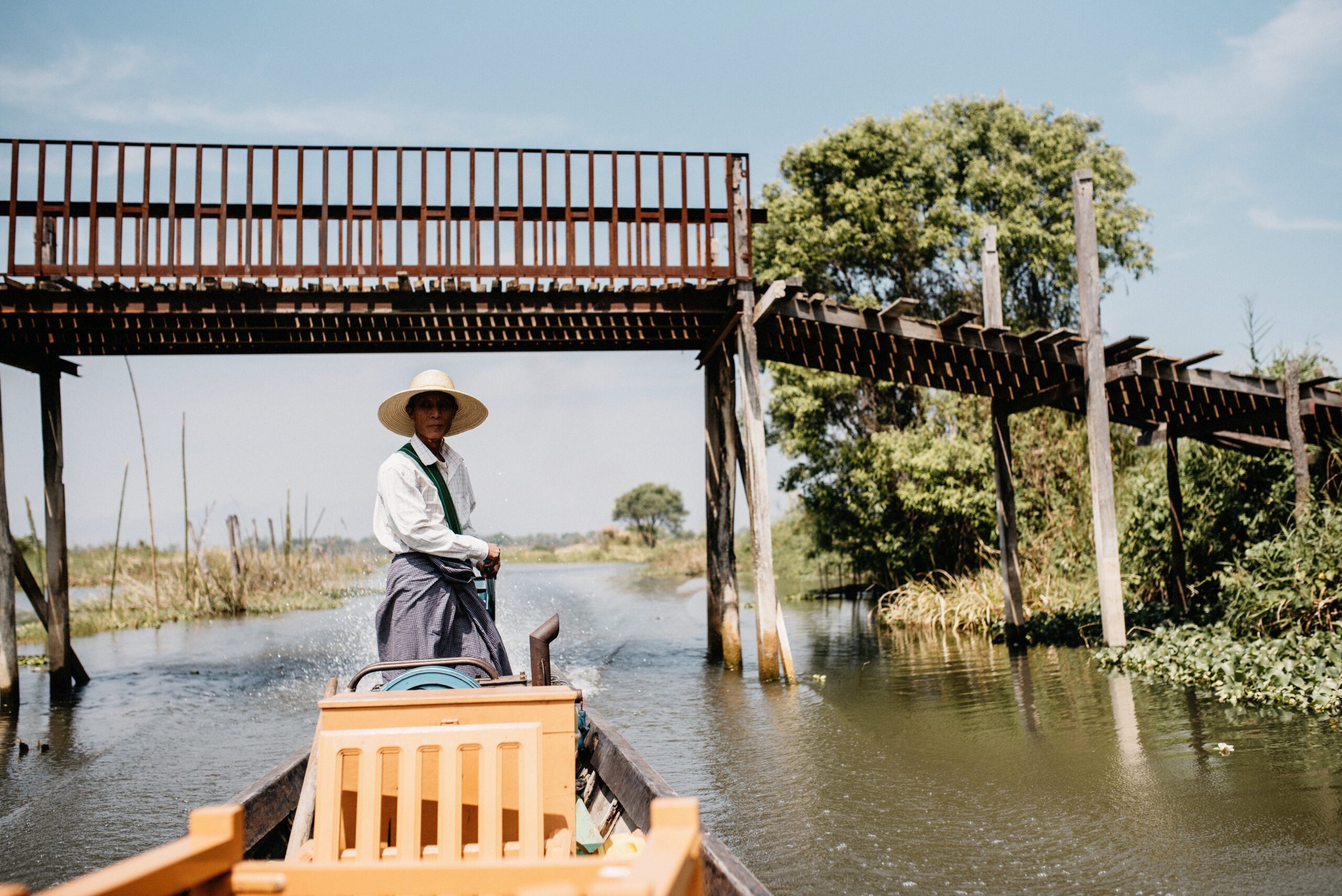
The lake is famous for its floating villages and gardens. The scenery reminded us a little of Lake Titicaca, although the atmosphere and constant boat traffic were distinctly Myanmar.
Tour or private boat?
We compared an organised tour with hiring a boat and setting our own schedule. Of course, we chose the second option.
The organised tours felt overpriced and tailored to the average Chinese tour group. The cheapest private day tour we found for the usual itinerary, including Indein, Nga Phe Kyaung Monastery, cigar and teak-boat workshops, a silversmith, lotus weaving and a local market, was USD 55 per person. A guide was not enough of a selling point for us to spend that much.
Why we hired our own boat
Hiring a private boat let us plan around sunrise and the best light instead of the standard tour schedule. Most organised trips started too late for the atmosphere we wanted to photograph on the lake.
Our hotel arranged a traditional teak boat with a driver for 25,000 kyat, about EUR 20, for the whole day and for both of us. We started at 5:30 AM so we could reach the fishermen during golden hour and arrive at Indein shortly after sunrise.
5:30 AM: the cold start
Our driver met us at 5:40 AM. We had ordered the boat for 5:30, but punctuality was apparently not a Burmese strength, or perhaps this counted as punctual in his understanding.
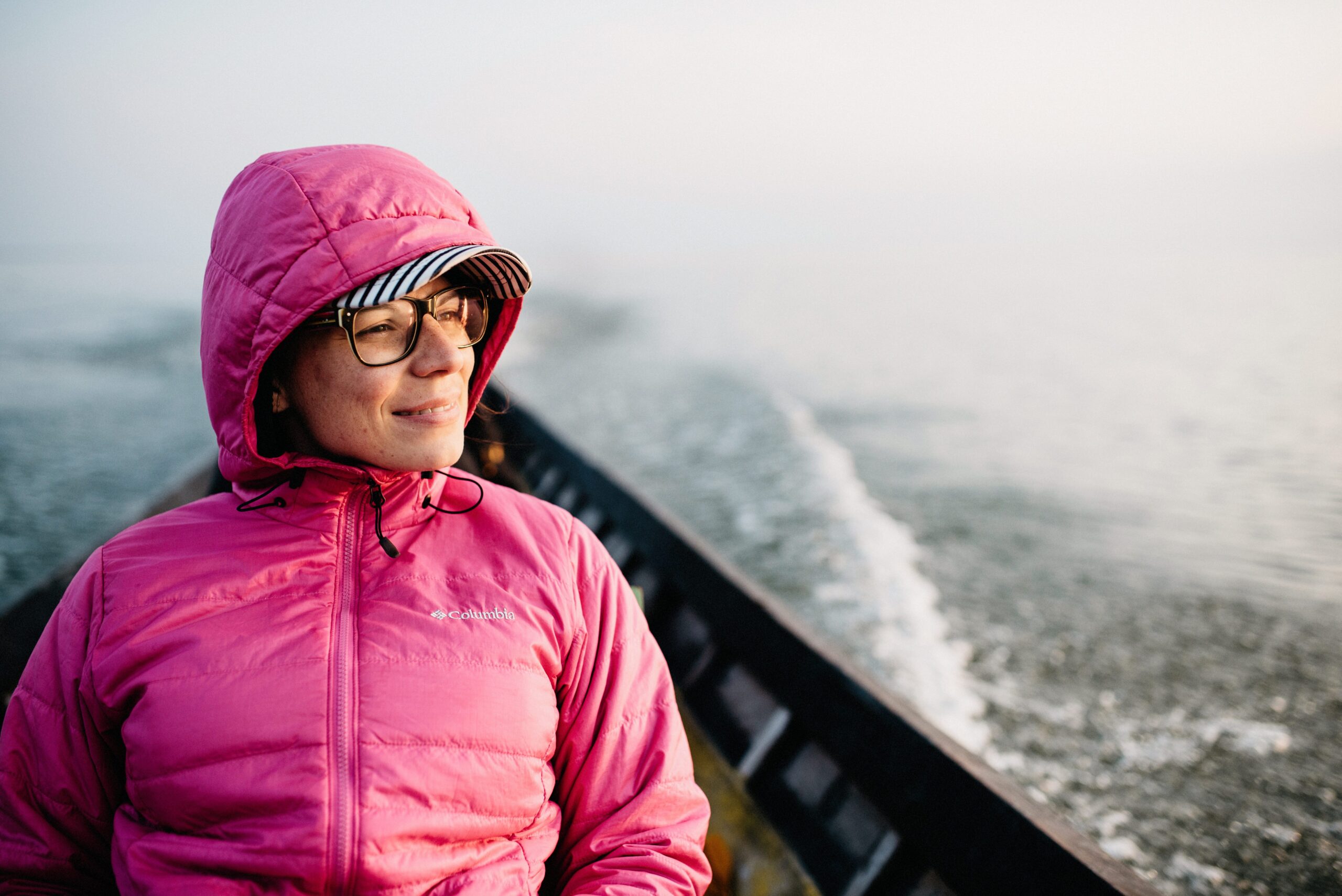
It was pitch dark and surprisingly cold. We settled into wooden chairs, wrapped ourselves in jackets and tried to compensate for the missed sleep while the boat raced through the canal.
The fishermen’s sunrise show
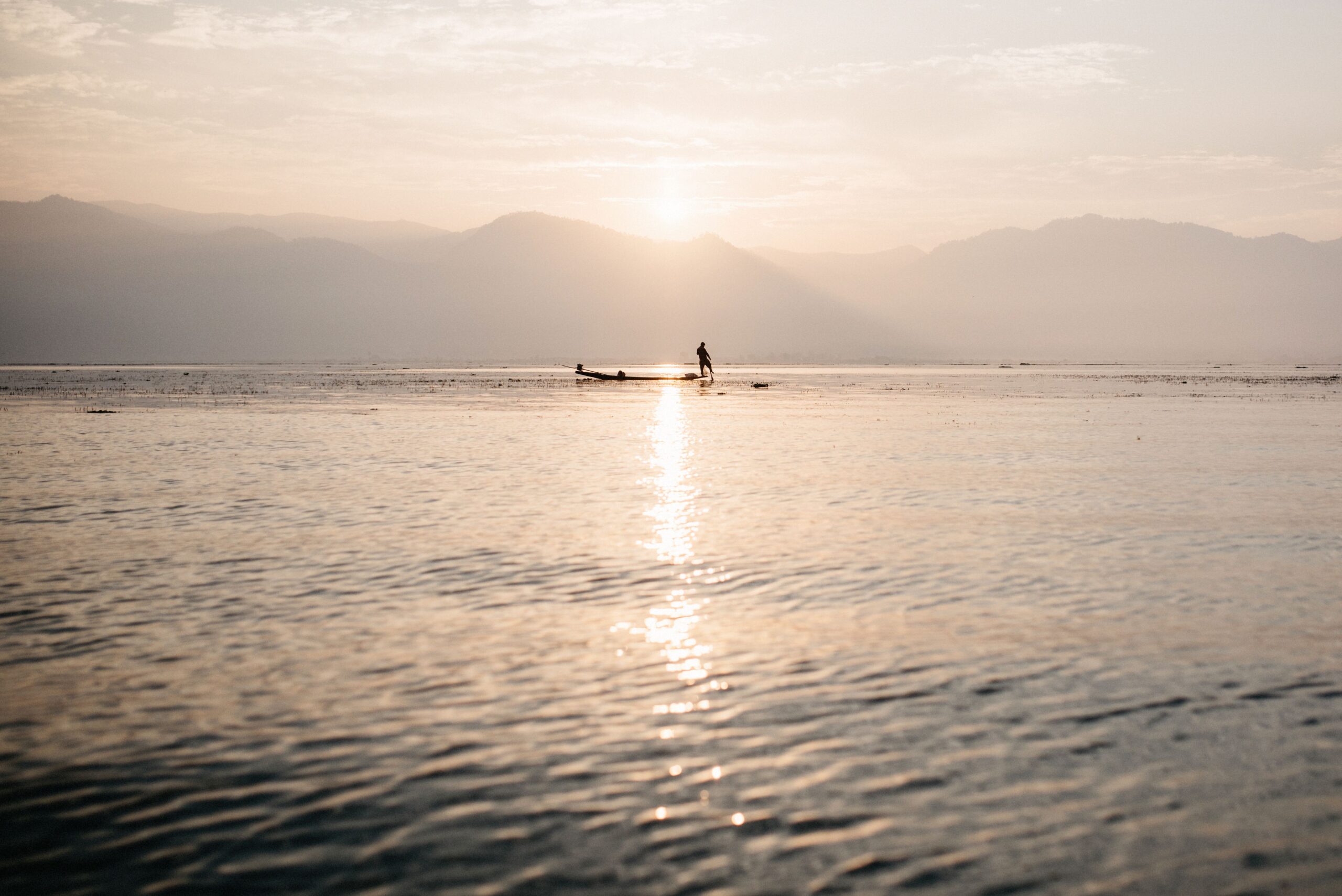
It took roughly 45 minutes to reach the fishermen. As soon as they spotted tourists, they started their show. The good news was that the photos did not look bad. The bad news was that there was no way to stop the performance.
It was a Cirque du Soleil-style display of balancing, paddles and nets. Chinese tourists may have enjoyed the artificial performance. We did not. We still took some great pictures, and naturally the fishermen accepted a dollar or a few kyat for their “great show”.
Indein and its pagoda forest
Indein is famous for pagodas. Yes, almost every place in Myanmar is famous for pagodas. You do not need to search for them; they are simply everywhere. But Indein was still different. Its hundreds of closely packed stupas really did resemble a forest made from pagodas instead of trees.
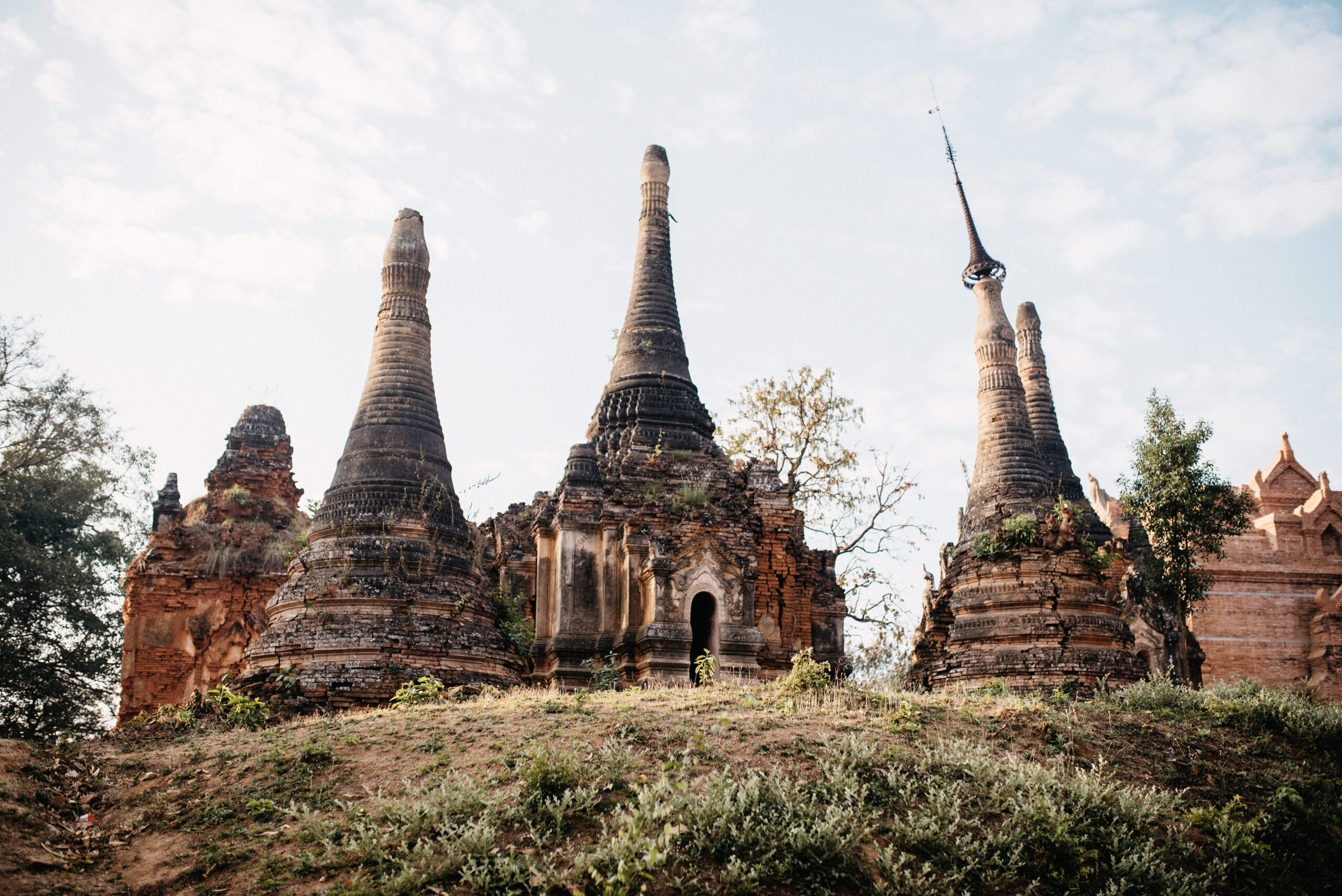
It was not quite as endless as internet photos suggested, because those images were taken from exactly the right angle. It was still worth visiting, especially in the morning when the sun lit the tips of the stupas. Arriving early also meant that the enormous line of souvenir stands had not yet opened.

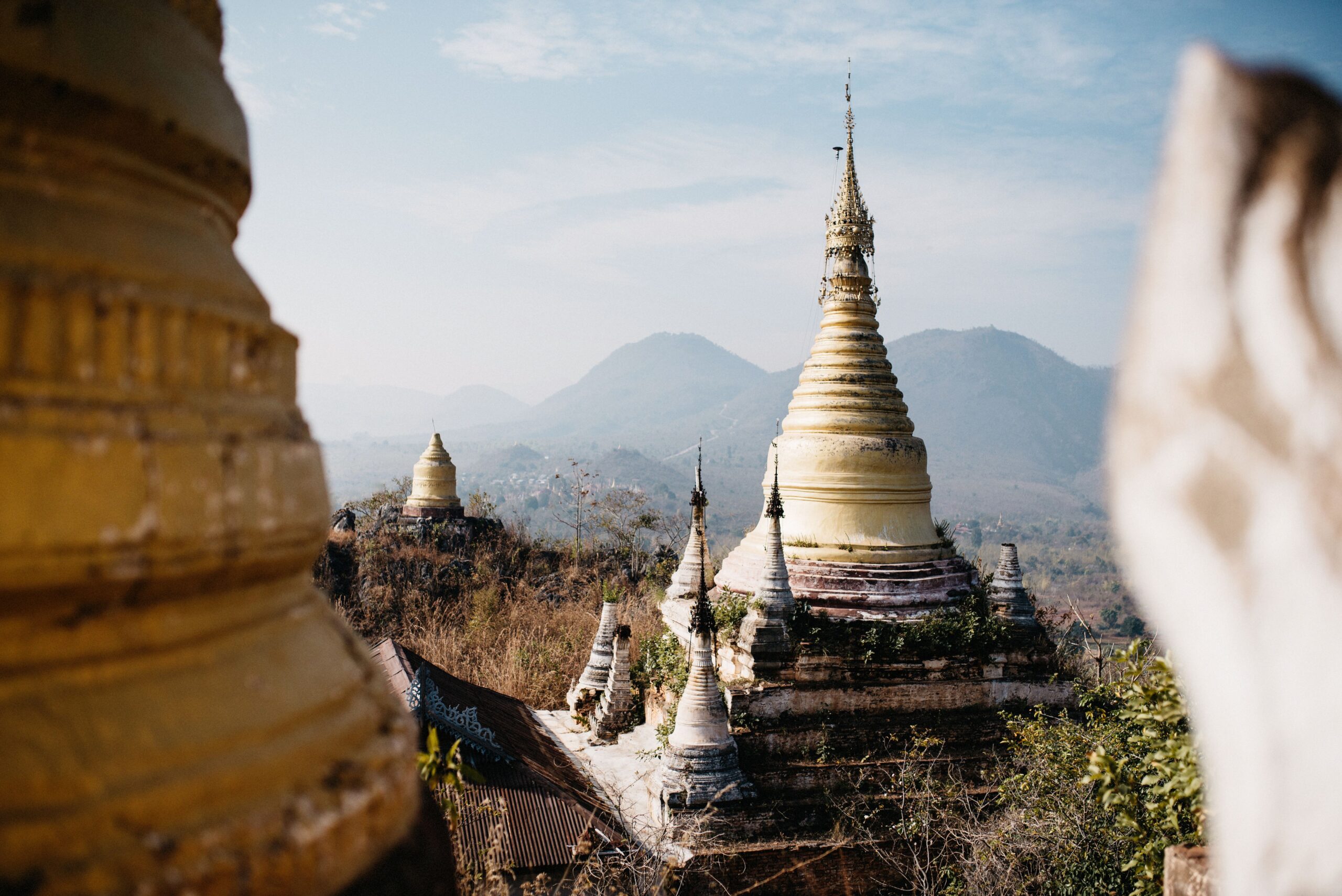
After the pagoda forest, we climbed the hill to a monastery that our offline map called an Inle Lake viewpoint. There was no glimpse of the lake from the top, so that detour was not worthwhile. The other detail missing from every beautiful photo of Indein was the large number of dogs roaming the streets and fighting over territory.
A local market beside the lake
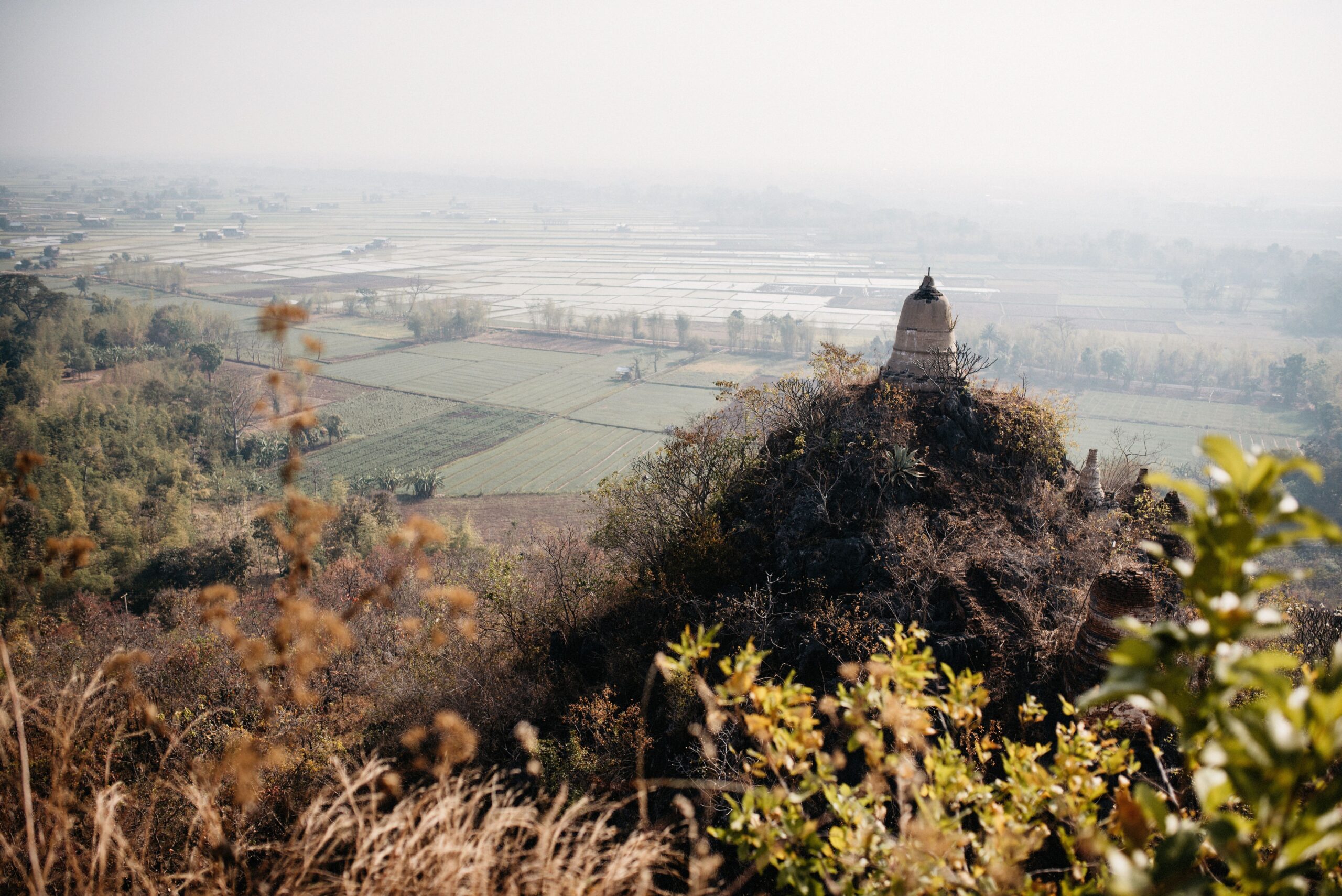
We returned through narrow canals and stopped at a local market when hunger set in. Inle Lake also had a rotating floating market, but it was held in a different place each day and not operating on our route.
We tried coconut pancakes and small salty rice pancakes with chives, both delicious. For the grand finale, we drank from whole coconuts and then had them cut open so we could eat the flesh.
Lotus weaving, teak boats and cigars
As a region becomes more touristy, locals identify every element of their culture that can be demonstrated to visitors. There is nothing wrong with that in principle. The problem begins when hundreds of tourists are moved through the same short explanation and live demonstration before the obligatory transfer into the shop. That form of mass tourism had developed a bitter aftertaste for us.
We agreed to visit the lotus-weaving mill and the combined teak-boat and cigar workshop. We persuaded our driver to leave out the silversmith and the “long-neck” women.
Lotus weaving
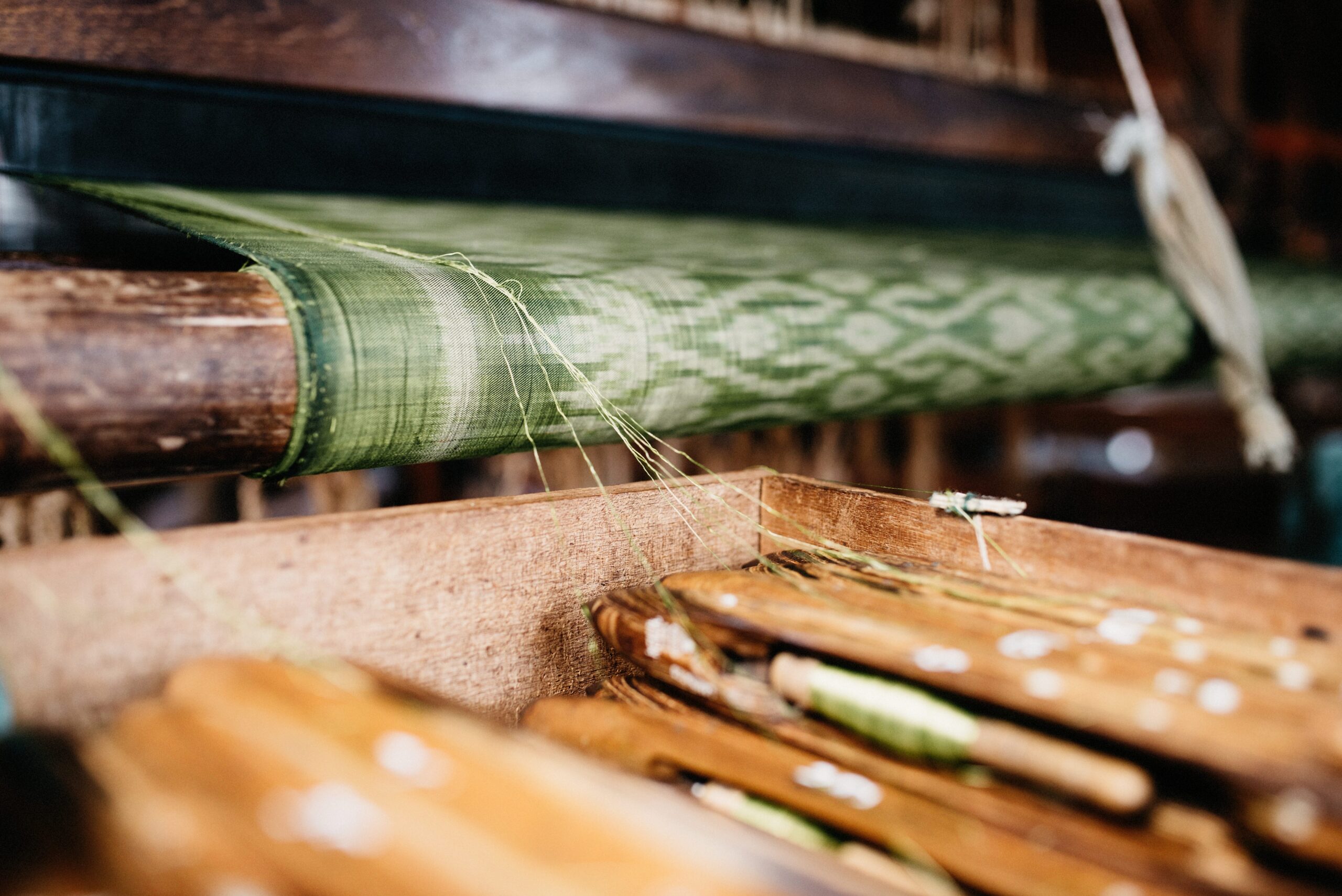
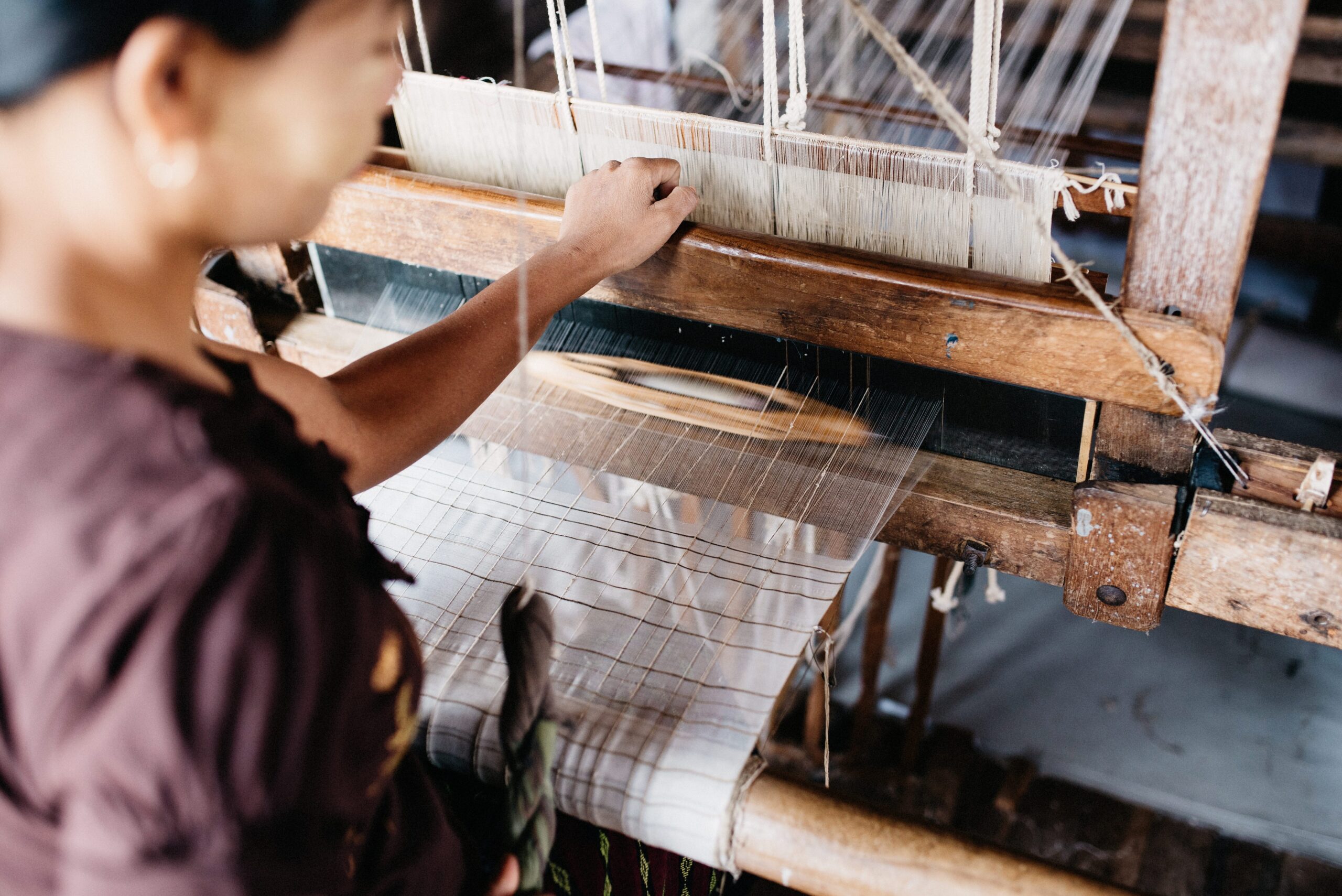
Workers pulled ultra-thin fibres from lotus stems and processed them into a yarn that felt a little like burlap. After dyeing, the yarn became shirts, blouses, skirts and scarves.
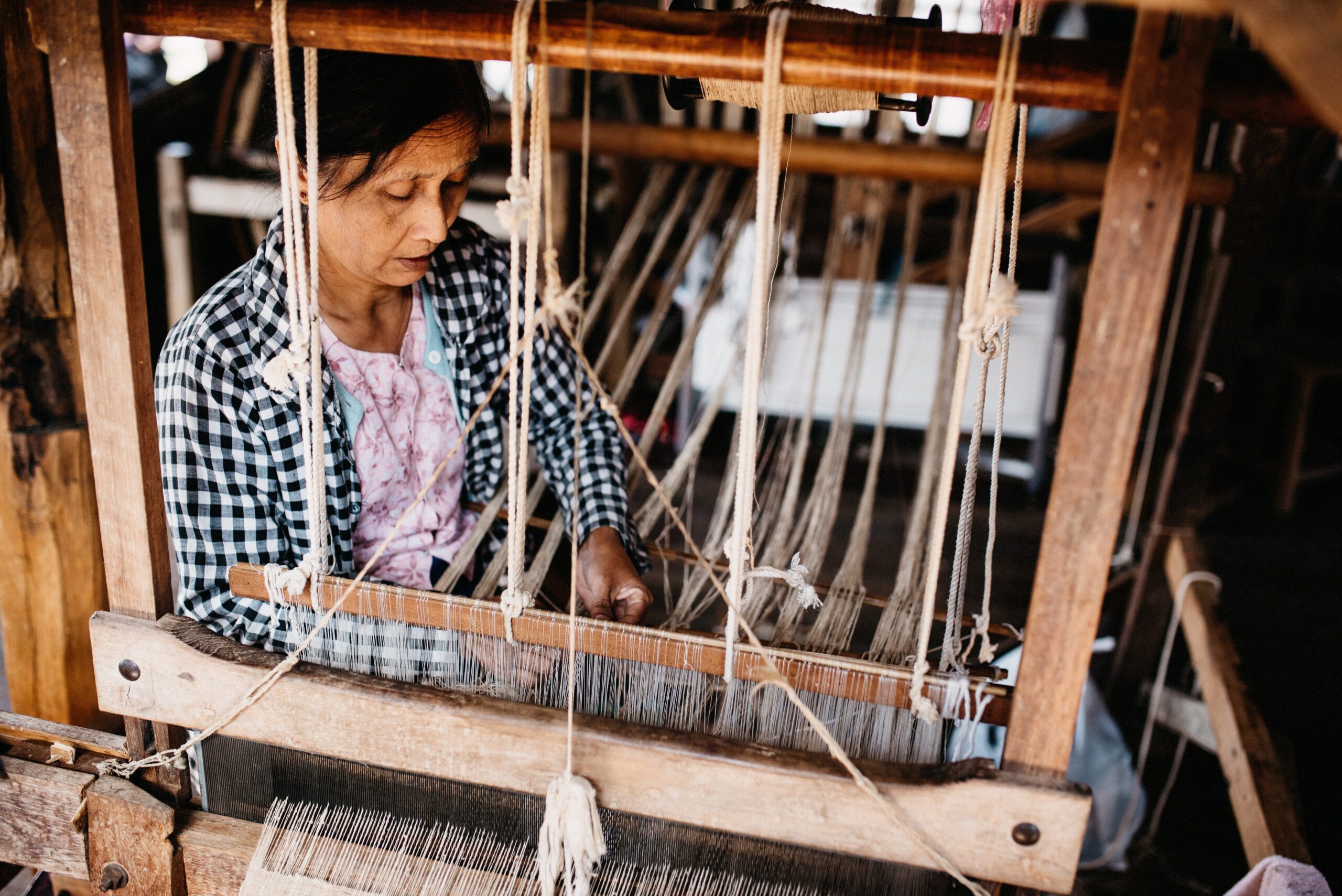
We had read concerns that harvesting lotus faster than it could regrow might damage the lake’s ecosystem. The workshop showed us a small garden said to grow lotus specifically for production, although we could not verify whether it used only that source.
Watching the entire process was fascinating, but the finished goods were extremely expensive. One scarf cost about EUR 800, or USD 1,100.
Teak boats and cigar production
At the teak-boat workshop, we mostly understood what we could see: somehow, a boat like ours was built from teak. The guide’s English was largely impossible for us to decipher, but a half-finished boat at least gave us an idea of the process.
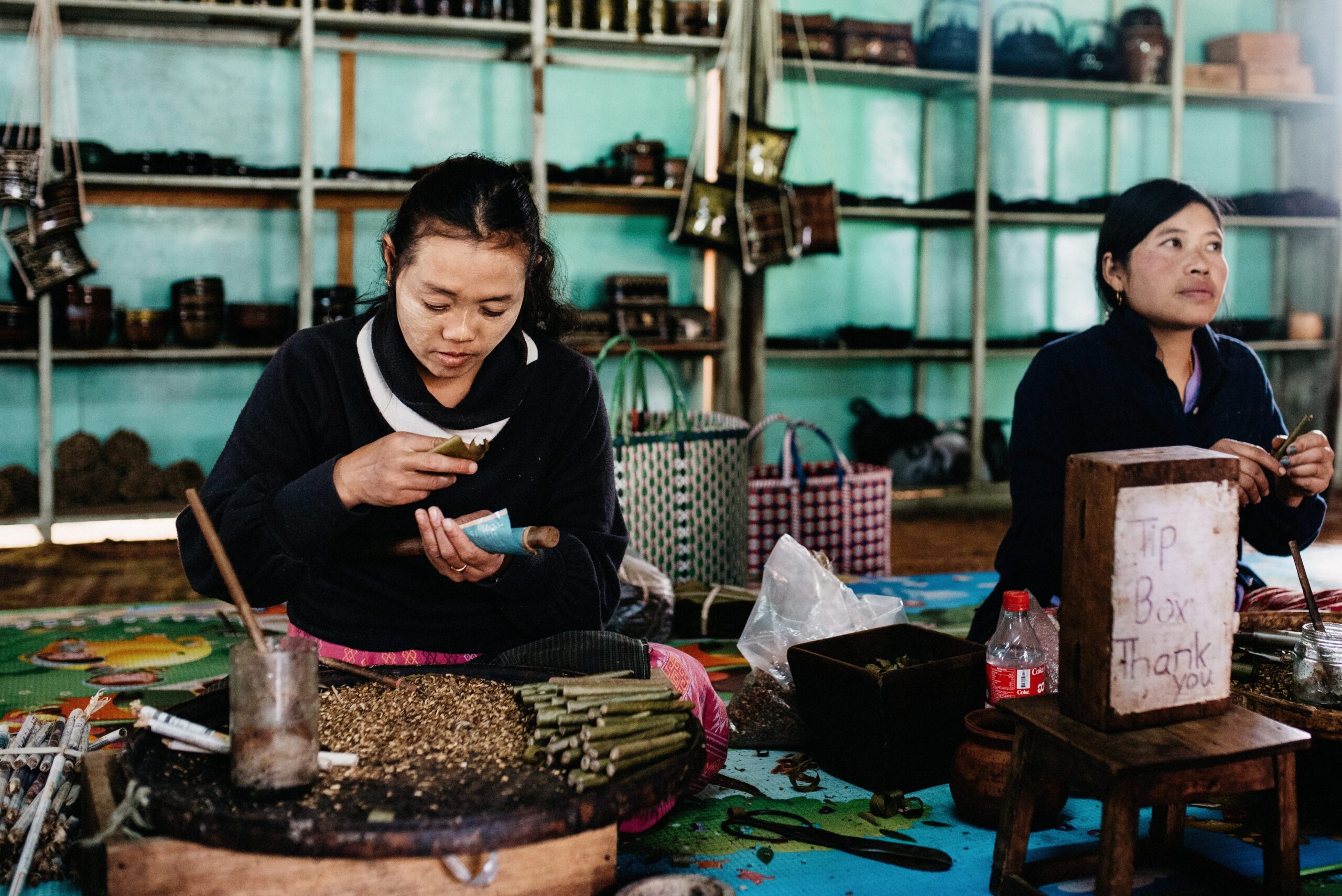
The cigar workshop was not the greatest highlight either, but the speed of the workers was impressive. Three women sat beside one another with tobacco and leaves, each making complete cigars from start to finish. In about 15 seconds, a leaf was filled, rolled, folded, trimmed and finished.
Nga Phe Kyaung Monastery and floating gardens
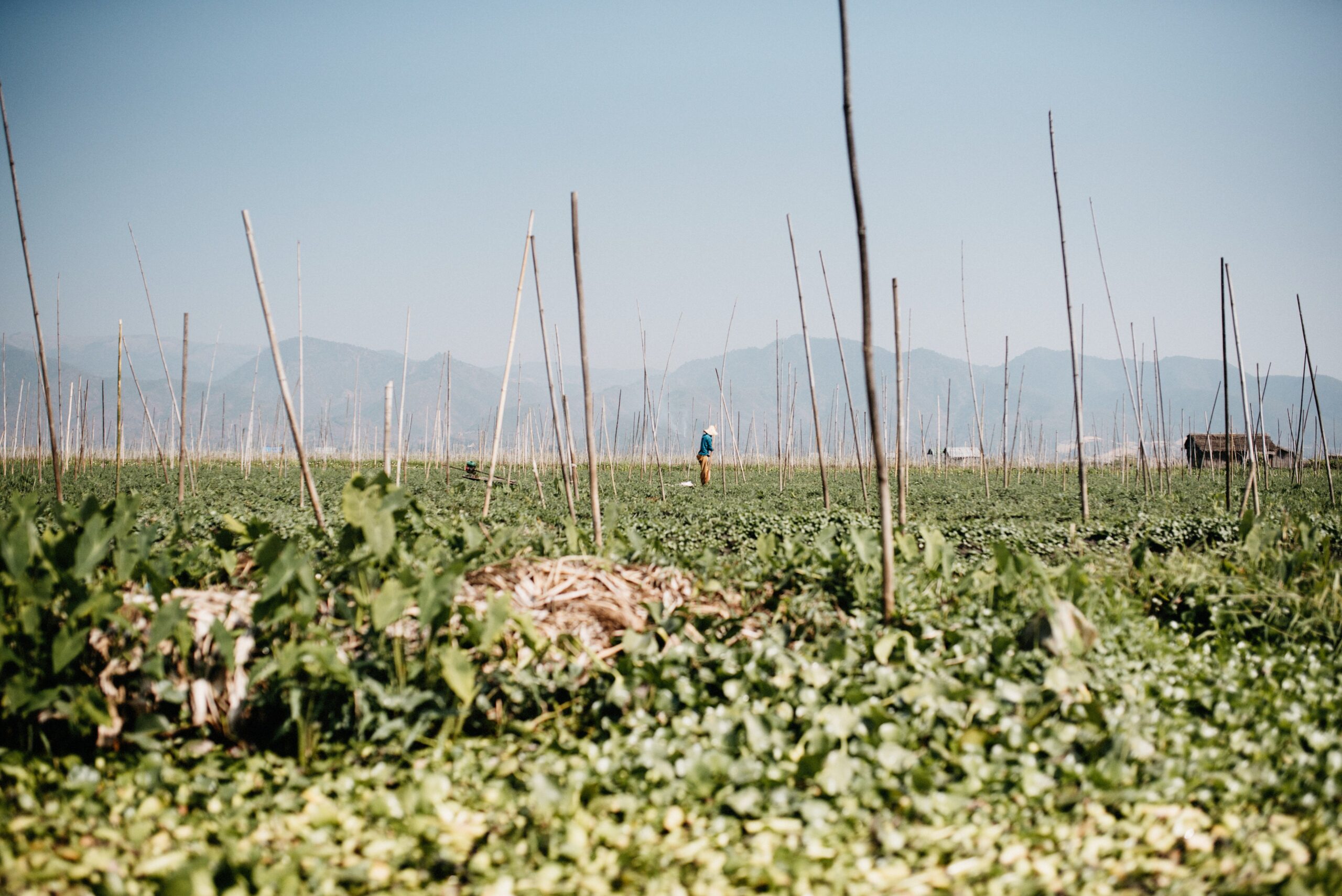
Our final scheduled stop was Nga Phe Kyaung, a large wooden monastery built on stilts. At the back, a small landing overlooked one of the floating gardens.
A farmer was navigating between the plants when we arrived. The gardens were made from layers of soil and weeds brought up from the bottom of the lake and fixed in place with bamboo poles. After so many monasteries across Myanmar, the building itself was less memorable to us than the view behind it.
Our practical lessons from the boat day
- Bring a jacket: The lake sits higher than many surrounding regions and early mornings were cold.
- Start before sunrise: The light was best in the morning and the main stops were quieter.
- Plan your own route: A private boat let us avoid much of the standard tour schedule.
- Bring sun protection: A hat, sunglasses and sunscreen became essential later in the day.
- Allow 60 to 90 minutes for Indein: That gave us time to enjoy the pagodas without rushing.
What else we considered around Inle Lake
Red Mountain Estate winery
Apart from sunset on the lake, Red Mountain Estate was a popular place for the evening. It was about 25 minutes by bicycle from Nyaung Shwe, and many hotels offered free bikes. We needed headlamps for the dark return because the bicycles had no lights. Locals told us this was no problem because cars and motorbikes had lights anyway.
Sagar
We had also wanted to see the “sunken” pagodas of Sagar. The boat ride from Nyaung Shwe took about 2.5 hours and depended on sufficiently high water. The level was too low during our visit. We did not want to go by car, so Sagar had to wait for another time.