
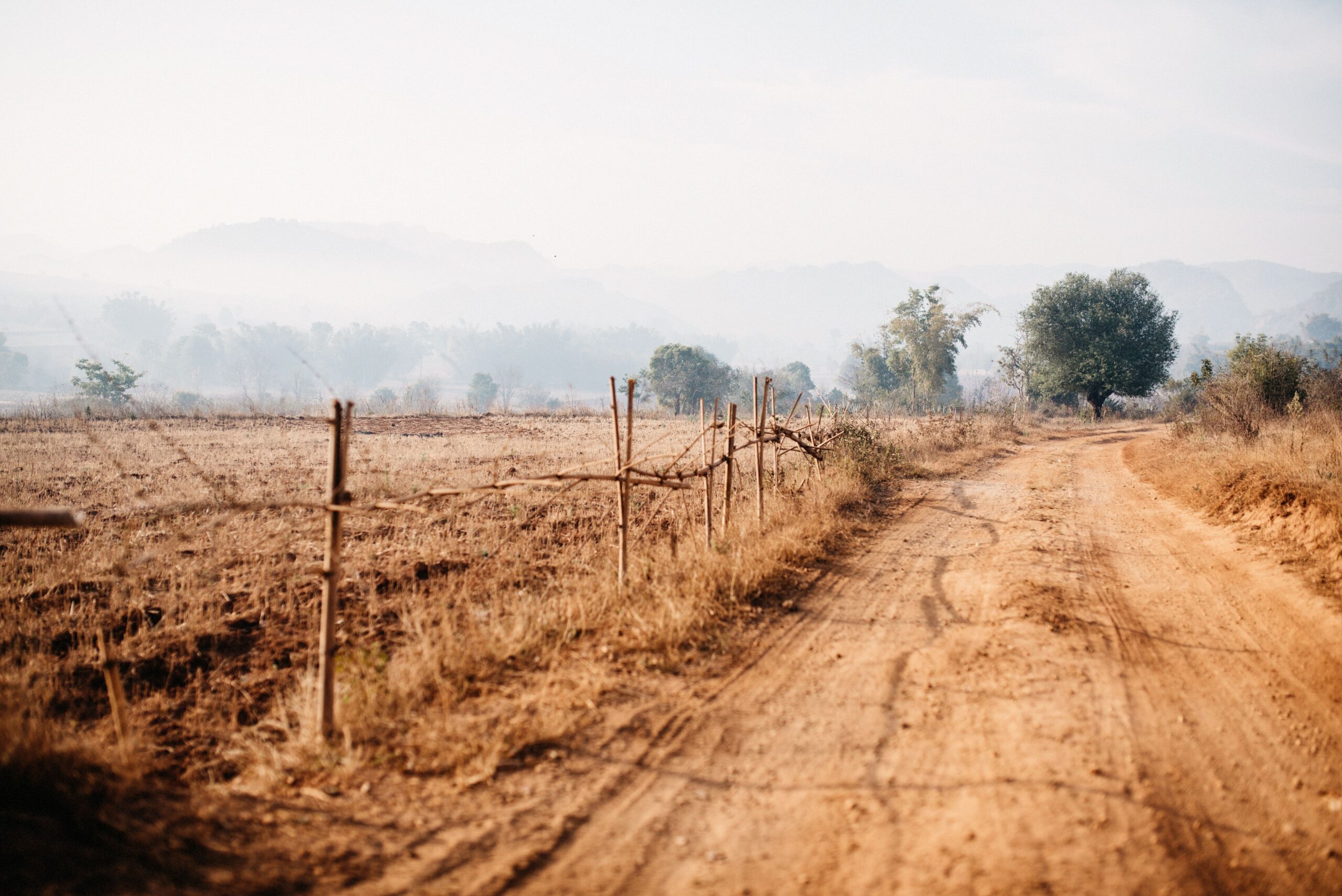
Trekking is the most popular way to travel from Kalaw to Inle Lake. We chose the two-day, one-night trek and did not regret it. It gave us a close look at Myanmar’s countryside, village life and landscapes, and made arriving at the lake feel like a proper reward.
The route starts outside Kalaw, at a monastery about 45 minutes from town. Kalaw itself is a quiet place filled with hotels and trekking companies. Most people come to begin either a two- or three-day trek rather than for the town alone.
Getting from Mandalay to Kalaw
We travelled from Mandalay to Kalaw by bus. Day and night buses were available, and we chose the overnight option because our daytime bus from Yangon to Bagan had been hot, long and had cost us an entire day.
The JJ Express night bus
We took the JJ Express night bus. Tickets could be booked online or through almost any accommodation or tour office. The online seats were already sold out when we checked one day before departure, so our hotel booked for us.
The bus left Mandalay Bus Station at 10:00 PM and reached Kalaw at about 4:00 AM. We had to arrive at least 30 minutes early for check-in and luggage. A taxi from Moon Light Hotel to the station cost 7,000 kyat and took roughly 15 minutes.
The bus was surprisingly comfortable. We received blankets, breakfast, water and hot and cold drinks. The seats reclined, movies were available, and a bus attendant looked after everyone and woke passengers for their stops.
The disadvantage was the 4:00 AM arrival. Most trekking tours started between 8:30 and 9:00 AM. We could either spend a full day in Kalaw or begin after a night on the bus. We chose the second option and were tired, although walking soon woke us up.
Our fare: 18,000 kyat per person. The ticket displayed Mandalay to Taunggyi because Taunggyi was the final stop. At check-in we told the attendant that we needed Kalaw, and she woke us when we arrived.
Choosing a trekking agency
We researched extensively before arriving in Kalaw and ended up with three possible operators: A1 Trekking, Sam Trekking Services and James Aung Soe Trekking Services. Their prices and inclusions were fairly similar, so our final decision was based largely on communication and sympathy.
A1 Trekking Service
- Quoted price: USD 50 per person, plus boat transfer, taxi and luggage transfer.
- Total after discount: About USD 60 per person, cheaper for a larger group.
- Included: Guide, transport to the start, meals, boat, luggage transfer and accommodation.
- Excluded: Inle Lake fee and water.
Sam Trekking Services
- Quoted price: USD 45 per person, cheaper with at least five people and a maximum group of seven.
- Included: Guide, transport to the start, meals, boat, luggage transfer and accommodation.
- Excluded: Inle Lake fee and water.
James Aung Soe Trekking Services
- Quoted price: USD 60 per person.
- Included: Guide, transport to the start, meals, boat, luggage transfer and accommodation.
- Excluded: Inle Lake fee and water.
Why we chose James
James always replied quickly, in good English and with a friendly tone. Sam’s replies were slow and impersonal, sometimes requiring a second email, while A1’s pricing and emails felt unnecessarily complicated. James was a former maths teacher who had started a young, family-run trekking business. That was exactly the type of company we liked to support. We never regretted the decision.
The Kalaw to Inle Lake route
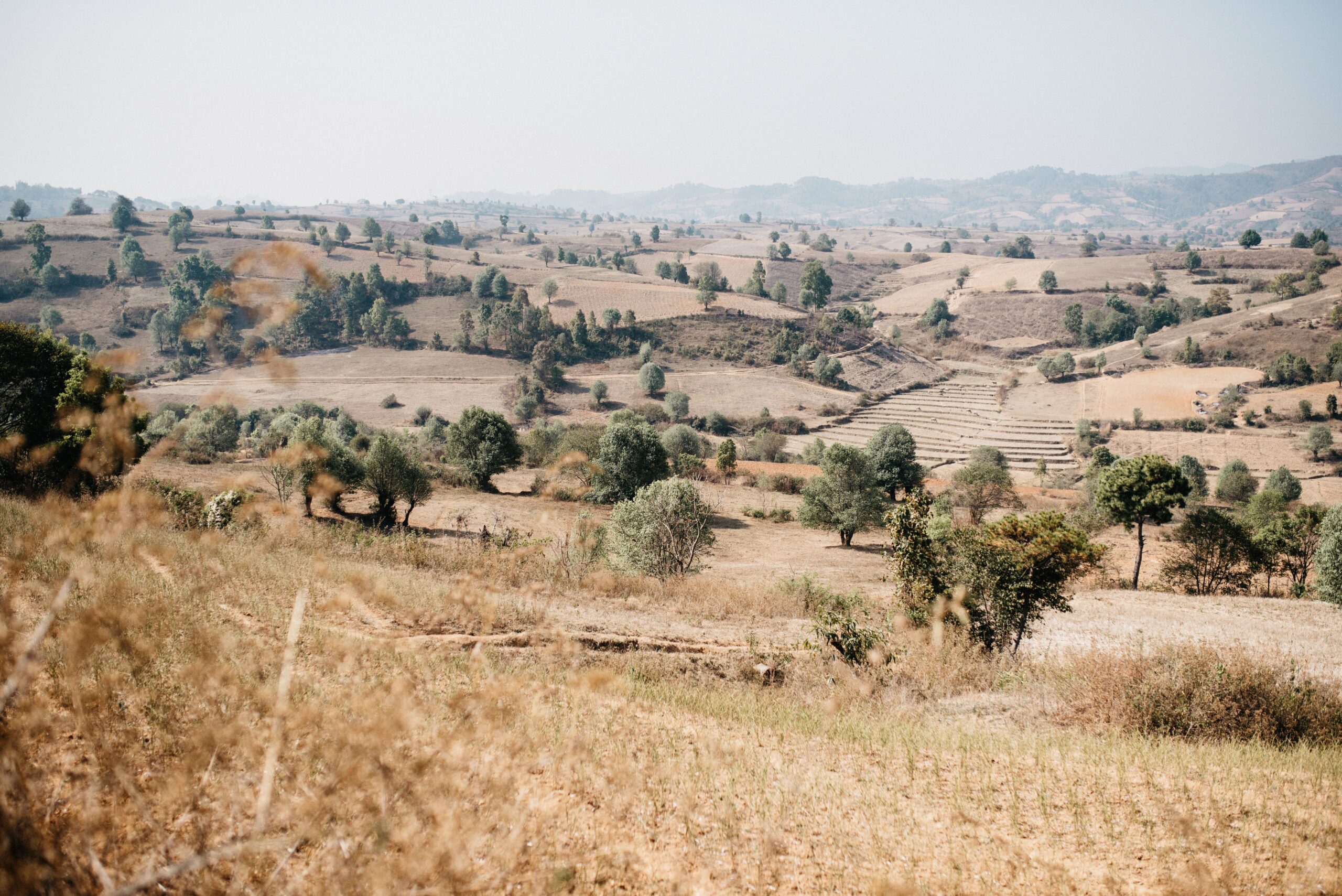
The full trek was about 36 kilometres, or 22 miles. It was not technically difficult and was mostly flat, with only small climbs and descents. The path crossed rice terraces, vegetable fields, villages, dry steppe and bamboo woods.
The hardest part was the weather. Mornings and evenings were cool, while the middle of the day was extremely hot. The last 15 minutes were stony and steeper, but still manageable. At the finish, a 1.5-hour boat ride across Inle Lake took us to Nyaung Shwe.
Two days or three days?
The standard choices were two days and one night or three days and two nights. We initially wanted the three-day route, but our research suggested that the extra day mainly meant more walking and a few more villages rather than a completely different landscape.
We were glad we chose two days because the night in the village became extremely cold. For anyone who loves trekking and wants more time outdoors, three days may still be worthwhile. For us, two days were enough.
When to do the trek
The most comfortable period was said to be the cooler dry season between November and February. March to May could reach around 40 degrees Celsius during the day. June to September was the rainy season, when mud made parts of the route difficult or impossible. October was supposed to offer the greenest rice fields near the end of the rains.
Day one: villages, fields and a homestay
Our first day began at 4:00 AM when the night bus dropped us in Kalaw. The town sits about 1,300 metres, or 4,265 feet, above sea level and was freezing before sunrise. We had met two German travellers on the boat to Mandalay, and the owner of their Mya Sabai Inn Guesthouse kindly let us sleep on a couch until our trek began.
At 8:00 AM we met our guide. Half an hour later, a taxi took us to the monastery where the trek started. The first day covered about 20 kilometres, or 12.4 miles, over six to seven hours.
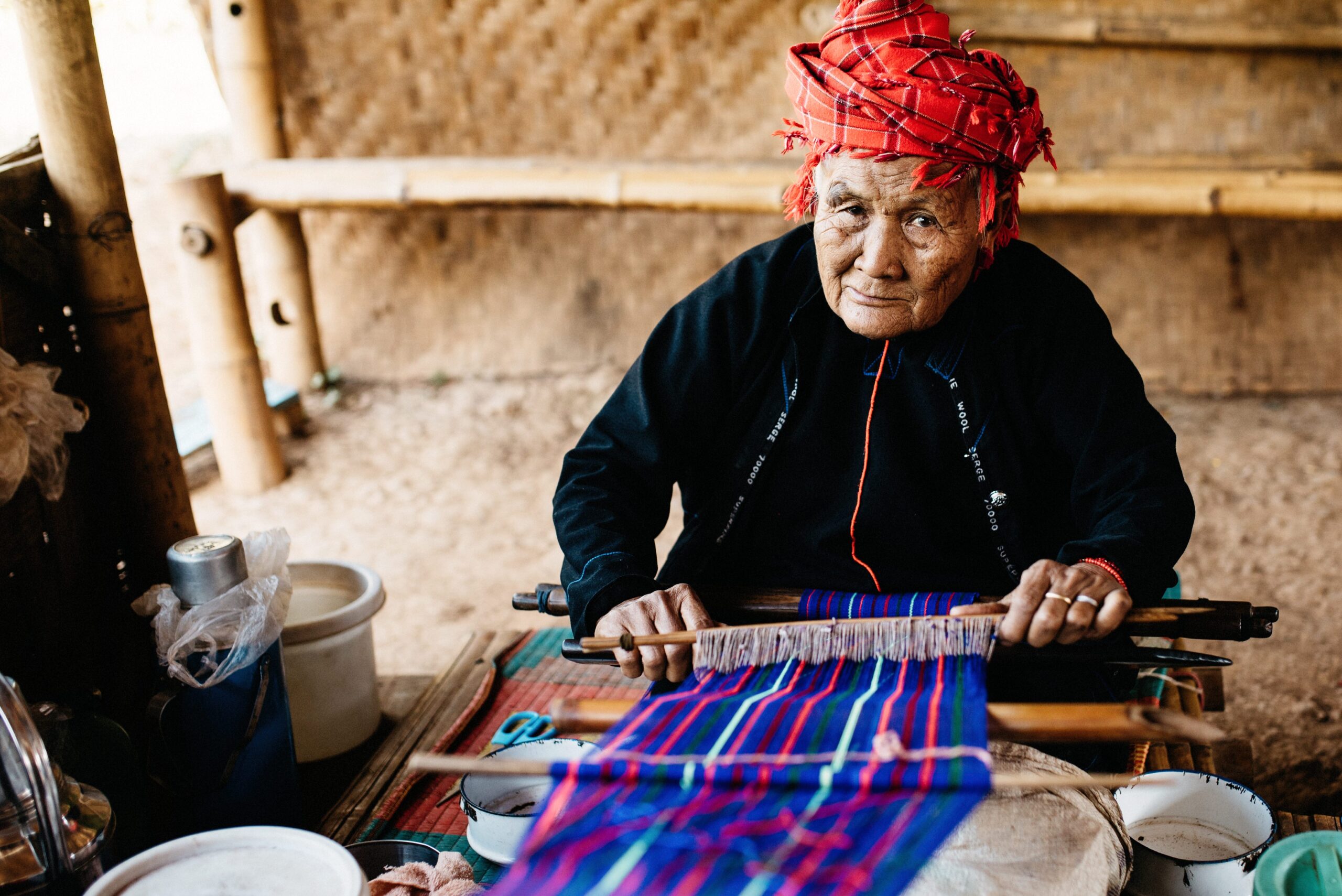
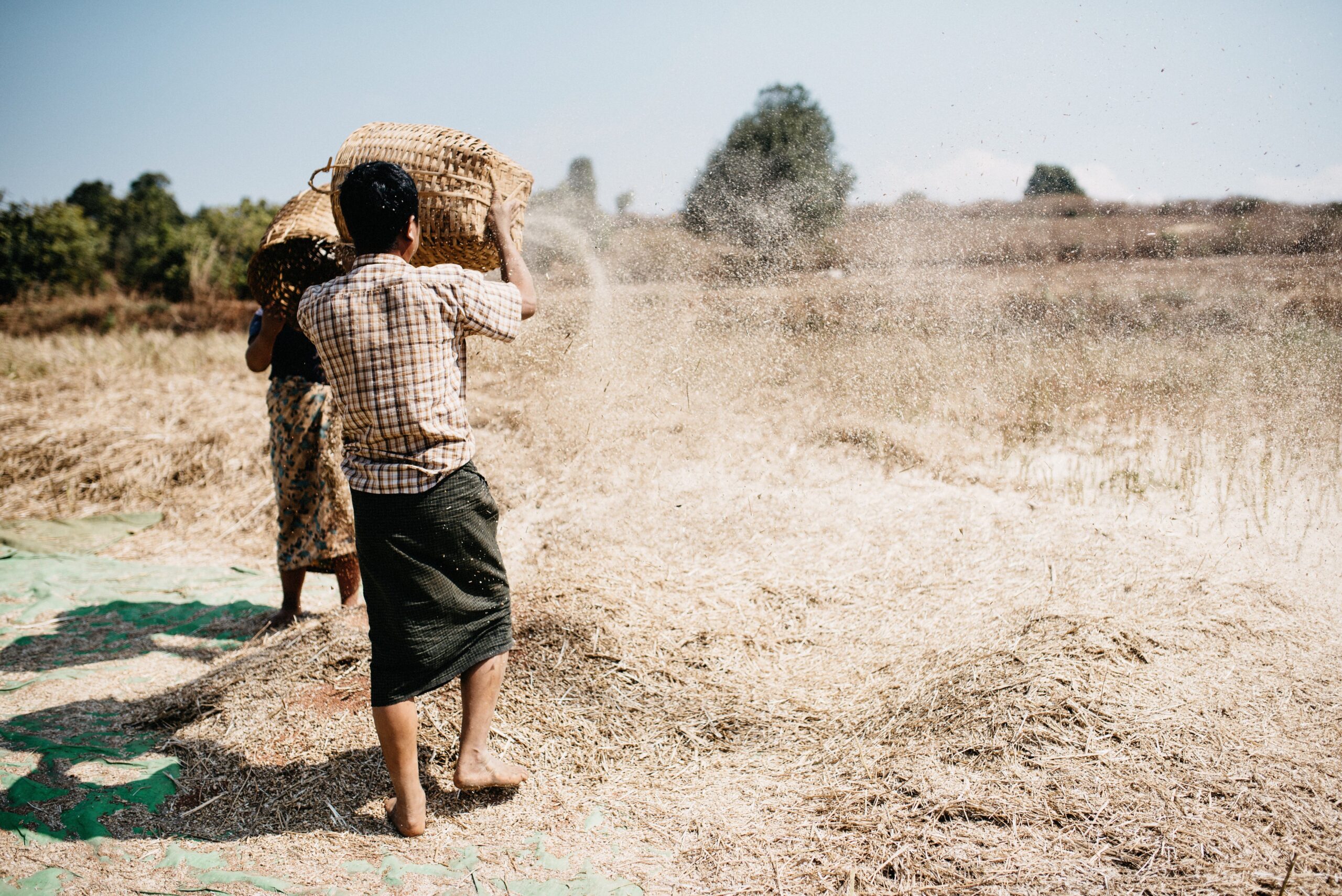
The path crossed endless terraces and fields before entering rural villages. We watched older women weave handbags for the market and saw people crack peanuts with wooden blocks to separate the nuts from their shells.
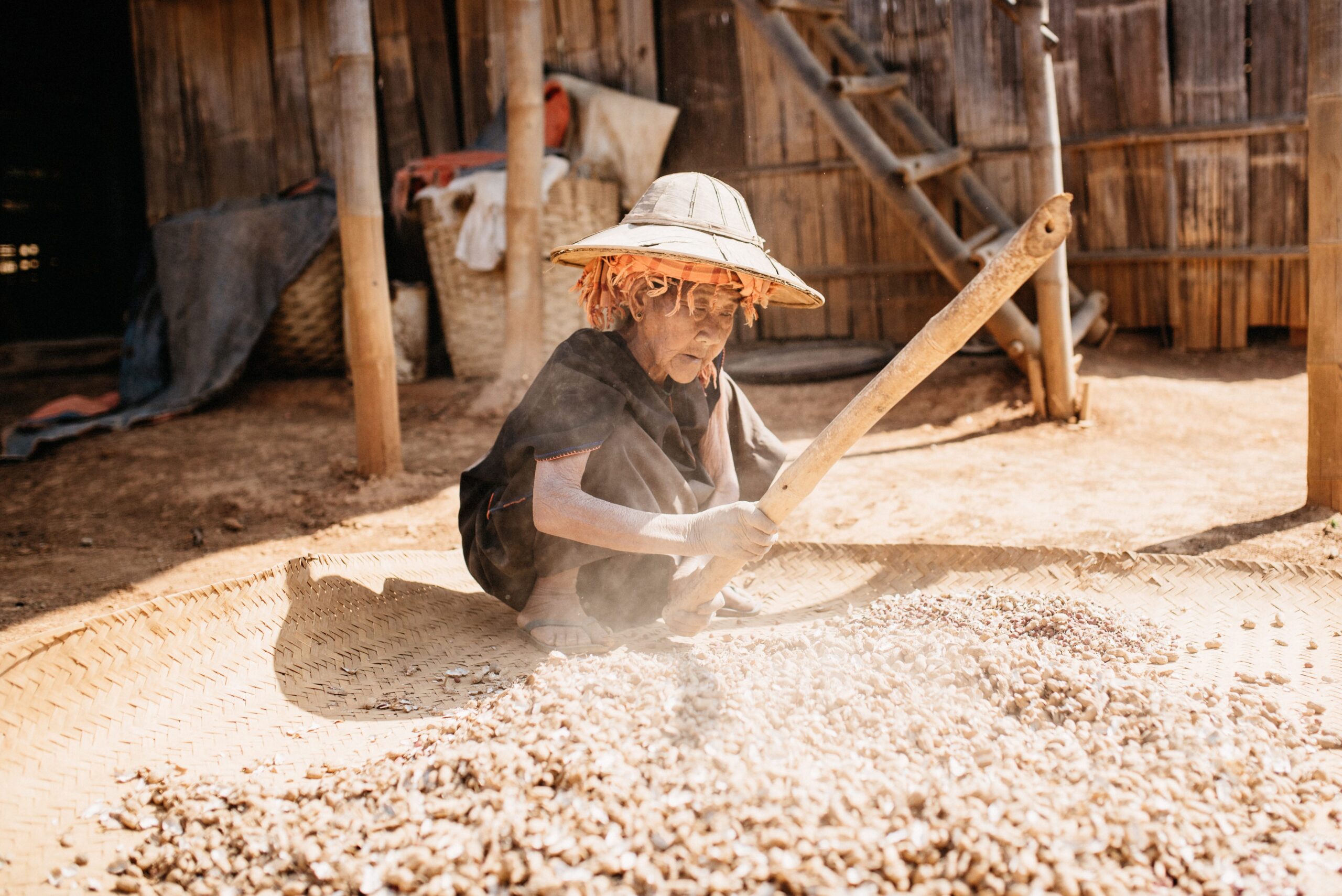
Chillies and turmeric dried in front of houses, fresh ginger filled the air, and villagers carried wood, crops and enormous bundles on their heads.
Lunch in a village home
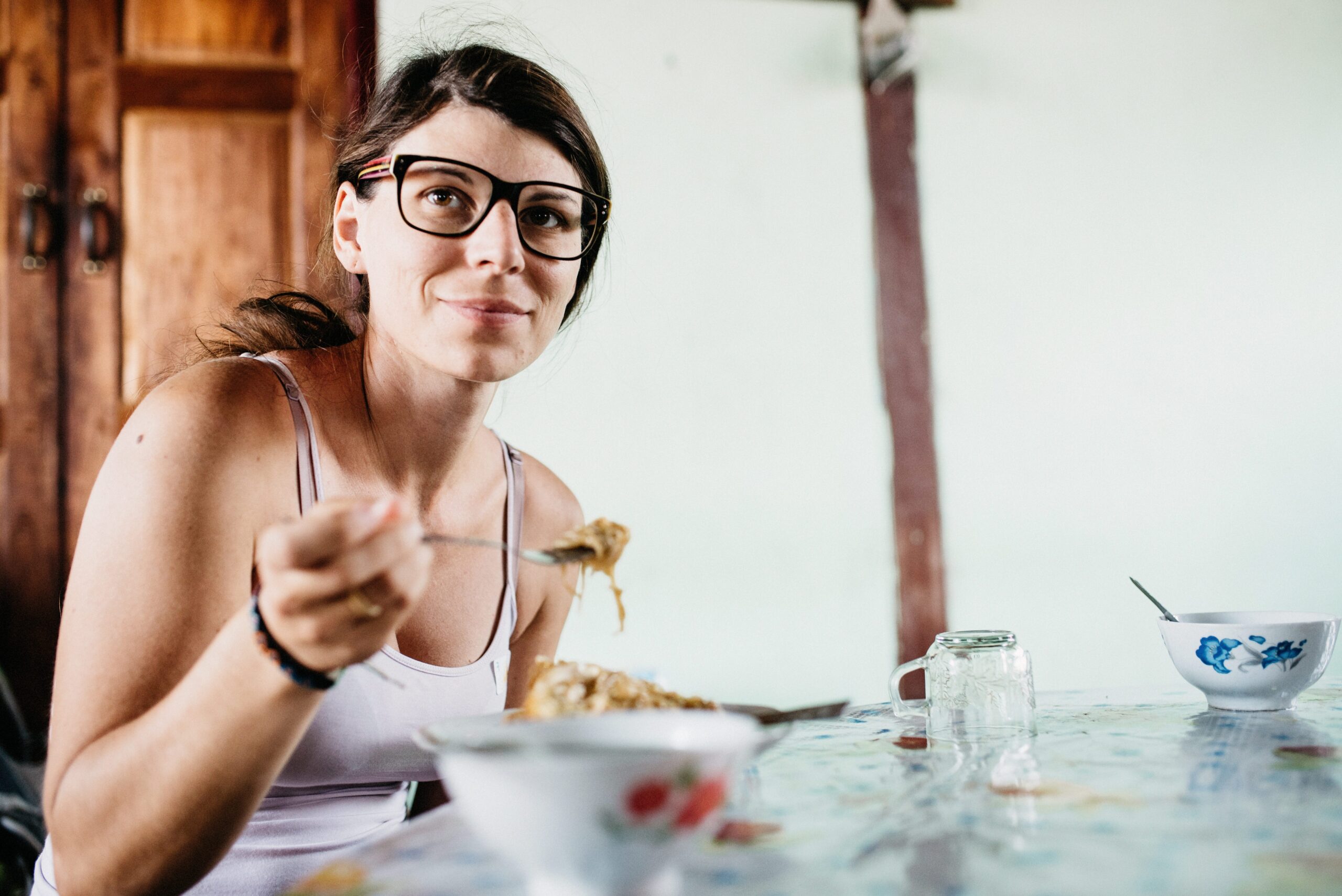
A family cooked soup and fried noodles for lunch. Our guide prepared avocado salad with fruit from his own plantation, followed by fresh fruit for dessert. Afterwards, we fell asleep on the floor beside the table for 1.5 hours.
We could take a short route to the homestay or add another 1.5 kilometres, just under one mile, to pass a river. We chose the longer route. Without swimwear, we settled for putting our feet into the cold water.
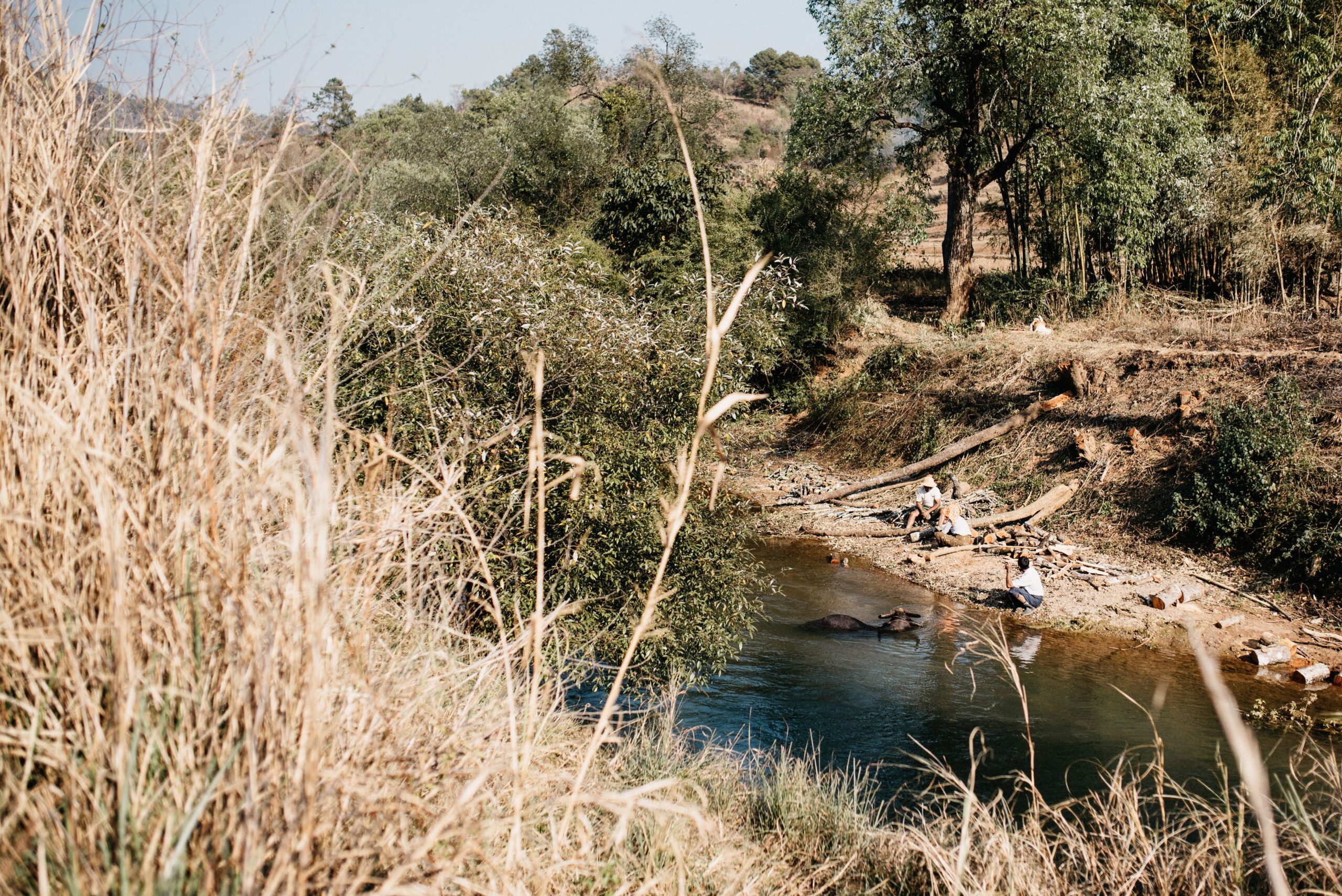
Along the way we watched people working in the fields and followed a woman leading her buffalo home for the night.
Our night in the village
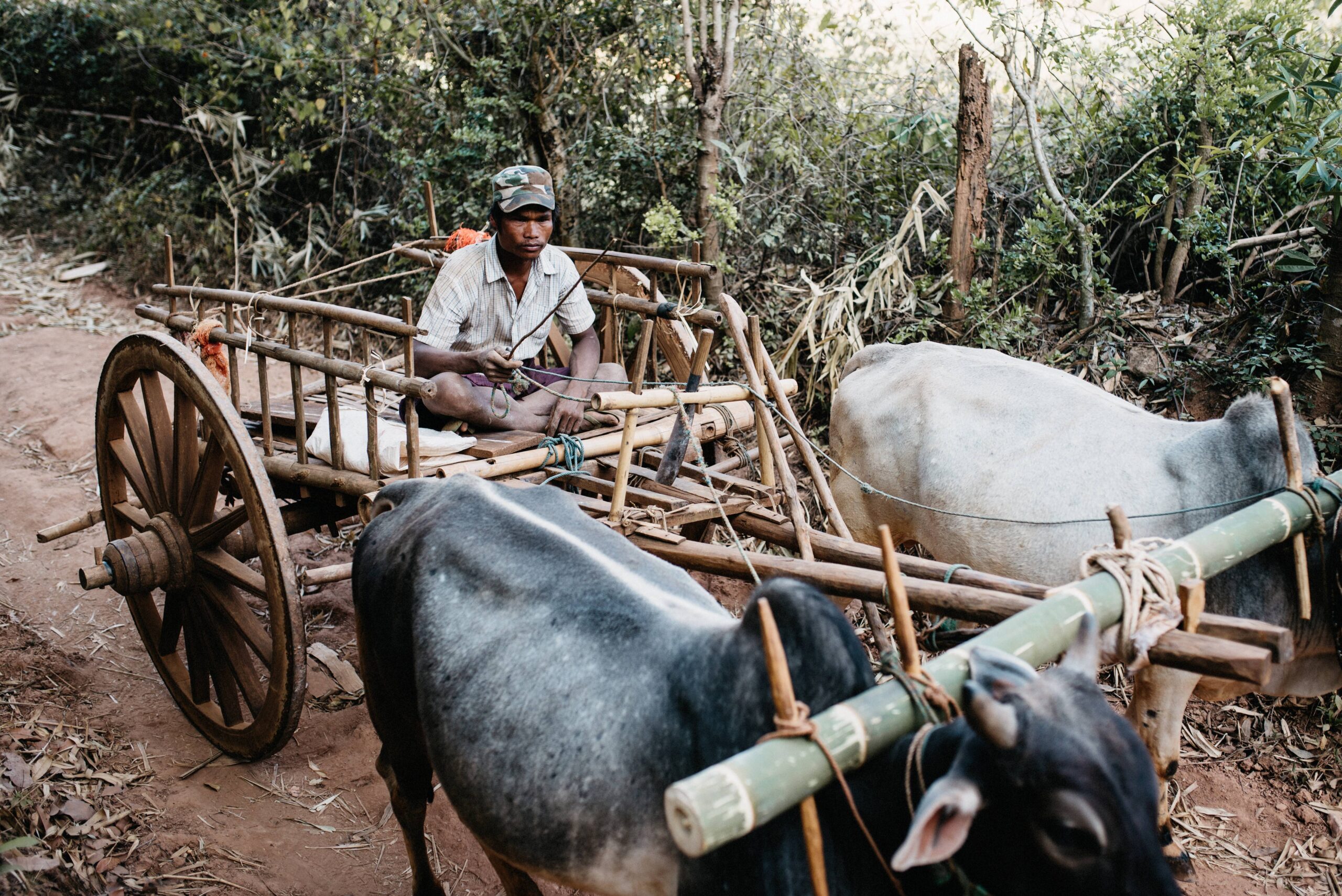
We reached the village around 5:30 PM just as everybody returned from the fields. The final metres were shared with horse carts, buffalo and women carrying wood and other heavy loads on their heads.
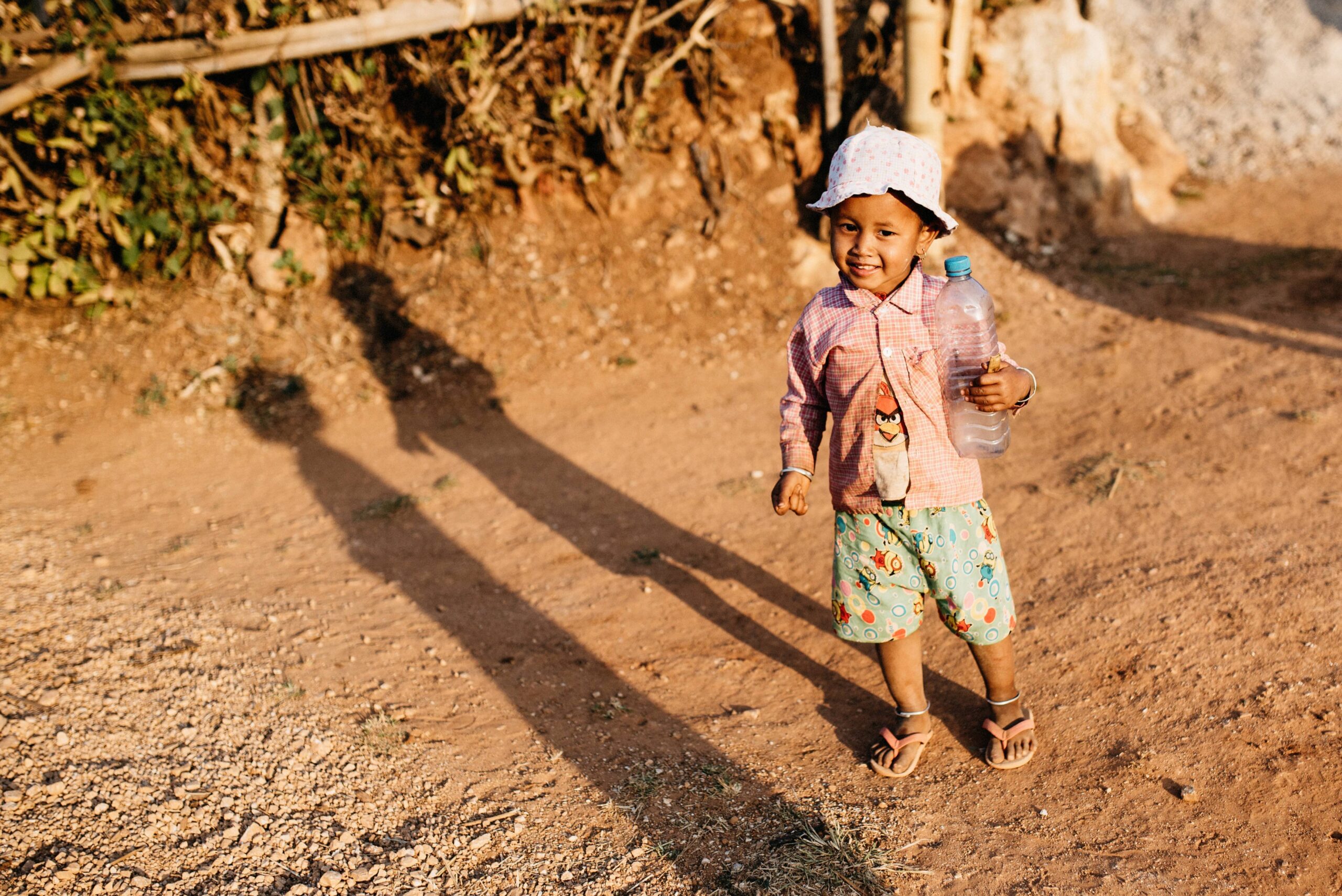
Our room was a huge space on the first floor of the house with a small balcony. After walking through the village for sunset, we took a quick bucket shower using rainwater and a plastic bowl.

Dinner was served by candlelight and became the most delicious meal we ate in Myanmar. We were completely exhausted afterwards. Our bed consisted of two mattresses stacked on the floor and two wool blankets.
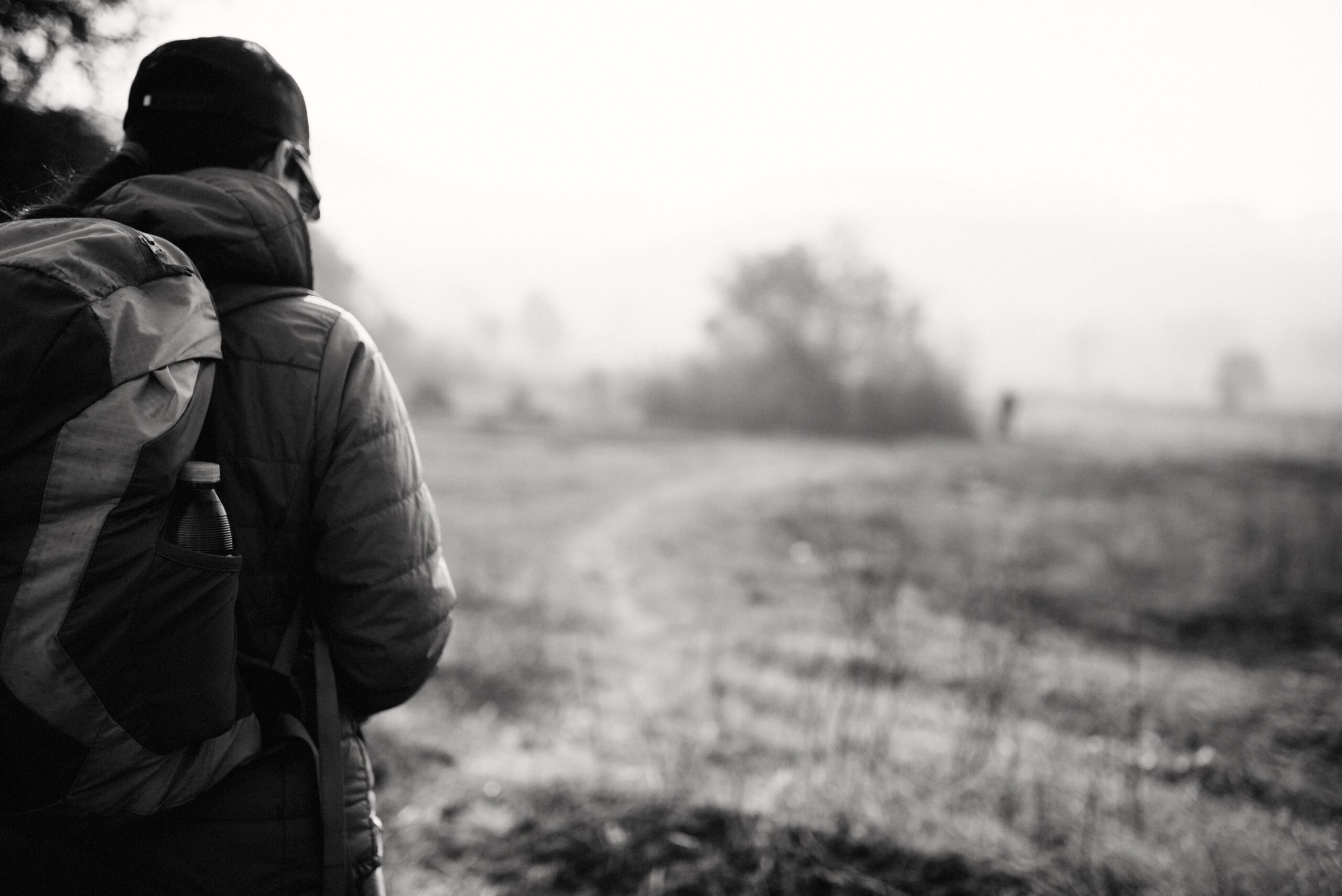
We shared the room with the family’s 90-year-old grandfather, who got up twice during the night to pee from the balcony. That was fine. The real problem was the cold. Even in winter jackets and long trousers, we struggled to stay warm.
Day two: the final walk to Inle Lake
Our guide woke us at 7:00 AM. We ate fried rice with egg, fresh fruit and coffee and started walking half an hour later. The second day was shorter: about 13 kilometres, or eight miles, over roughly four hours.
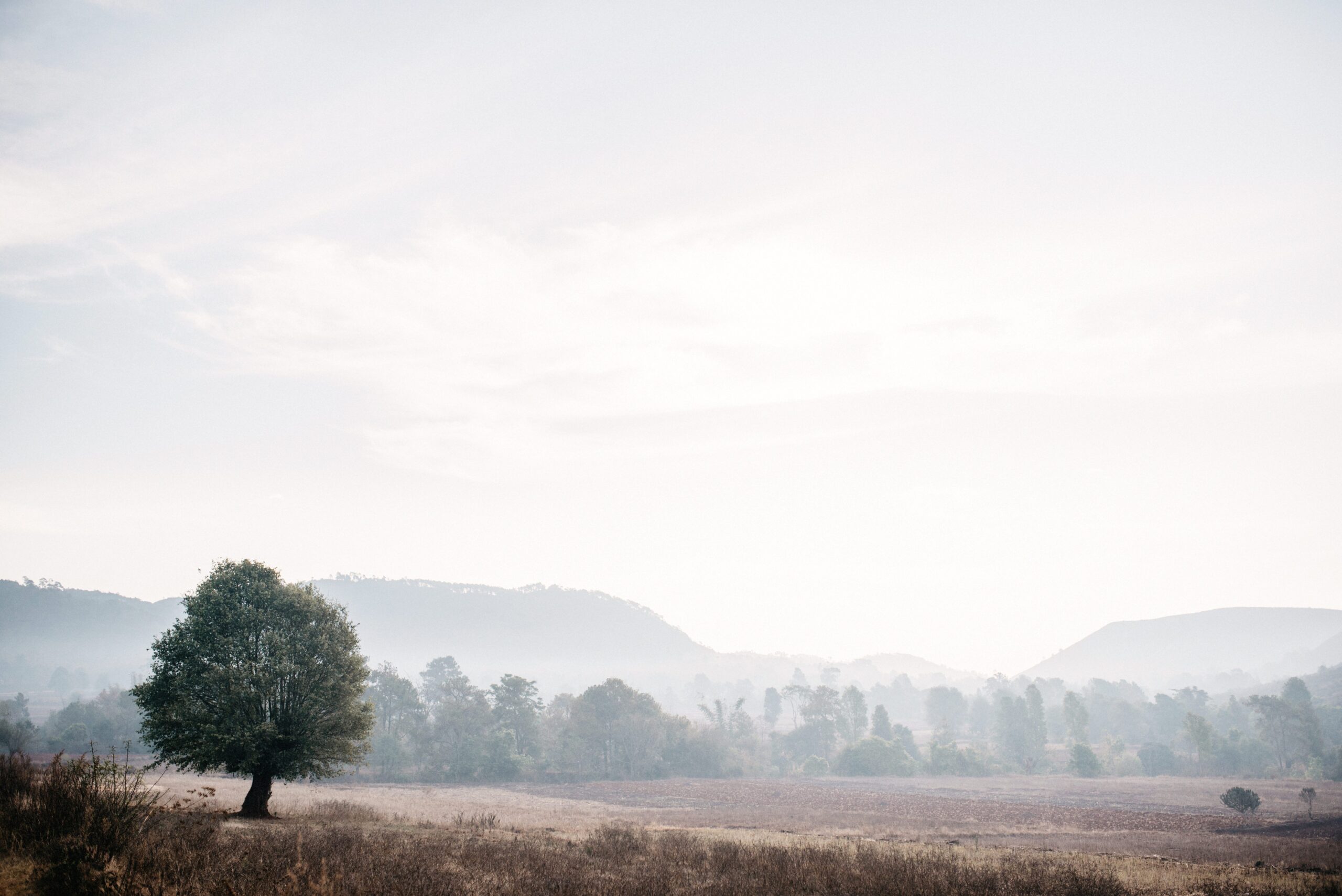
The Inle Lake ticket
Along this section we reached the checkpoint for the Inle Lake entrance fee. It cost USD 10 or 13,500 kyat per person and the ticket was valid for five days. We kept it close because it could be checked at monuments and other sights.
For two hours, the route crossed sandy and dusty steppe before a small restaurant gave us a green-tea break. The final two hours were less eventful: no villages, no fields, just us, a few bamboo trees and the path.
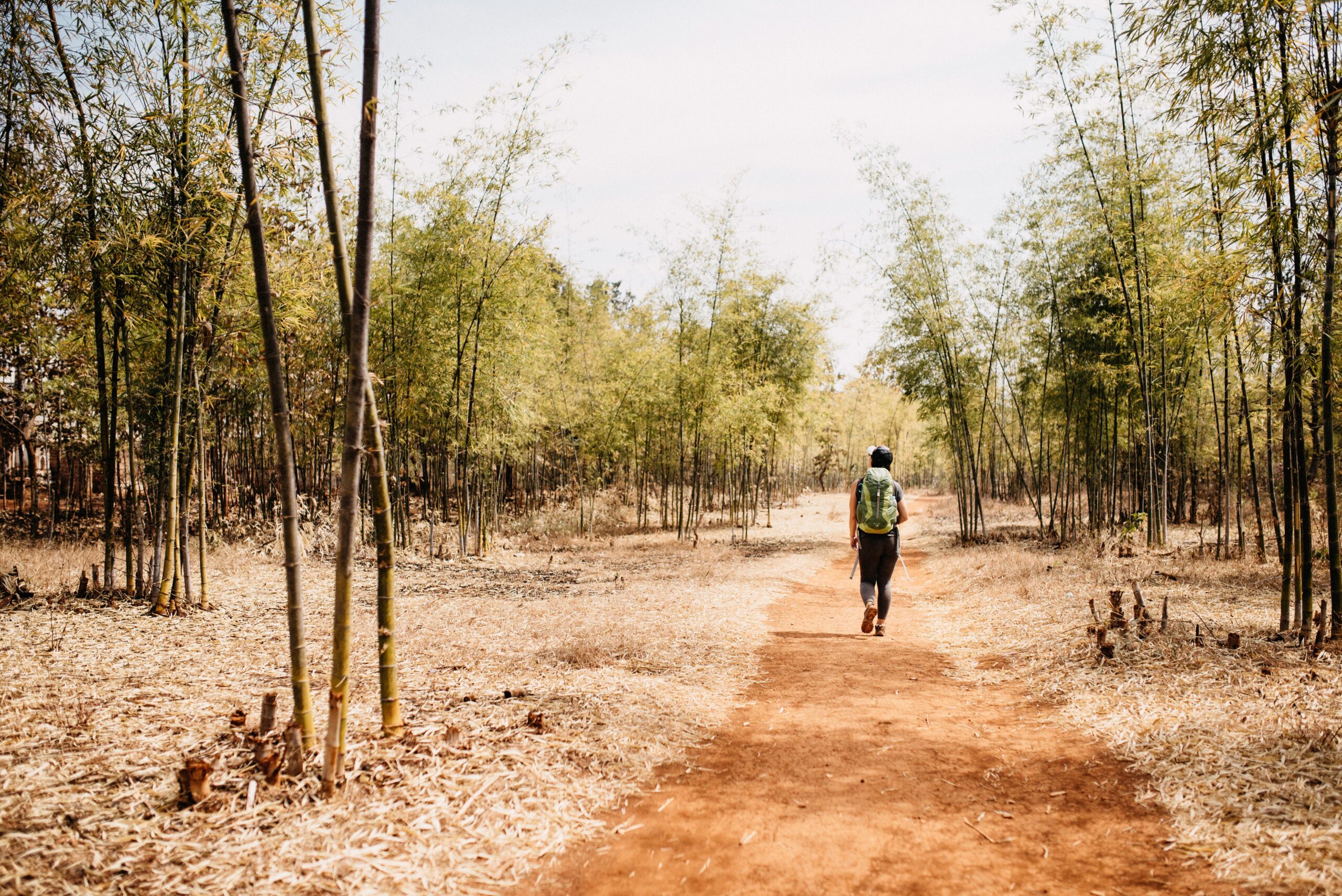
We were genuinely relieved when the final checkpoint appeared and somebody said, “Welcome to Inle Lake.” We received coconut as a welcome snack, continued to lunch and then boarded the boat to Nyaung Shwe.
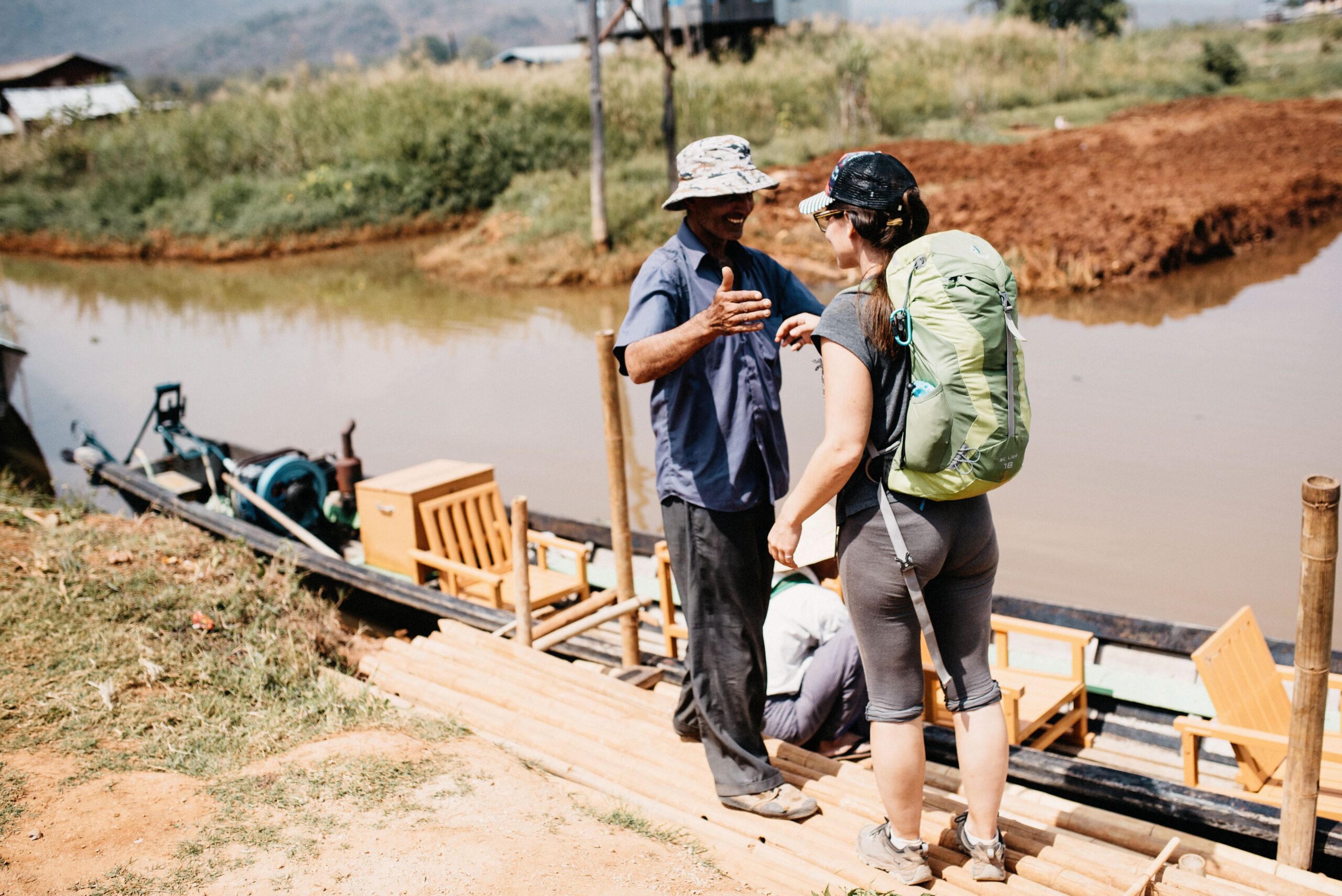
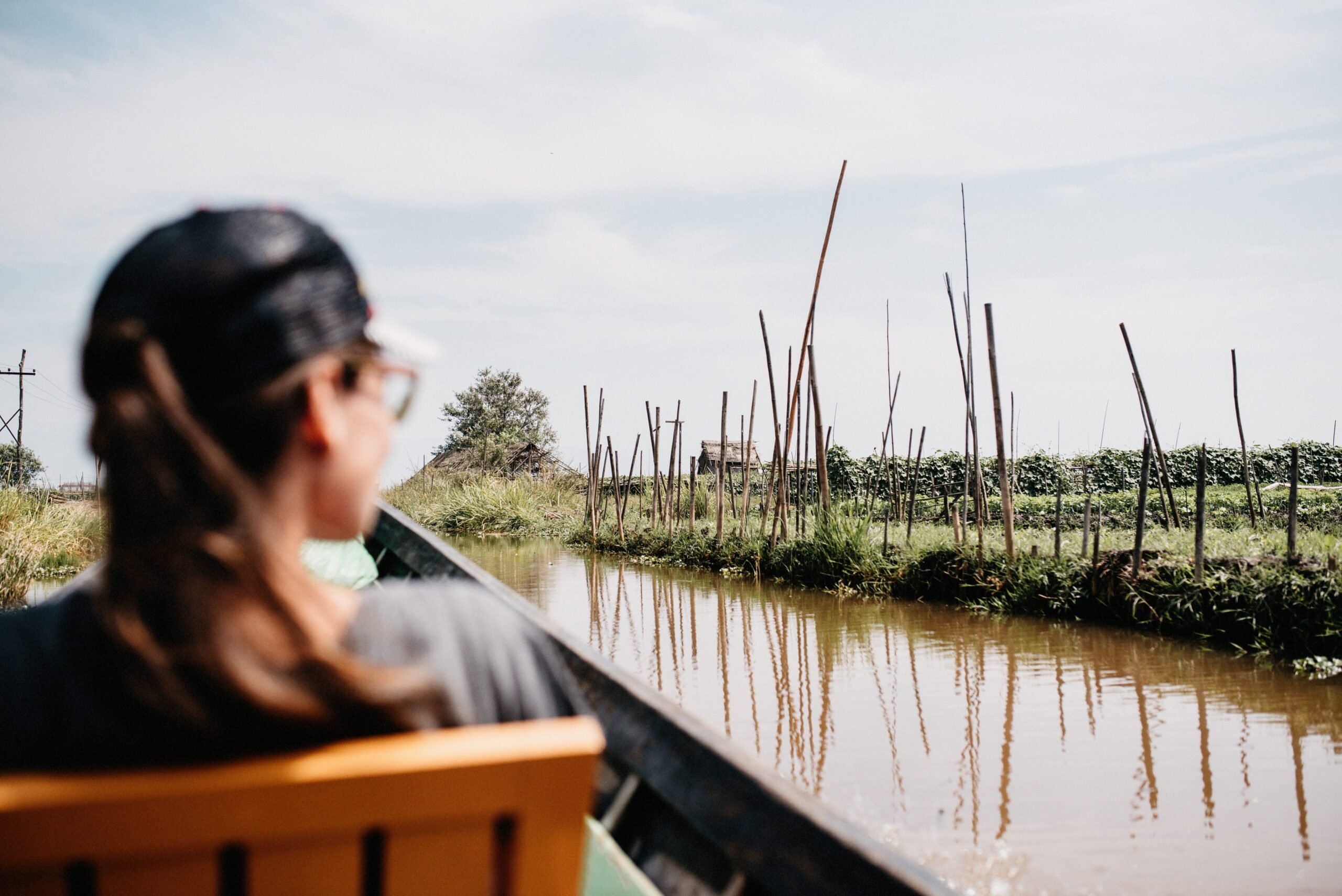
The transfer took about 1.5 hours and passed floating gardens and villages. Optional showroom stops included a silversmith and long-neck women, but we asked the driver to take us directly to the hotel.
After reaching Nyaung Shwe, we spent two more days exploring the lake. Our next report covers the sunrise boat tour, Indein and the floating villages of Inle Lake.