
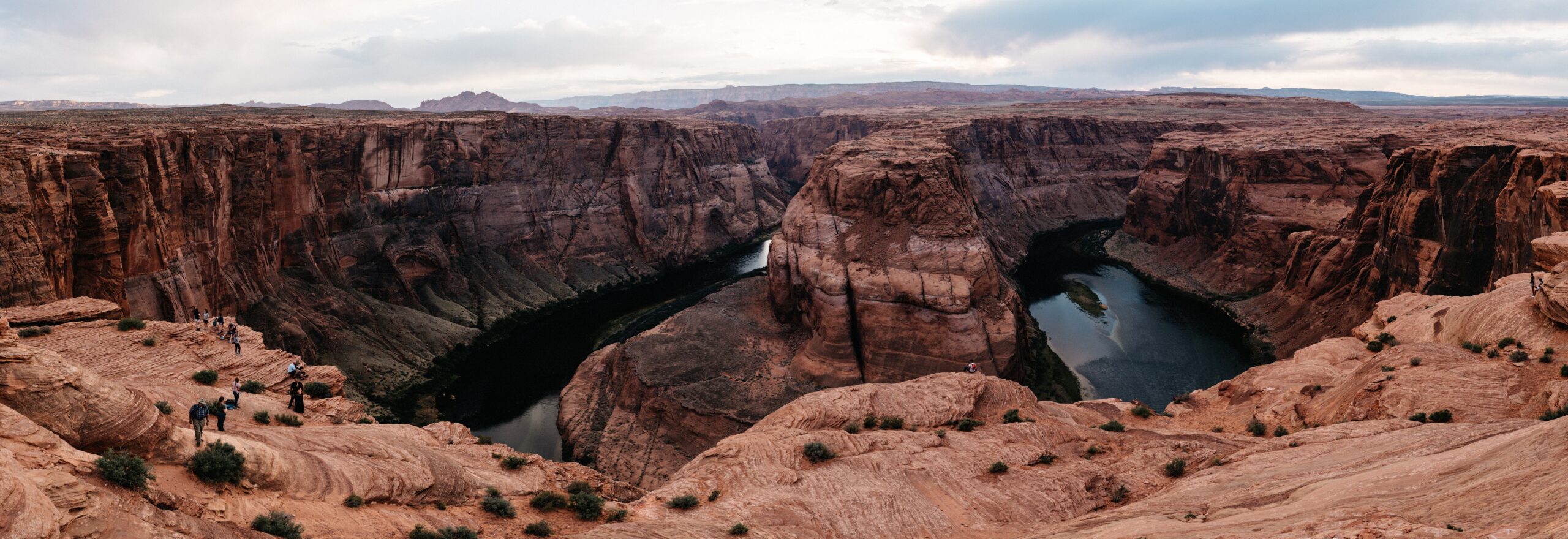
Page, Arizona felt less like a small town and more like a collection of hotels, fast-food restaurants and tour operators built around two famous places: Horseshoe Bend and Antelope Canyon. We knew both from countless photographs before we arrived.
Horseshoe Bend gave us the familiar view with far more people than the postcards suggested. Antelope Canyon was beautiful too, but it became the only major sight of our world trip that we knew we would not visit again.
The short walk to Horseshoe Bend
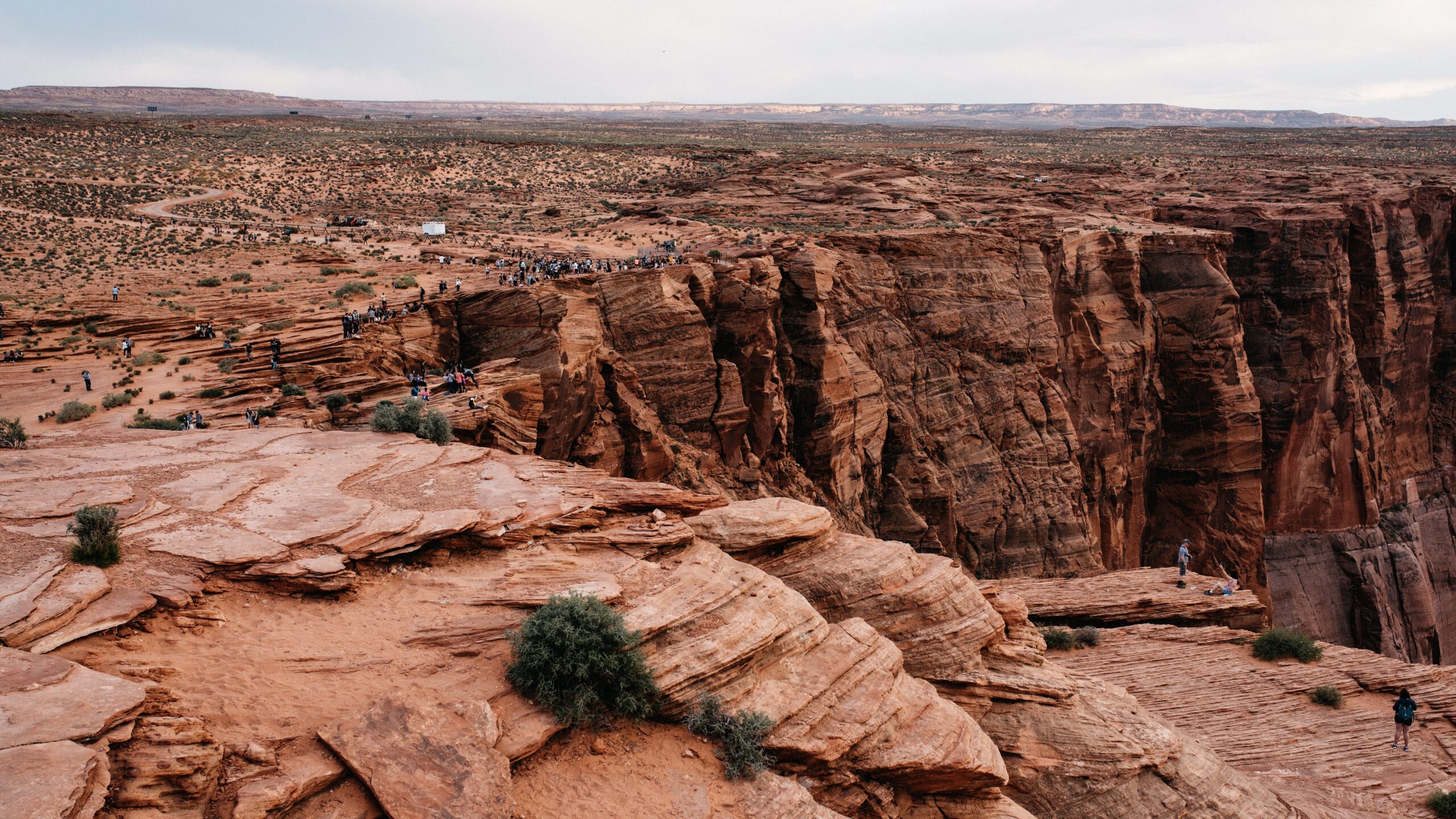
The viewpoint sat at the end of a short walk of roughly 800 metres. That made it accessible to almost everybody, which also meant almost everybody seemed to arrive for sunset. Families, tour groups, wedding photographers and tripods spread along the edge.
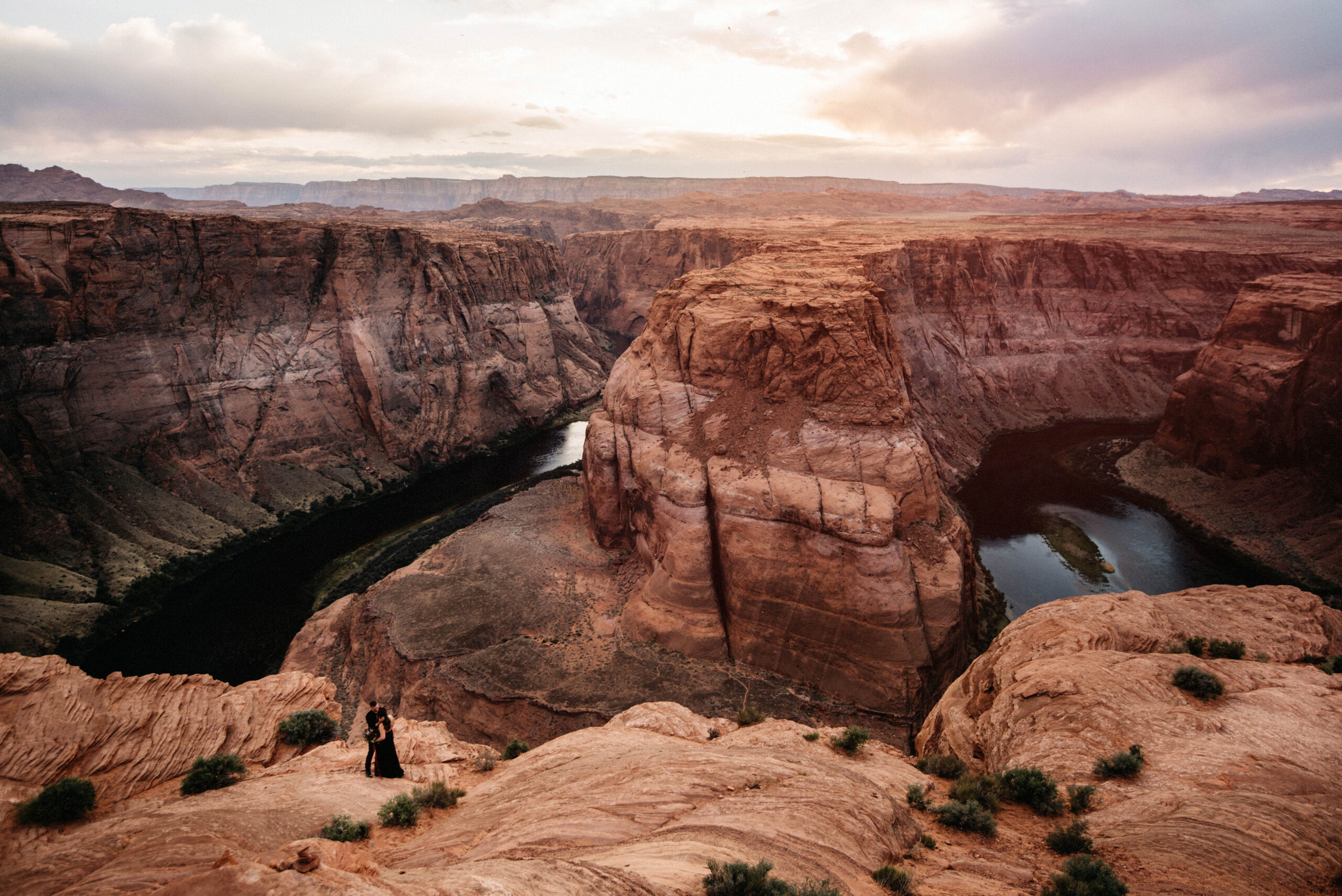
We even watched a wedding proposal take place in front of several hundred accidental witnesses. Romantic privacy was not one of the services Horseshoe Bend offered that evening.
From toddlers to grandparents, organised groups to professional photographers and people pretending to be professional photographers, almost every kind of visitor had gathered around the bend. Our estimate of roughly 500 people may not have been scientific, but the viewpoint certainly felt as if the entire world had arrived for the same sunset.
The postcard view was still real
The crowds did not change the basic fact that the place was spectacular. The Colorado River curved far below the cliff, and visitors could walk close enough to the edge for an unobstructed view. Clouds caught pink and purple light as the sun went down.
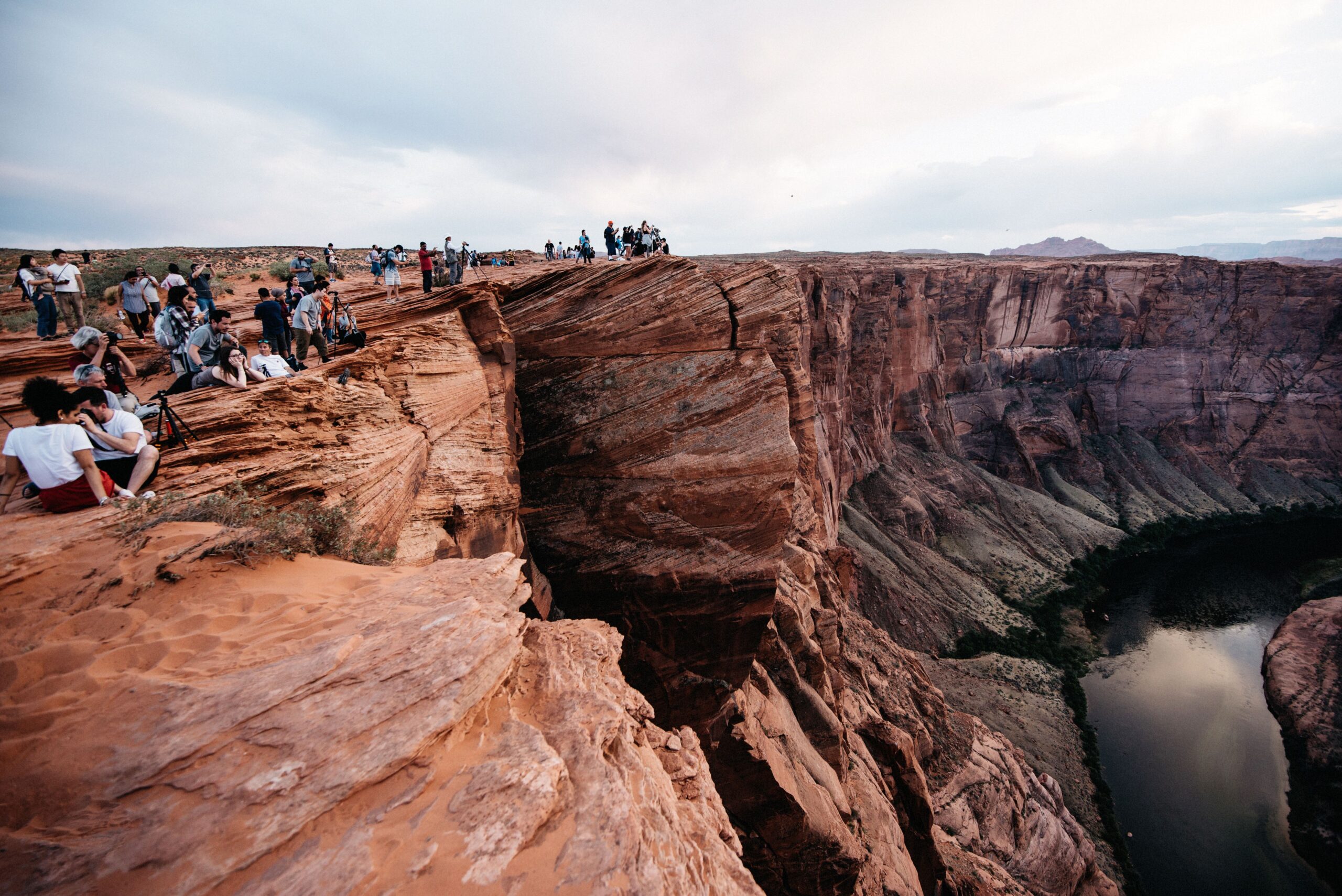
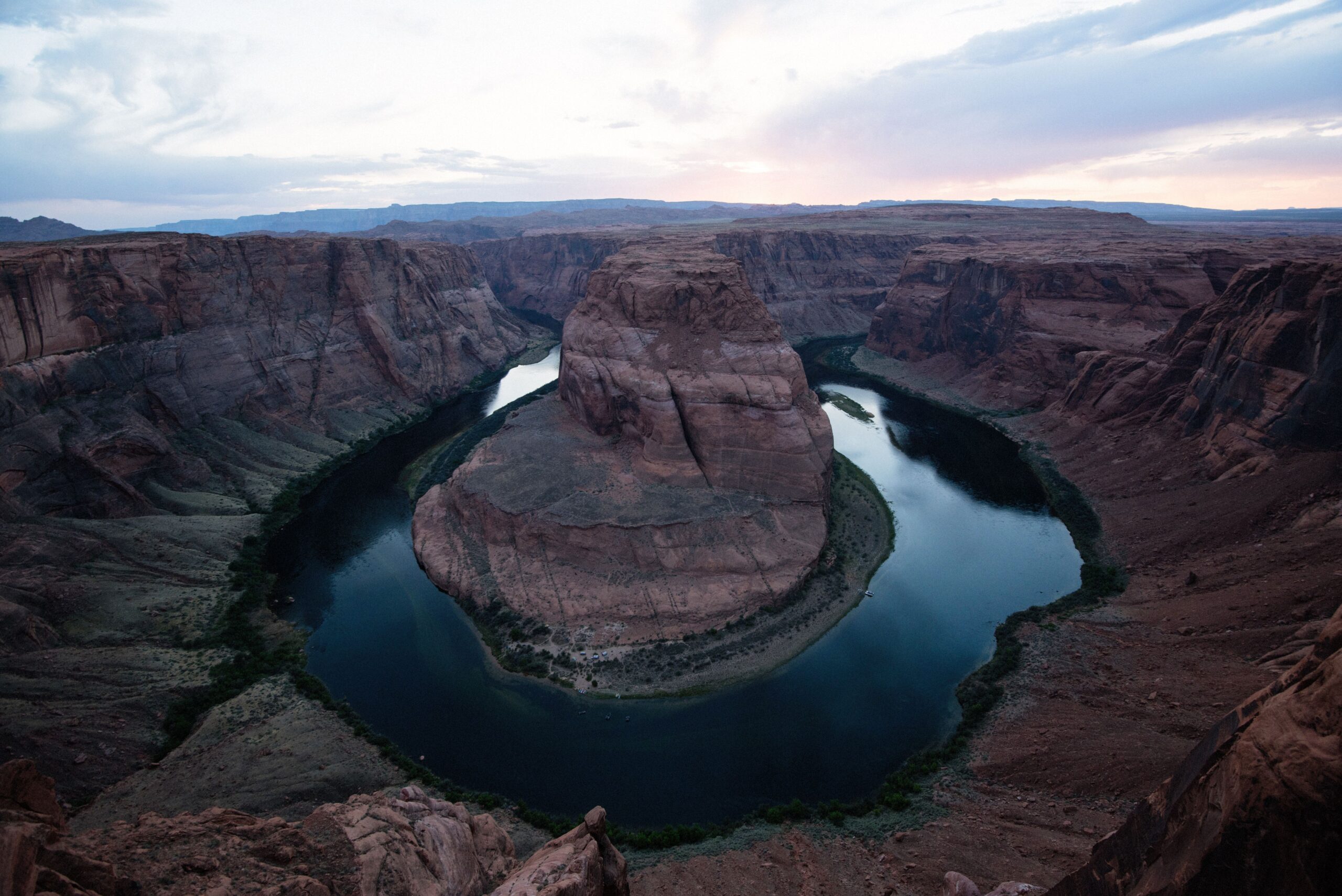
Horseshoe Bend was not an abandoned natural wonder, but it was worth the stop. We only needed to replace the idea of a quiet sunset with the reality of sharing it with a very large temporary neighbourhood.
There were no railings along most of the edge during our visit, so everybody chose their own distance from the drop. That freedom made the view stronger, but it also made watching people reverse towards the cliff for a photograph slightly uncomfortable.
Choosing Lower Antelope Canyon
Antelope Canyon could only be visited on a guided tour. We chose Lower Antelope Canyon because it was described as the quieter option and booked the late-morning slot. In 2018, our tour cost around USD 50 per person including taxes and Navajo fees.
There were separate tours for Upper and Lower Antelope Canyon and another less famous slot canyon nearby. Travelling on a tight budget, we only booked the Lower Canyon. It was supposed to be the less crowded of the two, which made the decision sound reasonable at the time.
We booked online with Ken’s Tours and paid on arrival. Dixie Ellis offered essentially the same Lower Canyon tour at the same price. The popular morning and afternoon slots had sold out weeks in advance, so we chose 11:30 AM. According to our guide, the high sun around noon made it one of the best times for the colours inside the canyon.
Check-in began 30 minutes before departure. Backpacks, tripods, loose cameras and action cameras were not allowed. A normal camera was permitted only with a strap around the neck, a detail repeated often enough that nobody could claim surprise at the entrance.
A bottle of water was fine. A GoPro was not, although we watched several people smuggle one inside a pocket. That was not our style, but apparently being told “no” only made the camera more attractive to some visitors.
Down the ladder and into the queue
The tour started with a steep ladder down into the slot canyon. This was also where the groups began to back up. The passages were narrow, and moving hundreds of people through them required a controlled line rather than a quiet walk.
The maximum group size was enforced very literally. Our group had 16 people, so one couple was separated for the three-minute walk to the canyon entrance and allowed to rejoin immediately afterwards. We did not understand the point, but the rule had technically been followed.
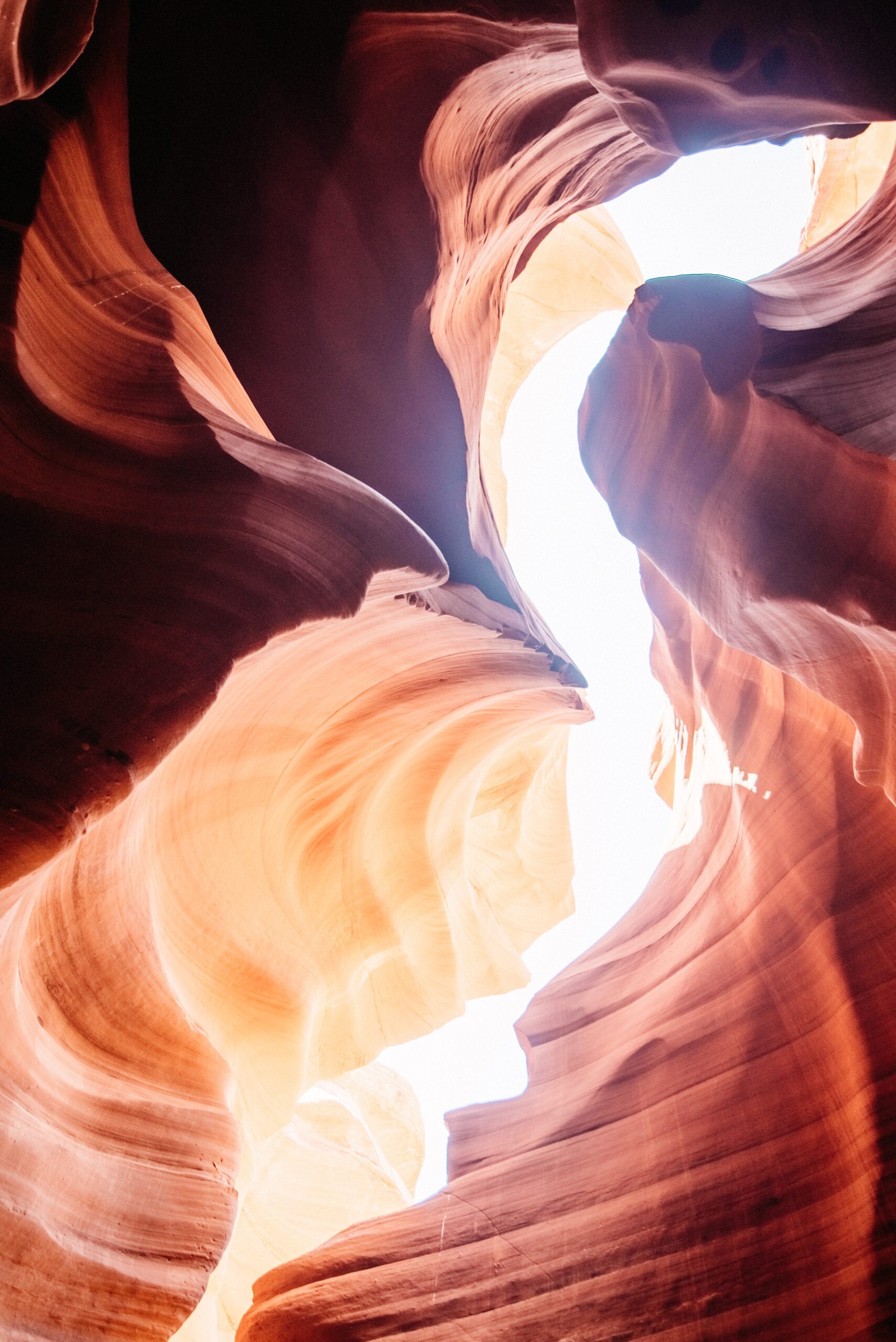
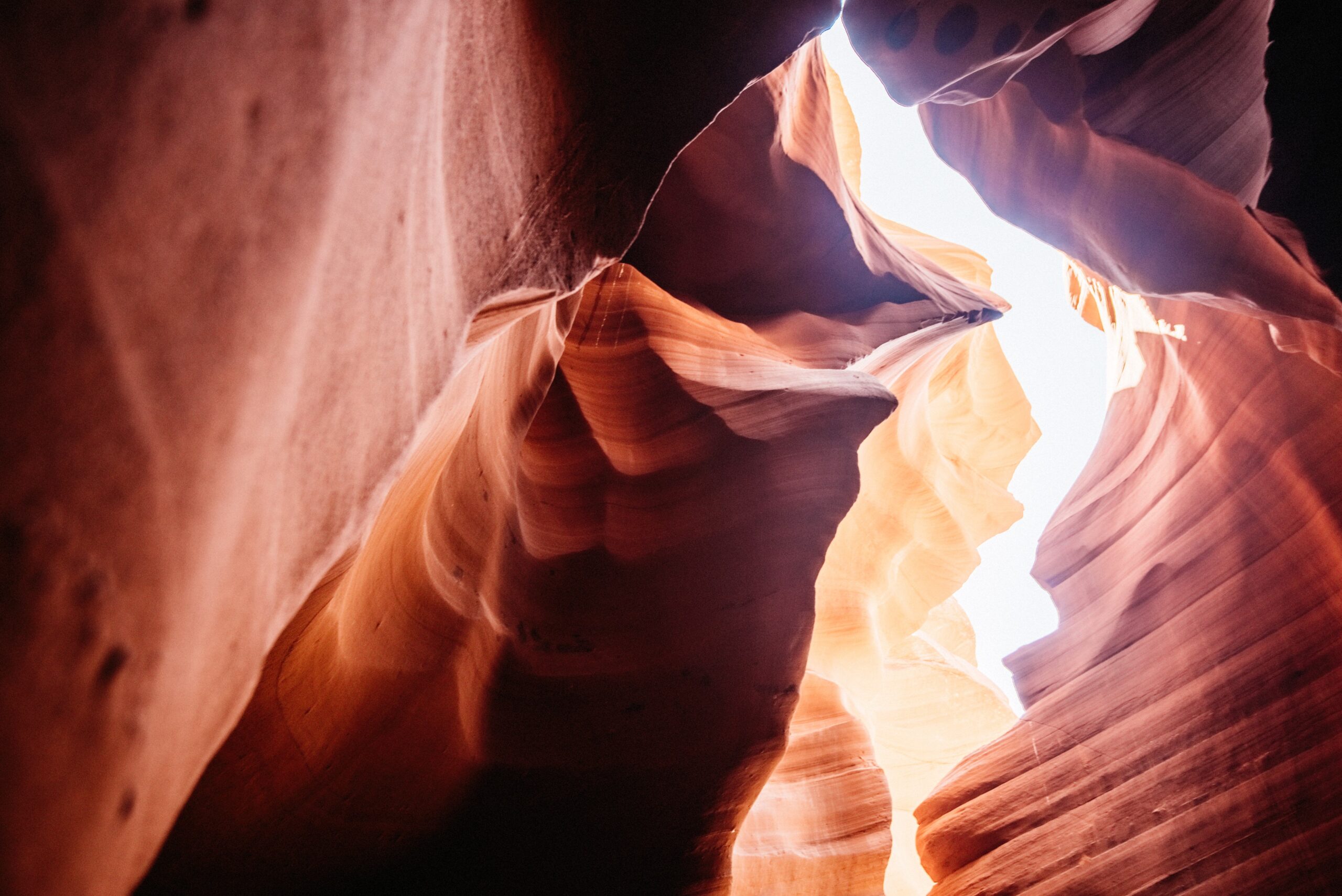
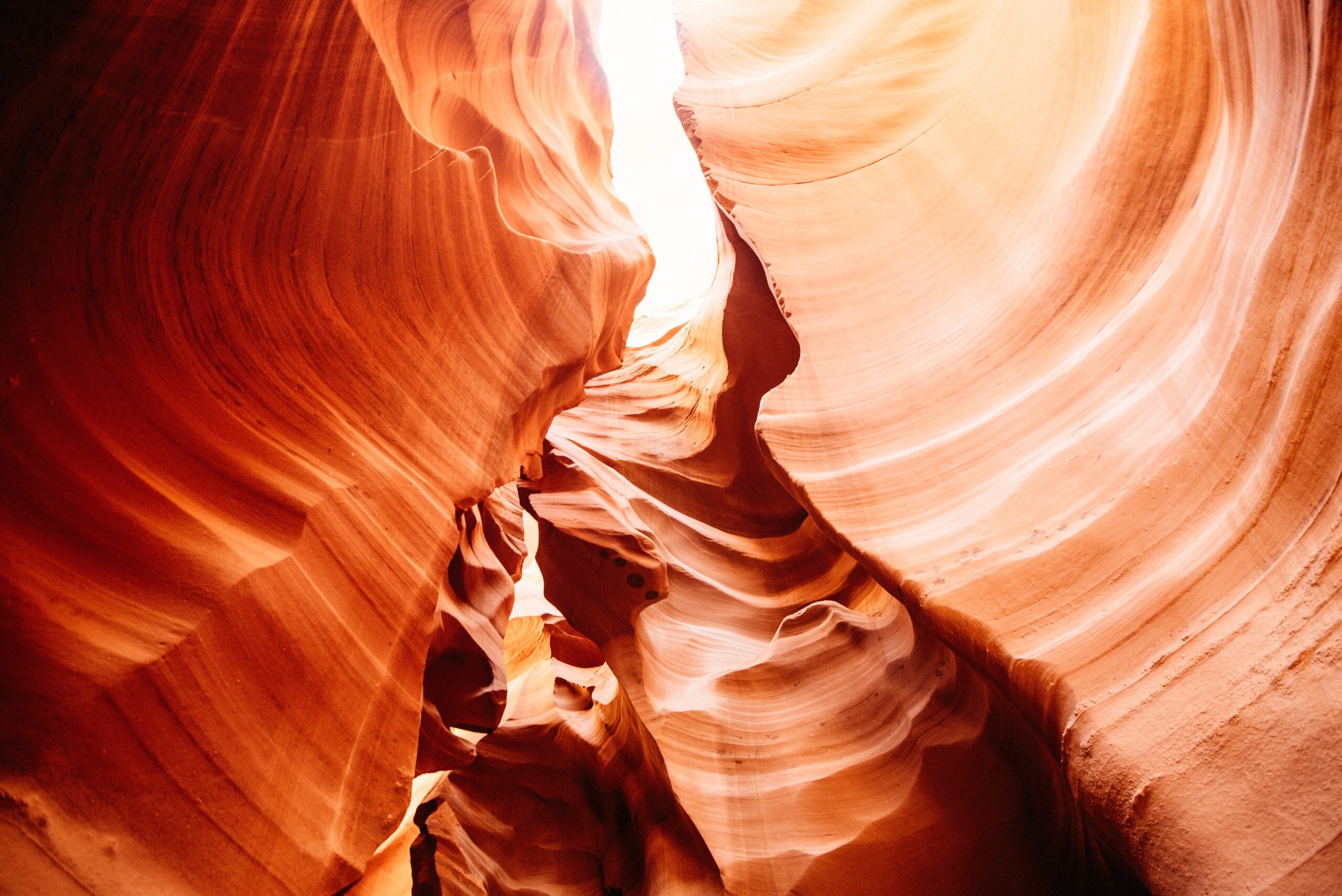
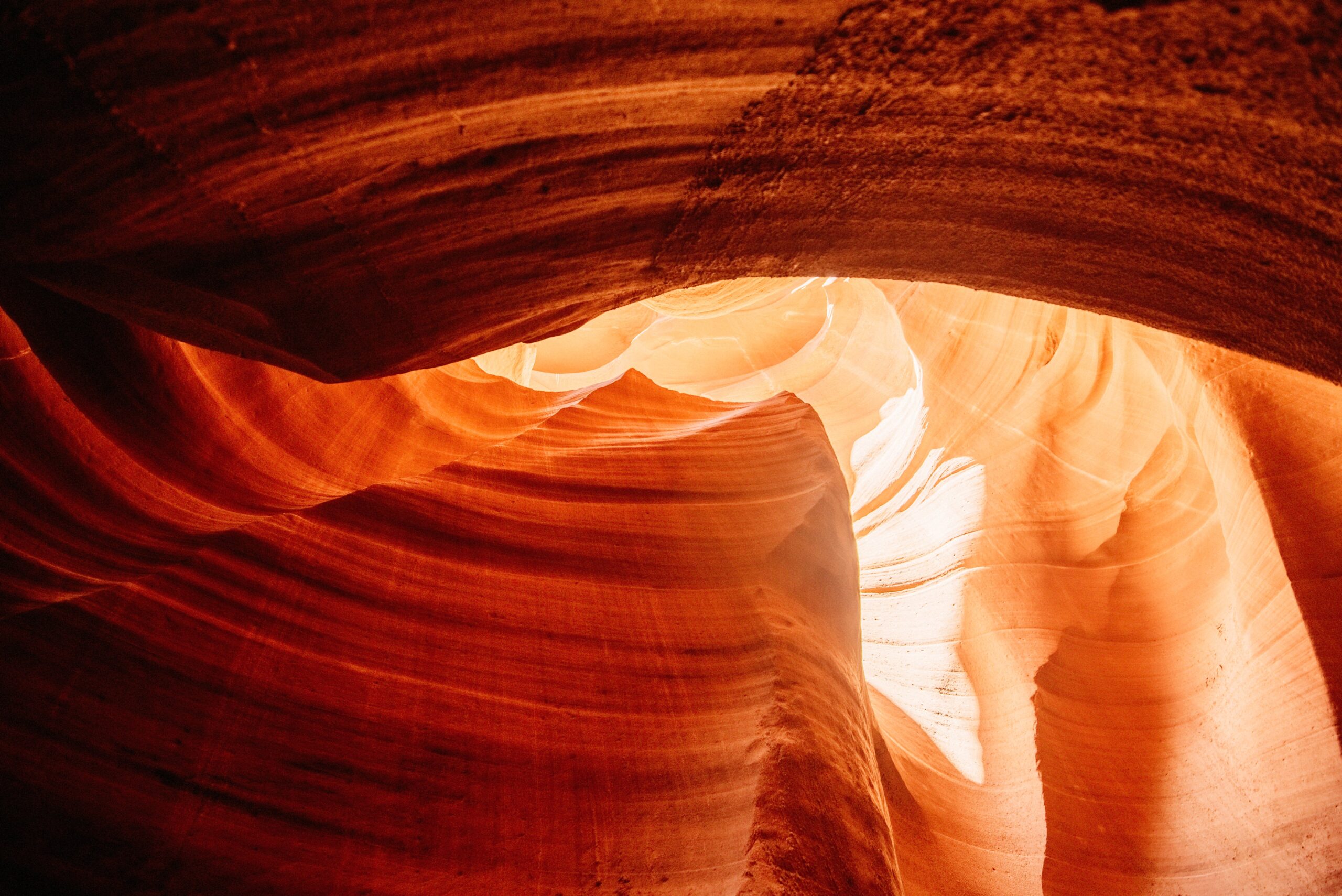
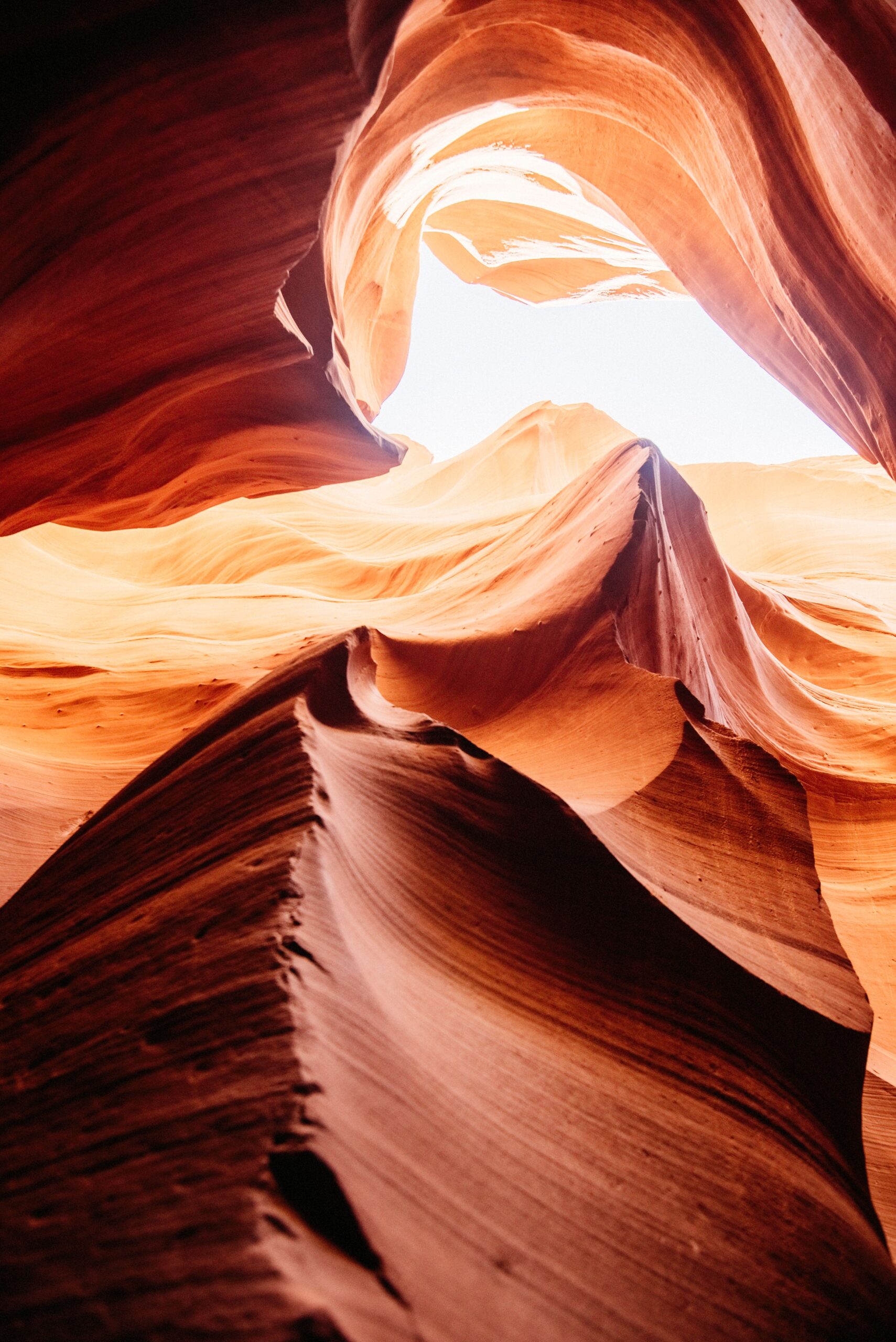
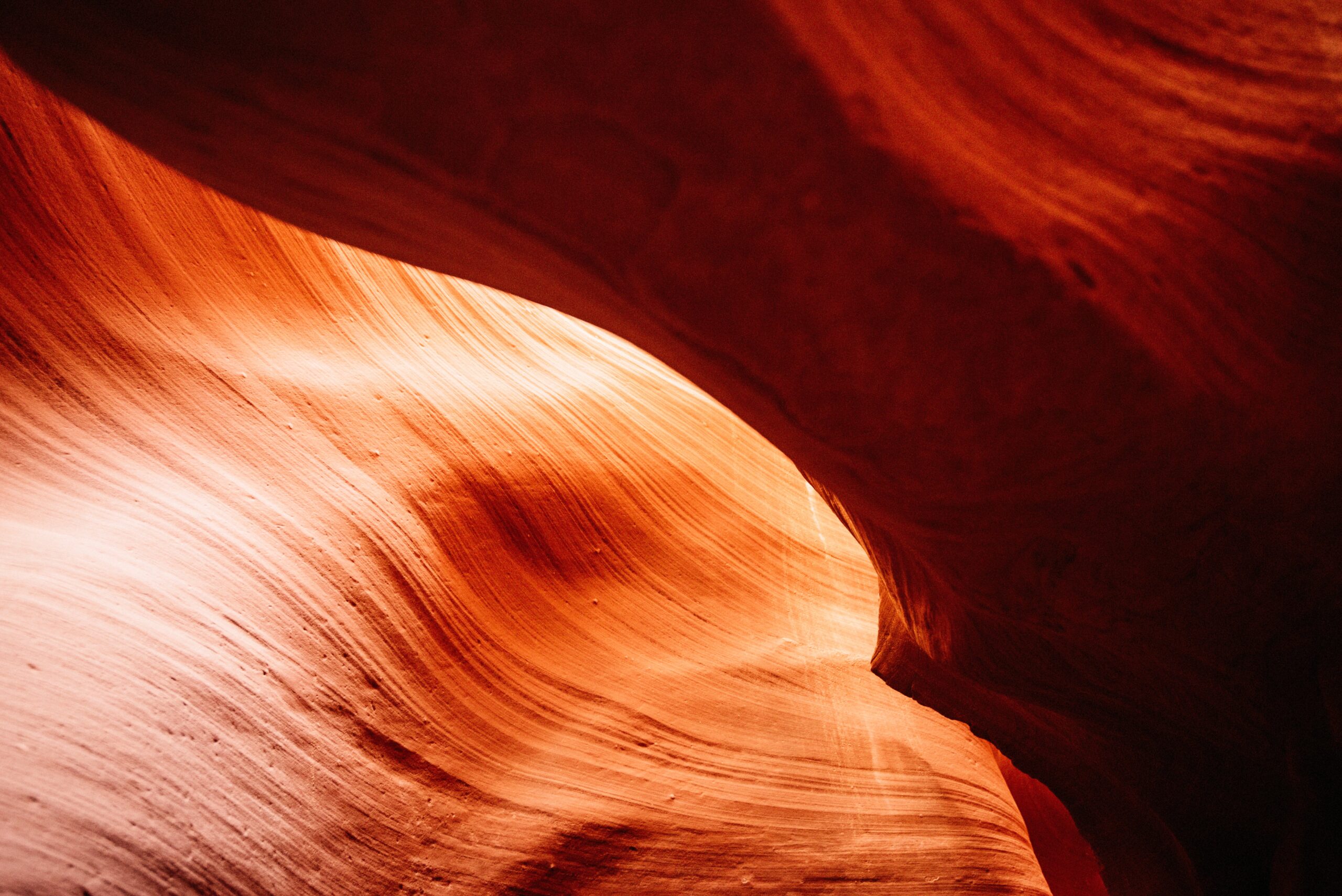
The sandstone itself was unmistakably beautiful. Curves, small openings and changing layers of orange and red appeared with every turn. The problem was not the canyon. It was the experience built around it.
When the photograph mattered more than the canyon
The guides knew the settings for almost every camera and phone. They adjusted colour modes so the walls appeared as intensely red, purple and blue as the photographs visitors had seen online. Other guests loved the result and called it magic.
It did not matter which camera brand or menu language somebody carried. The guide found the required setting within seconds. The canyon displayed shades of red on its own, especially with the sun high above it, but the famous pink, purple and blue version largely appeared on the screen after the settings had been changed.

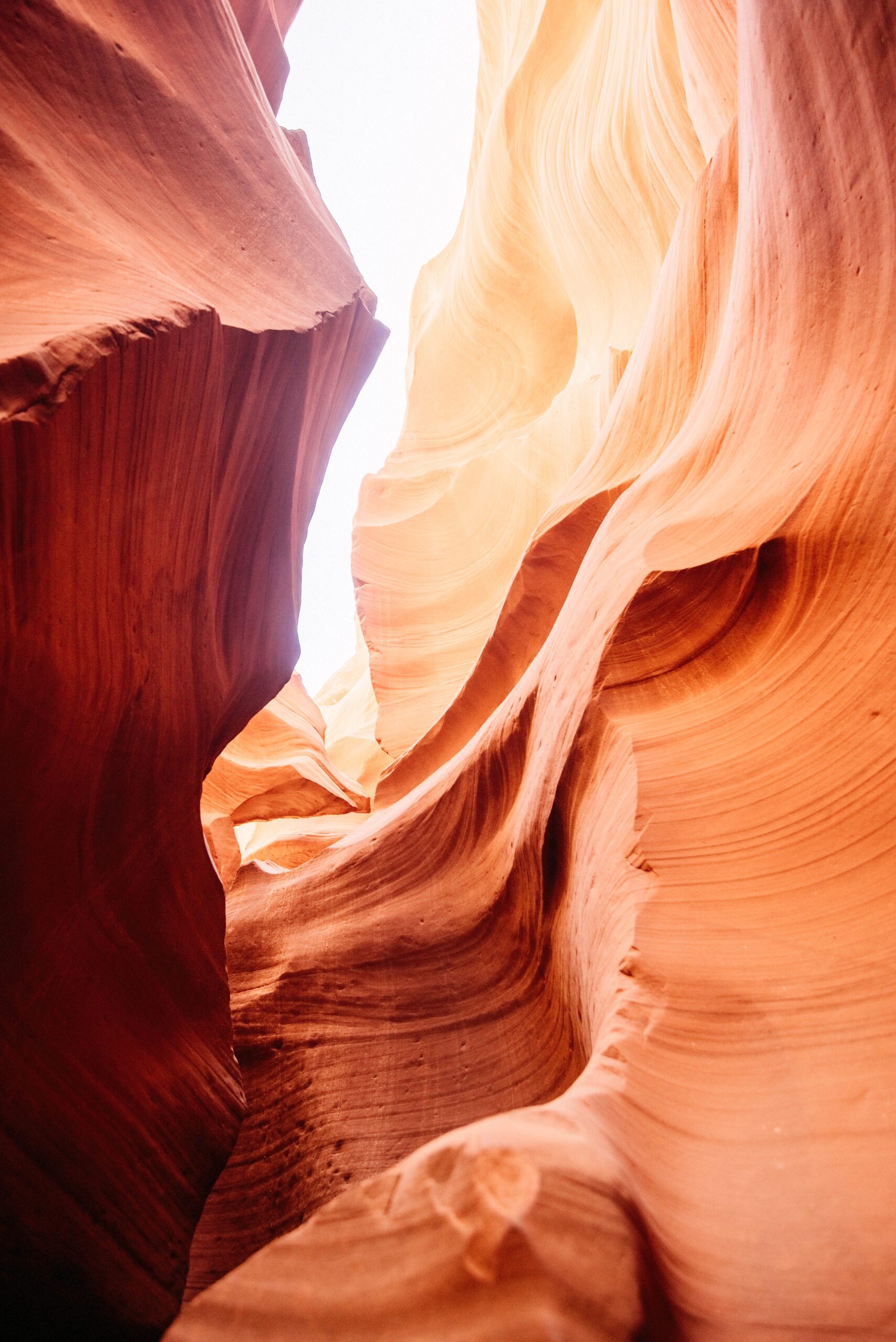
We had the opposite reaction. The canyon looked good without pretending the light produced colours that mainly came from a camera setting. Being moved from position to position in a crowd while everybody tried to recreate the same image made the place feel manufactured.
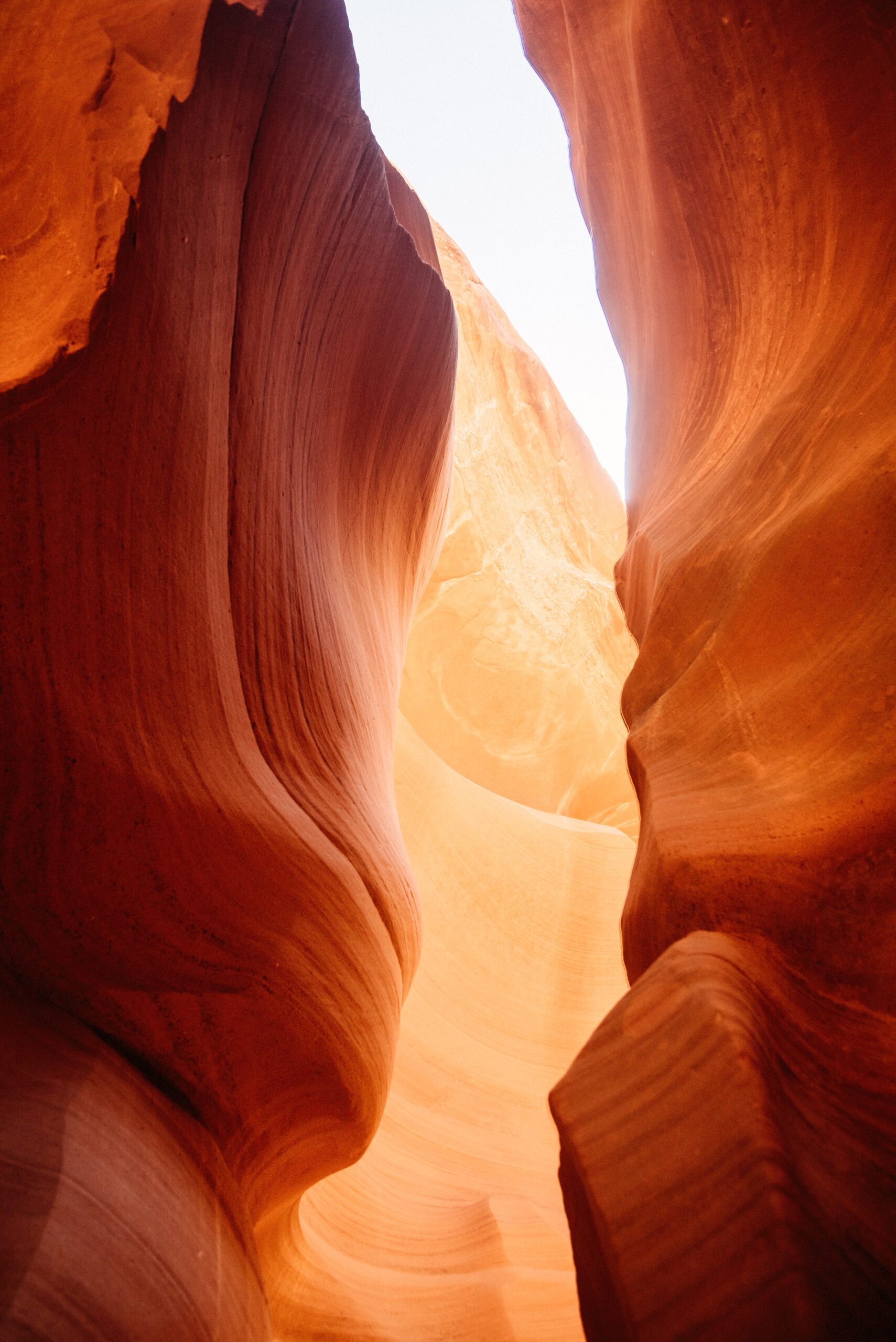
A beautiful place we would not revisit
Our tour group was small on paper, but several groups occupied the canyon at the same time. There was always another person behind the camera and another line waiting around the next bend. Anyone who dislikes tight spaces or crowds would find the combination especially uncomfortable.
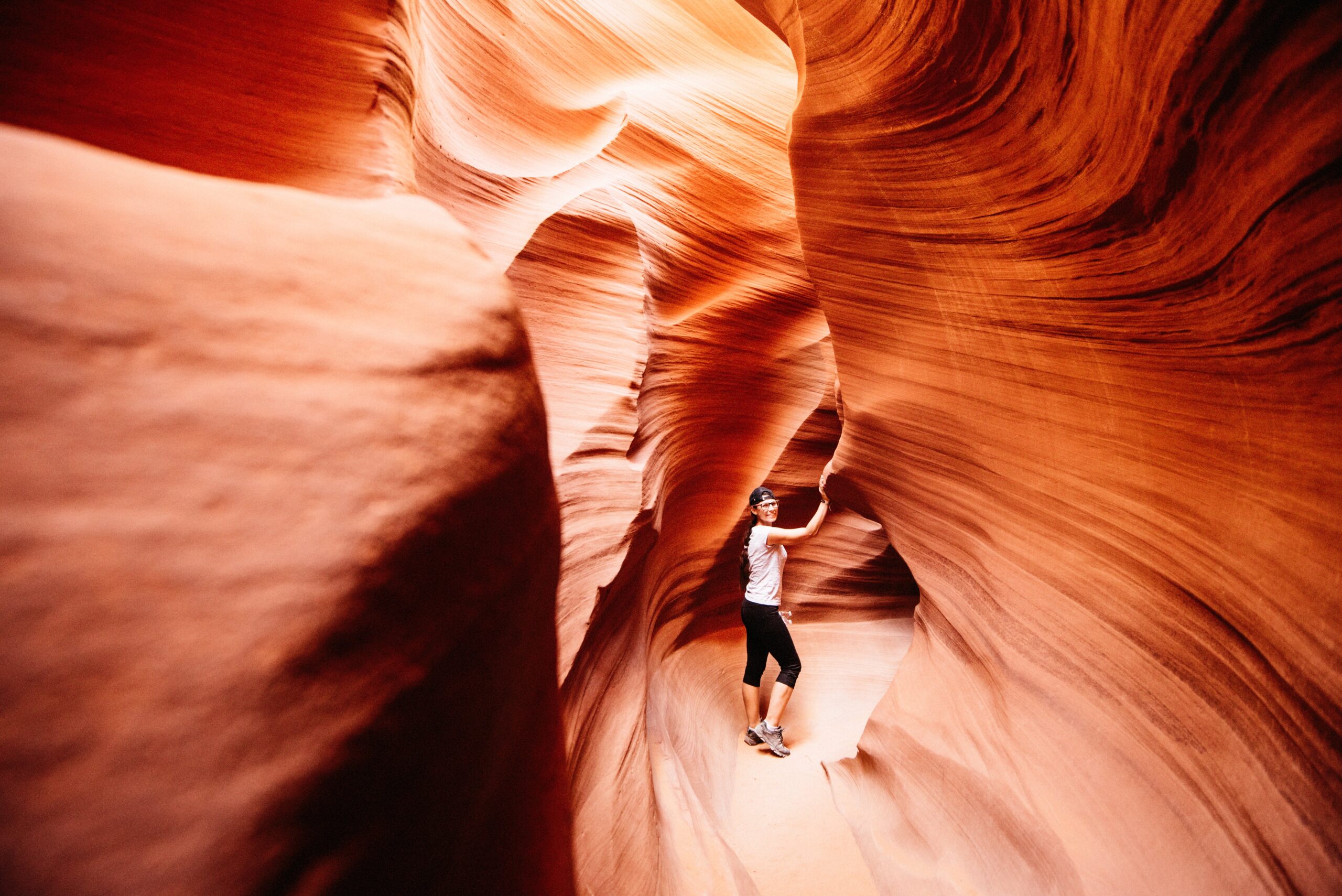
Our conclusion was that somebody would not miss very much by leaving Antelope Canyon off the route. The canyon itself was natural and beautiful, but it could only be visited as an organised product. Around USD 50 per person covered the tour, taxes and the Navajo fee, and what we received was mainly a guide who moved us through the crowd and set cameras to produce the expected colours.
We would rather have put the money towards the national parks of the Southwest. With the America the Beautiful pass, Bryce Canyon, Zion, Arches and Capitol Reef together cost us USD 80 per car. The National Park Service made a visible effort to conserve those places while still making them accessible.
If the goal at Antelope Canyon was sustainable tourism and protecting the land, letting thousands of people pass through every day did not make sense to us. From what we saw in 2018, it felt much more like a welcome source of money. Other guests were delighted with the tour; we were not.
We live in a fake world. Do we really have to fake nature as well?
Lake Powell and our Walmart campground
Before leaving Page, we stopped at Lake Powell for a swim. The day was warm, the water was not. We stood at the edge for about ten minutes before finally jumping into what felt like an ice bath.
The swimming place was around ten kilometres before Page and had a proper beach beside the reservoir. Our America the Beautiful pass covered the recreation-area entrance, so the only real challenge was convincing ourselves to get into the water.
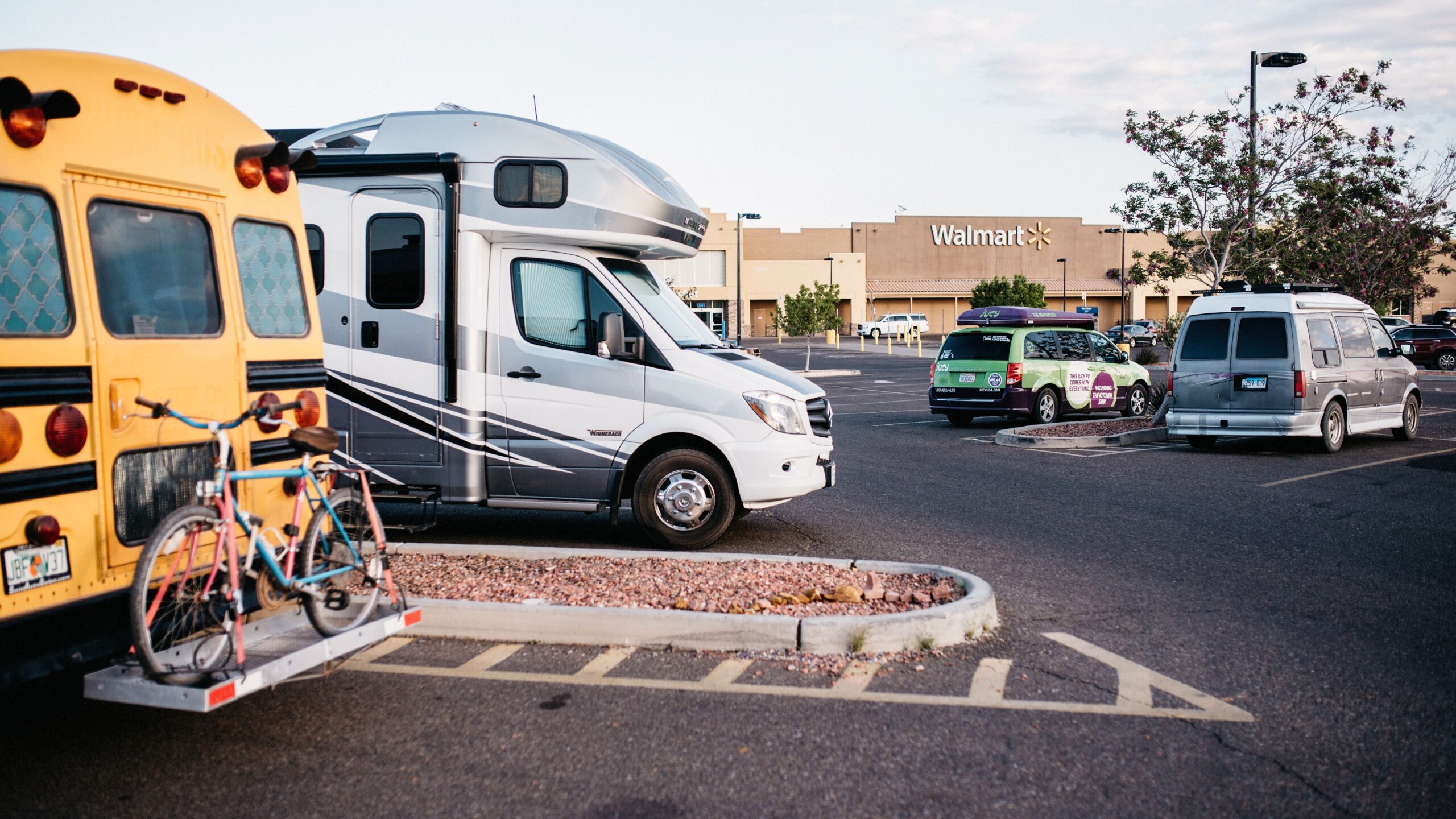
We spent the night at the Walmart car park in Page. By the afternoon it had transformed into an unofficial RV park, with some vehicles arranged as though their owners planned to spend an entire holiday there rather than one night.
Officially the store allowed travellers to stay for one night. Looking at the chairs, awnings and entire temporary households around some of the RVs, we had the impression that not everybody interpreted “one night” quite the same way.
Page gave us two famous stops and two opposite reactions. We would return to Horseshoe Bend with realistic expectations about the crowd. We would leave Antelope Canyon to travellers who valued the guided photography experience more than we did.
If you still want to visit after reading about our experience, you can check current dates and prices for a guided Lower Antelope Canyon tour on GetYourGuide.*
*Affiliate link: We may receive a commission if you book through this link.