
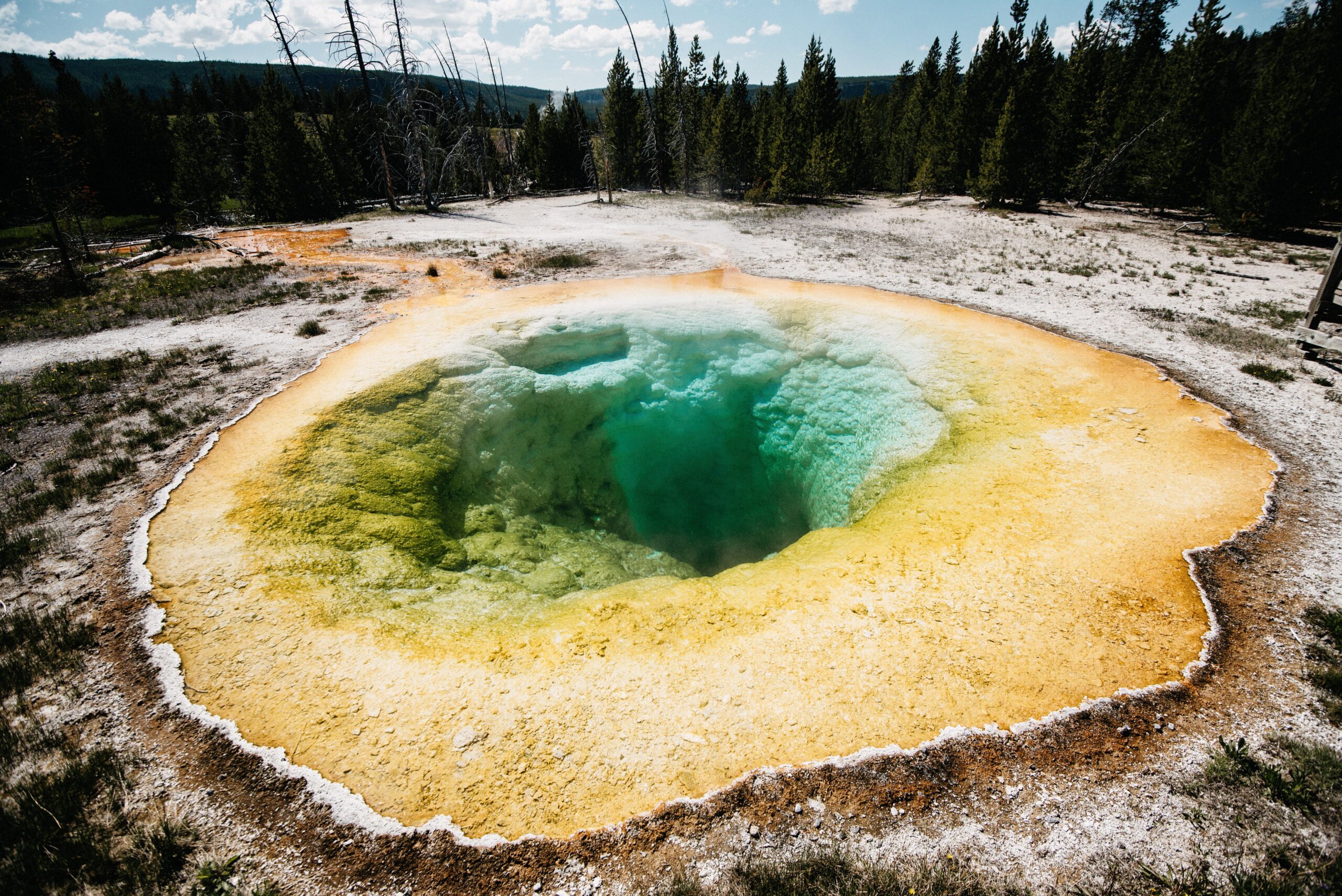
Yellowstone was one of the strangest and most diverse national parks we visited in the United States. Mountains, lakes, waterfalls and wildlife would already have been enough. Then the ground also bubbled, steamed and smelled of sulphur.
We had two nights and roughly two and a half days before continuing to Grand Teton. That was enough for both main loop roads, but it was the absolute minimum. Three full days would have made the park much more relaxed and left room for another hike.
In 2018 the entrance fee was USD 35 per car for seven days, and our America the Beautiful pass was accepted. Yellowstone contains an extraordinary concentration of geysers and geothermal features, but the size of the park meant that every area still required a considerable drive.
Arriving from Glacier National Park
Yellowstone was not conveniently close to anything on our route. We drove about eight hours from Glacier National Park via Bozeman and stayed in West Yellowstone. It was a practical base with motels, restaurants, grocery stores and fuel, although nothing there felt particularly cheap.
Early June turned out to be a very good time. The roads and major sights were open, the weather was excellent and the crowds were still manageable. Mount Washburn remained closed because of snow, so that hike had to stay on the list.
The reliable travel season was short. Between June and September the chance of road closures was lower, but those four months also concentrated almost all visitors. Early June gave us a useful compromise; late September would probably have offered a similar one at the other end of the season.
Yellowstone had five entrances: north near Gardiner and Mammoth Hot Springs, northeast towards Lamar Valley, east over Sylvan Pass, south towards Grand Teton and west at West Yellowstone. The western entrance worked best for us because our accommodation was there and the town provided the infrastructure we needed.
There were visitor centres at Old Faithful, Canyon Village, Mammoth Hot Springs, Fishing Bridge and outside the western entrance. Old Faithful had the most extensive geothermal exhibition and showed the park film, but it was also the busiest place to stand in line merely for a map. For basic information, we used whichever centre was closest.

Starting the Upper Loop
We used our first full day for the Upper Loop. On the way to Norris Geyser Basin we stopped at Gibbon Falls and Artists Paintpots. Neither was the largest attraction in Yellowstone, but both were a good introduction before the geothermal landscapes became bigger and stranger.
The park roads form an Upper and a Lower Loop, and there was no realistic way to cover both properly in one day. Anyone with only a single day would see more of the major sights on the larger Lower Loop. With two and a half days, we could give one day to each and use the remaining time on the route south.

Norris Geyser Basin
Norris was one of the densest geothermal areas in the park. We walked both boardwalk loops, which took about two hours and led past springs, geysers, pools and fumaroles. The sulphur smell was special for the first few minutes. After that we mostly stopped noticing it.
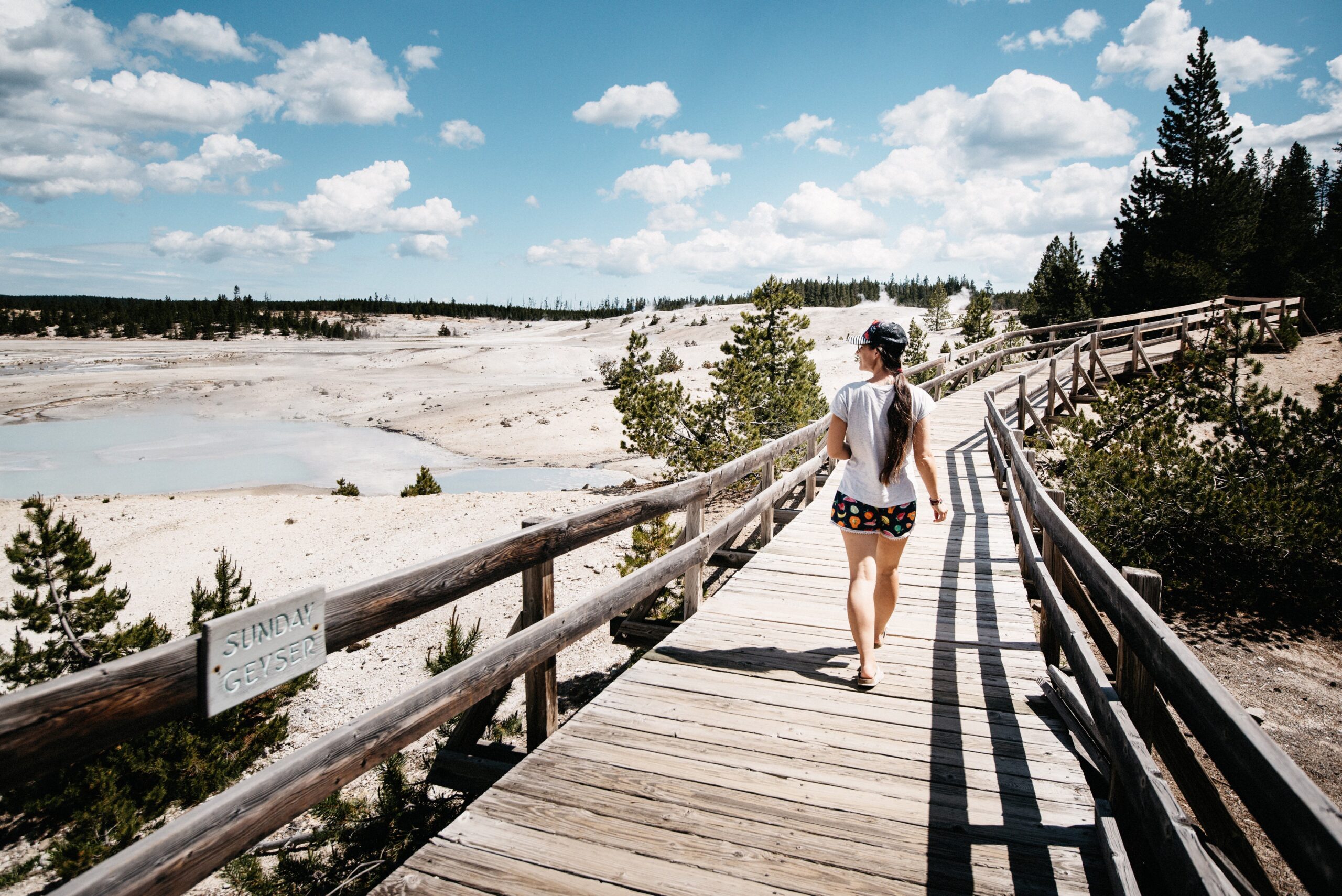
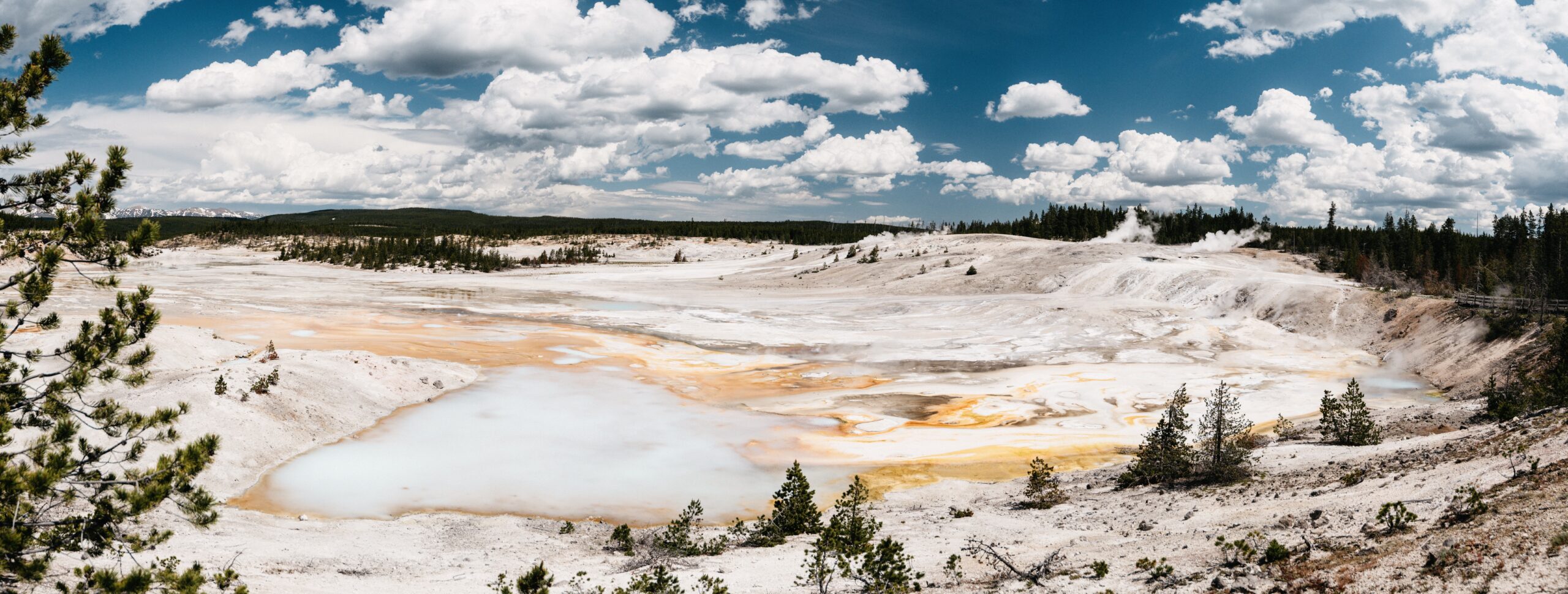
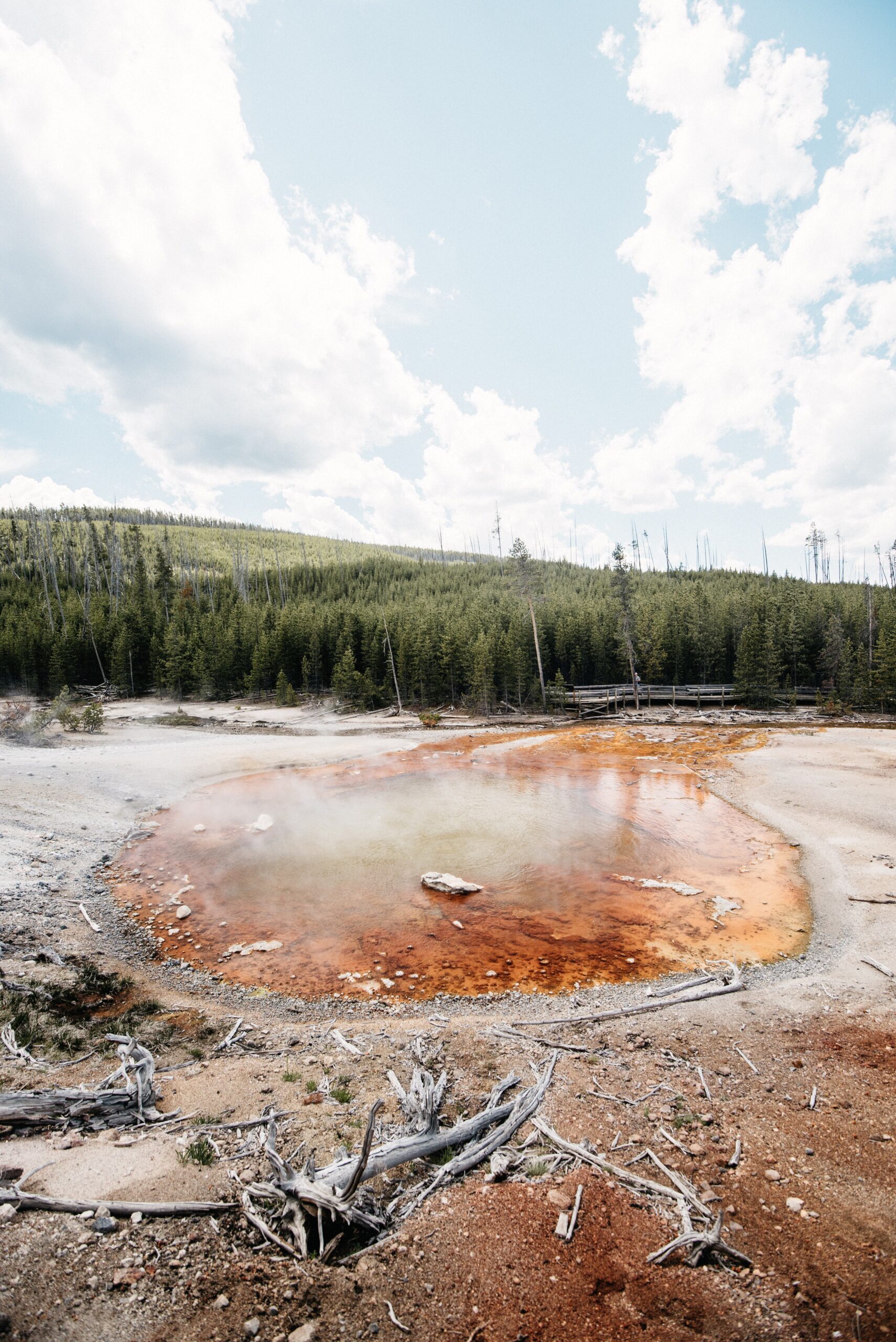
The landscape changed every few metres. Some pools were clear and intensely blue, others looked milky, yellow or almost metallic. Boardwalks crossed ground that appeared too thin and active to step on anywhere else.
Mammoth Hot Springs and Lamar Valley
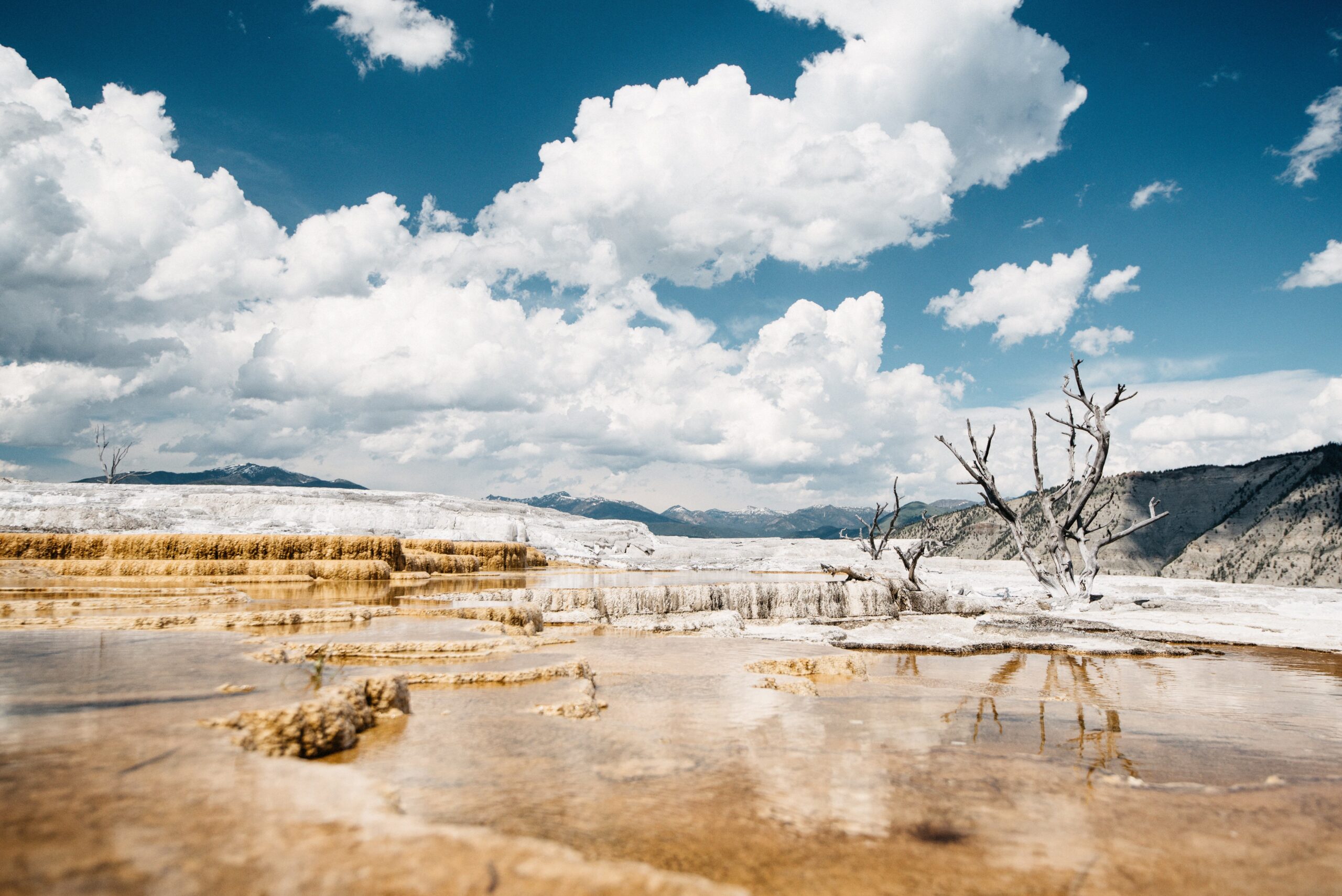
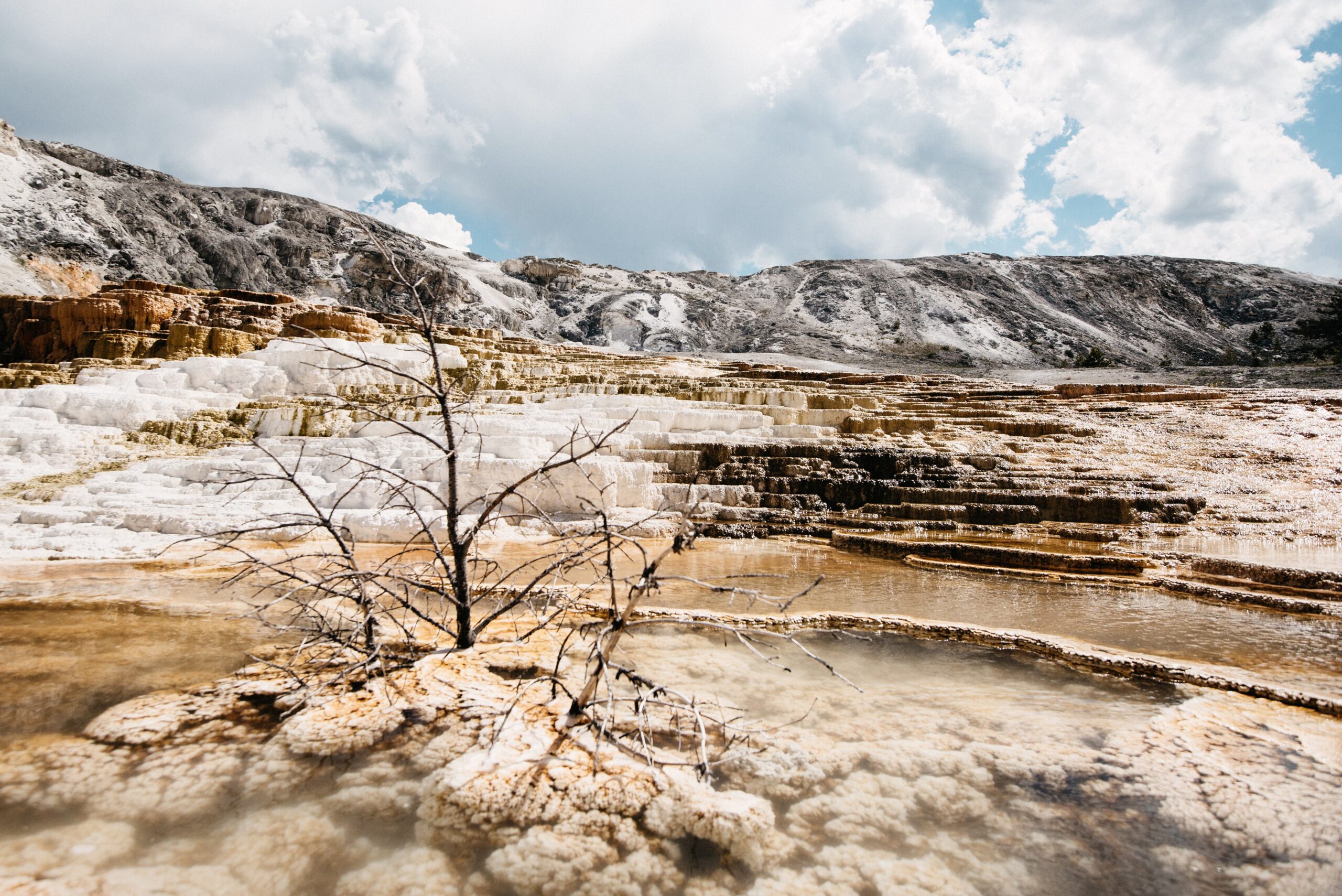
At Mammoth Hot Springs we combined the Upper Terrace Drive with the Lower Terraces on foot. The lower section was our favourite. Its pale, dry-looking formations reminded us unexpectedly of Sossusvlei and brought Namibia back into the middle of Wyoming.
We continued towards Lamar Valley because its flat grassland made wildlife easier to spot. We did not see a moose, but we were luckier in another way: in the distance, a bear moved through the valley with her cub. Nobody needed to get closer. Watching from a safe distance was exciting enough.
Beyond Lamar Valley, the road continued towards the Absaroka Range at Yellowstone’s northeastern edge. The mountains added an alpine landscape to a day otherwise dominated by terraces, geysers and open grassland. The extra drive was worthwhile when there was enough time after looking for wildlife.
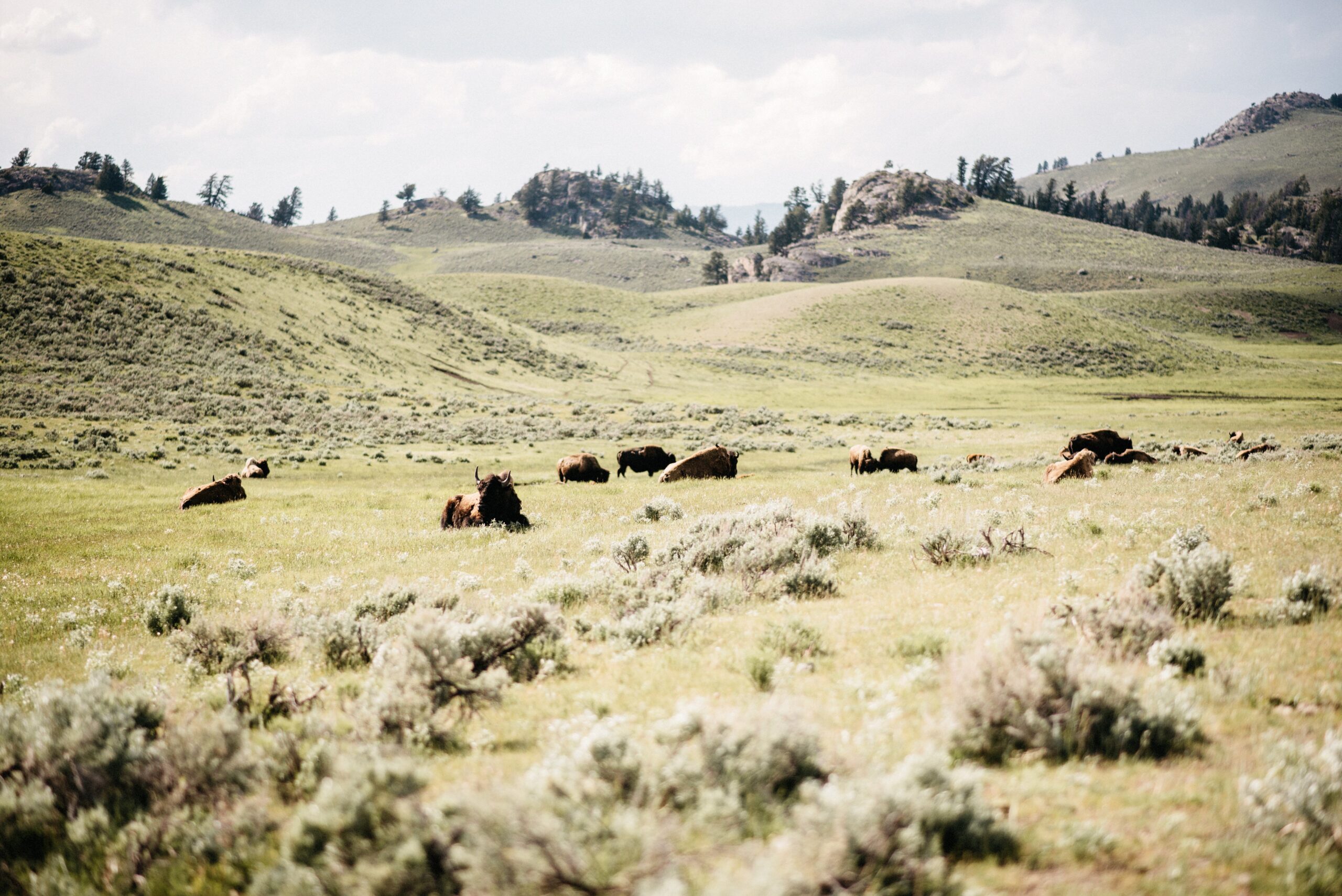
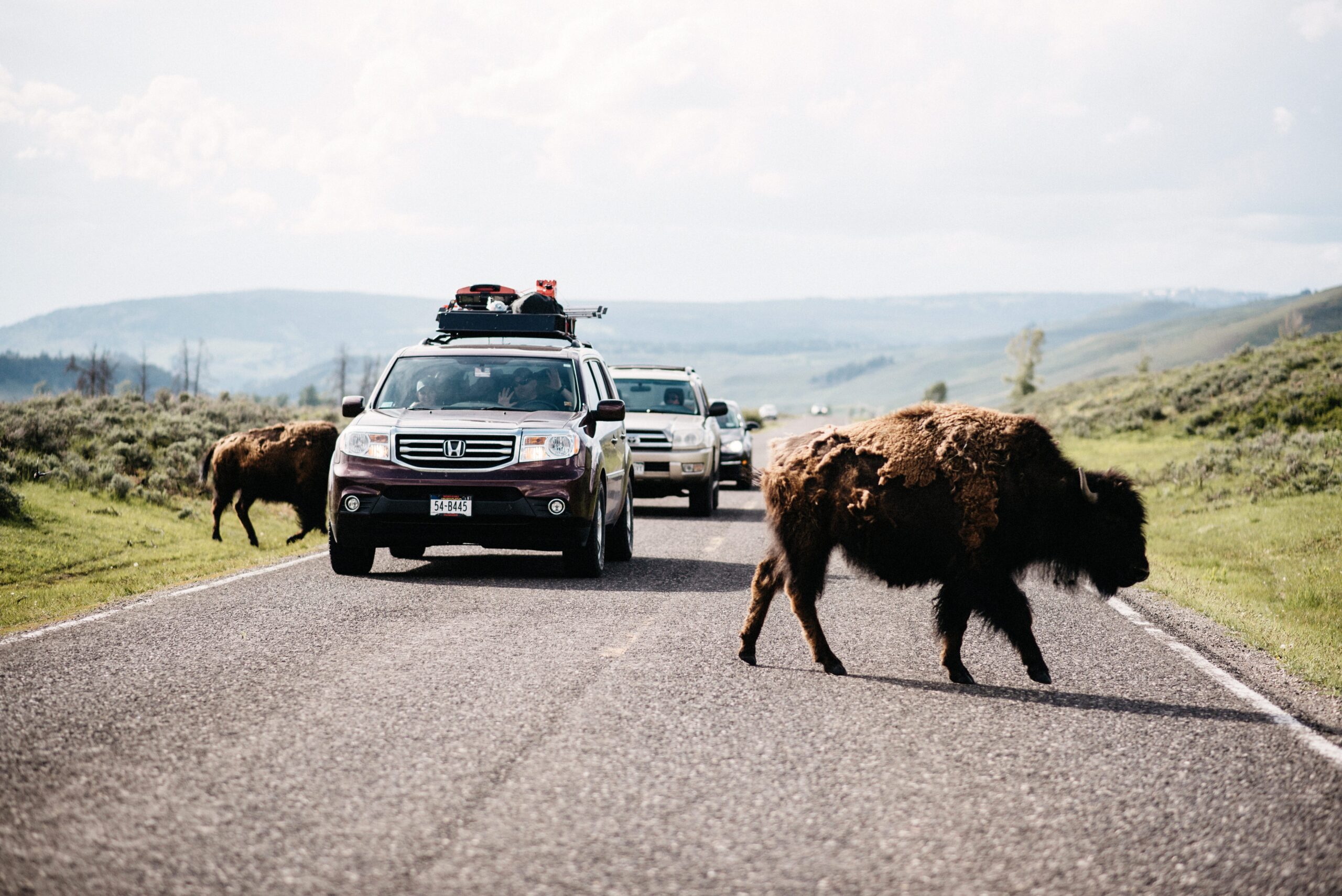
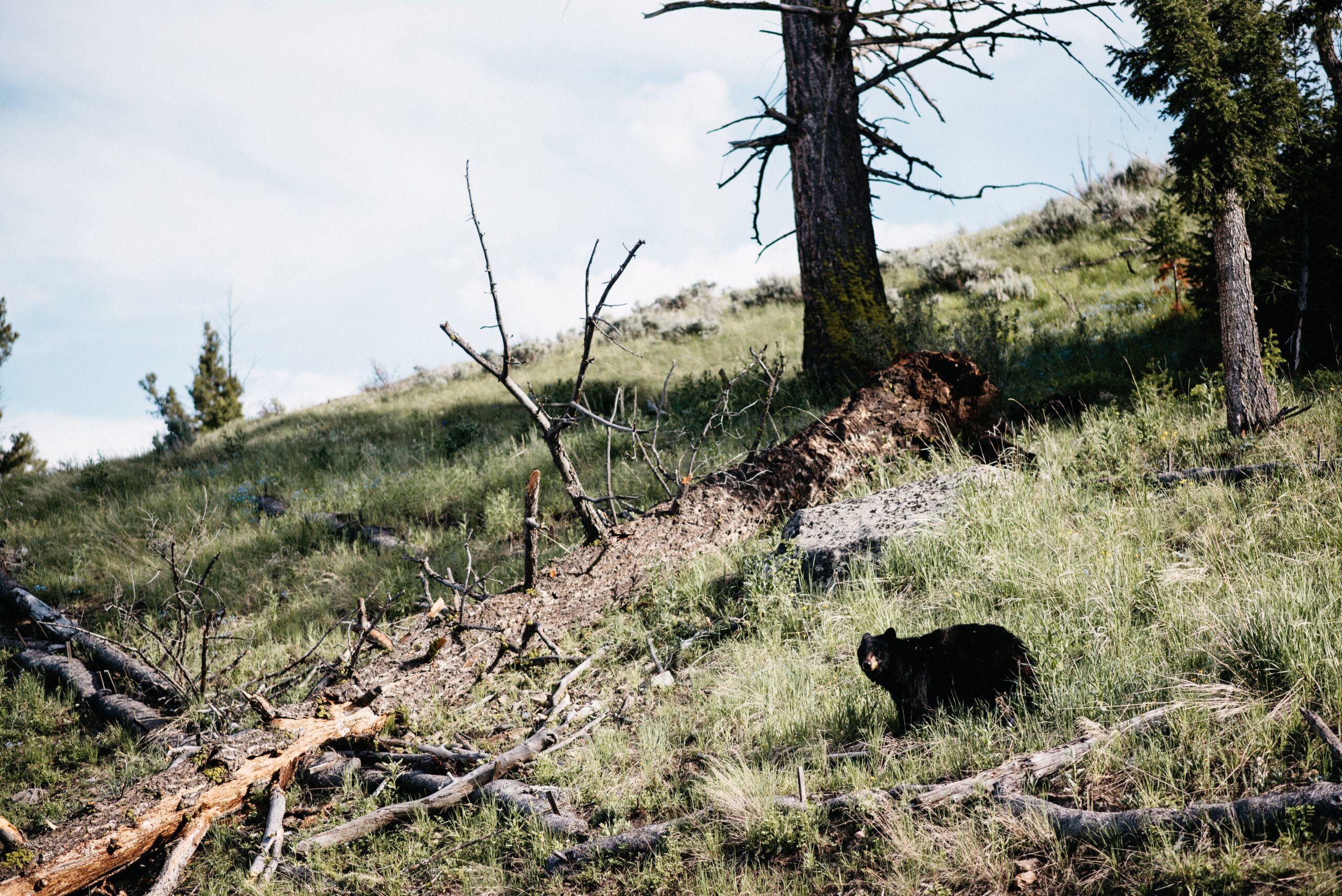
Bison were much less subtle. They grazed beside the road, crossed whenever they wanted and regularly stopped traffic. Yellowstone made it very clear that the animals were not visiting our route. We were driving through theirs.
However good the photograph might have looked, approaching or feeding wildlife was never an option. The distance protected us as well as the animals. A bear with a cub and a bison standing beside the road did not need tourists moving closer for scale.
The Grand Canyon of the Yellowstone
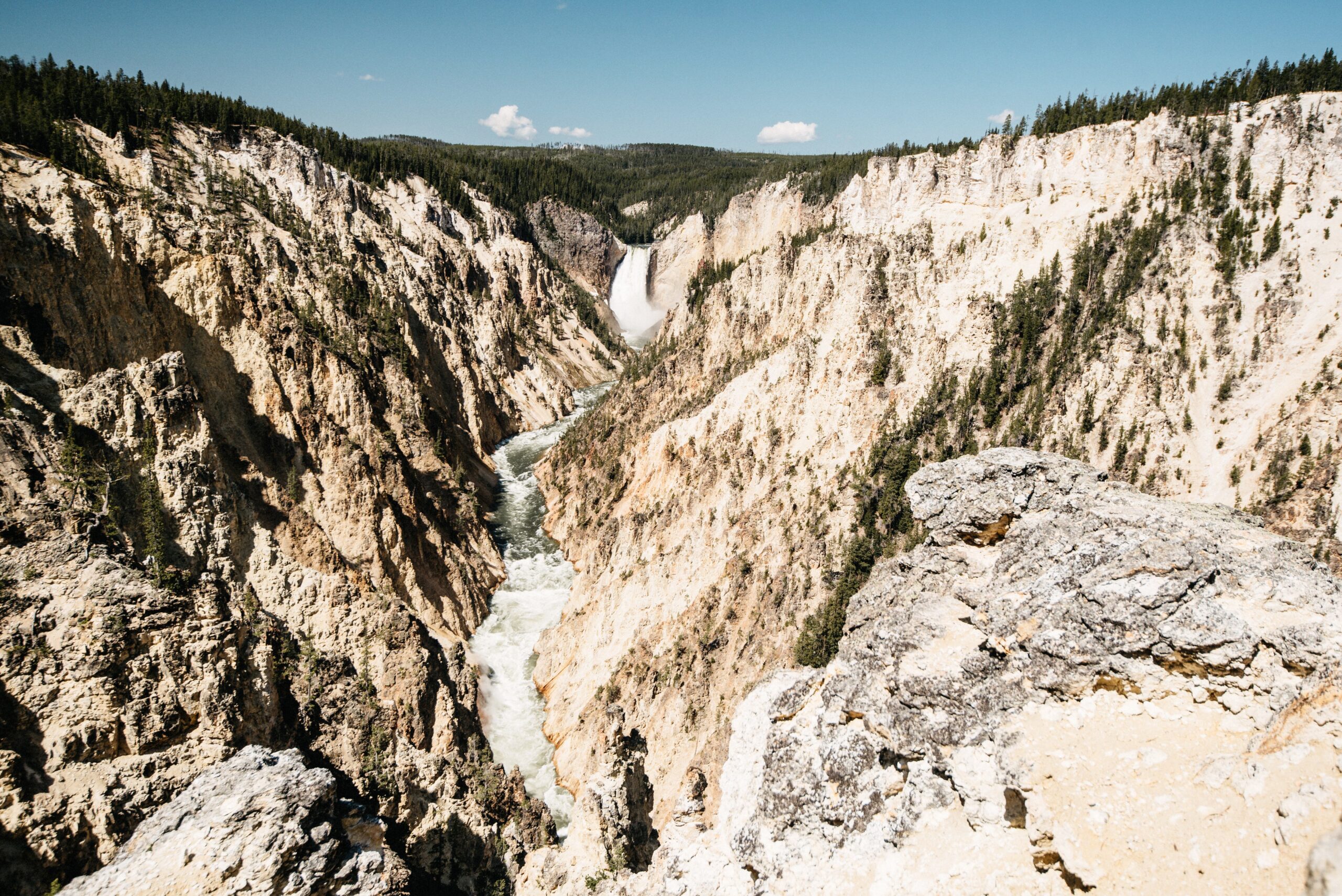
We explored the canyon from both the North Rim and South Rim drives. The yellow and orange walls, river and waterfalls created a completely different landscape from the geyser basins. It was not the Grand Canyon in Arizona, but it did not need to be.
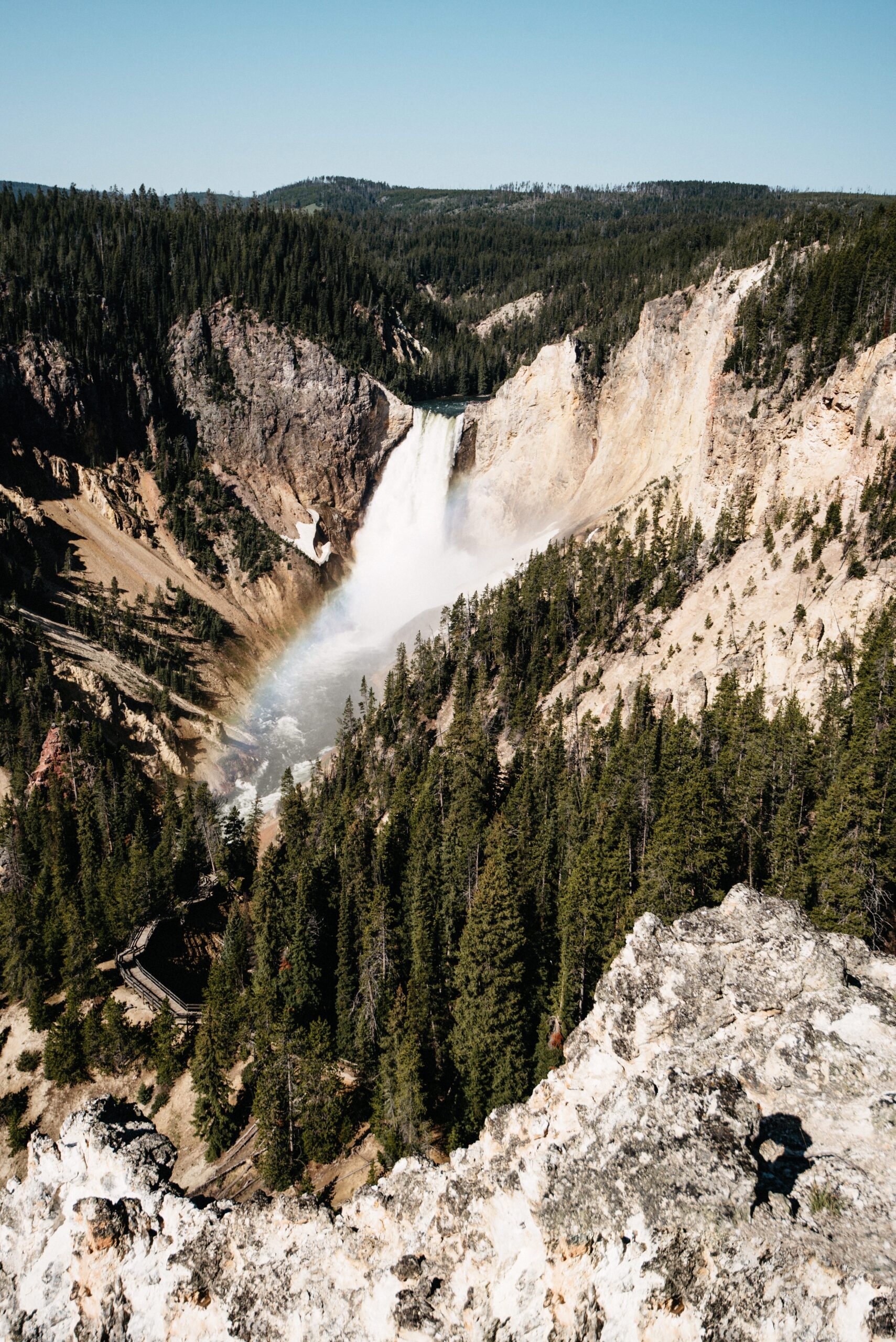
Artist Point provided the classic view and, naturally, attracted the largest crowd. Uncle Tom’s Trail was closed for construction during our visit, so we stayed with the open viewpoints and continued around the Lower Loop.
Yellowstone Lake and West Thumb
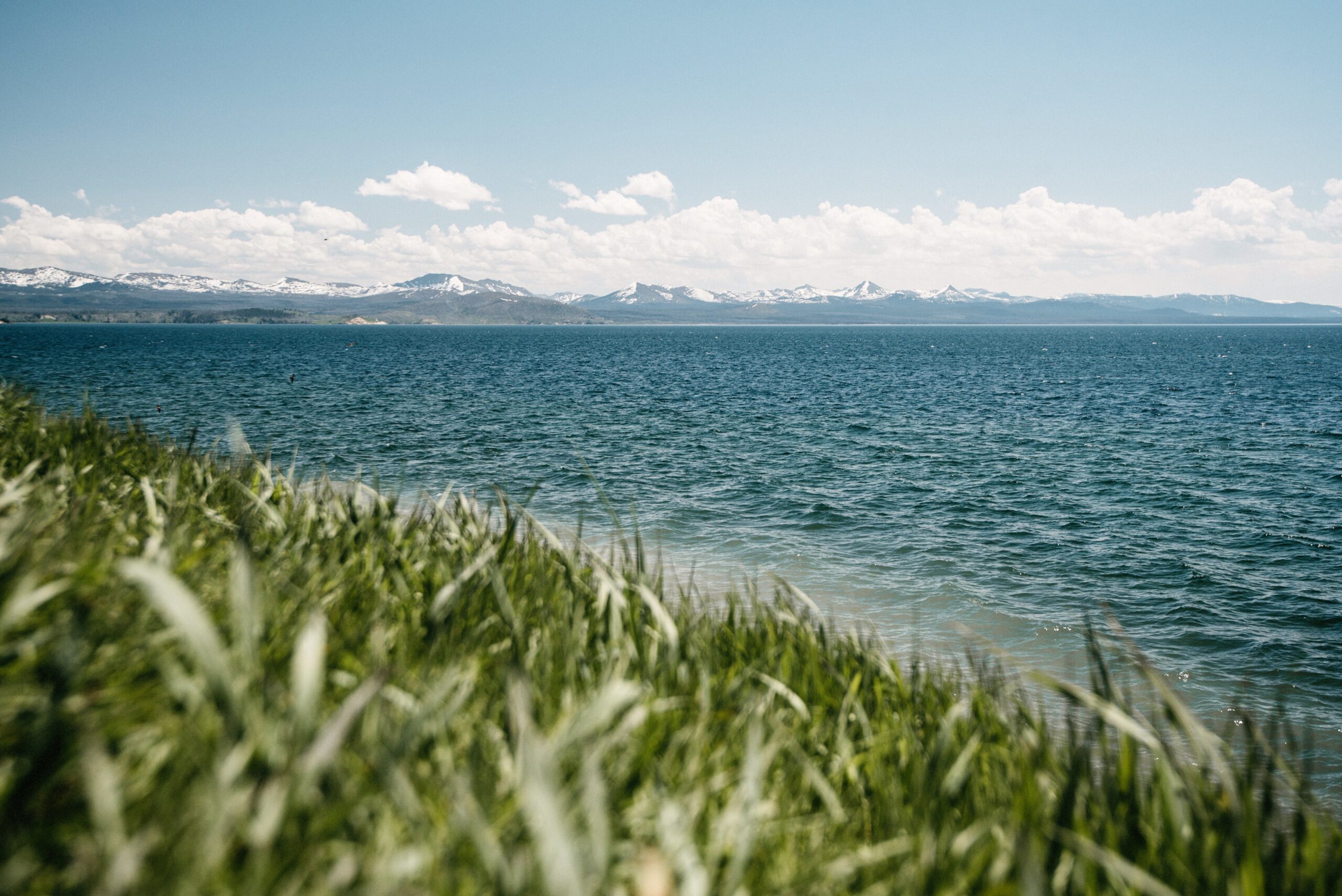
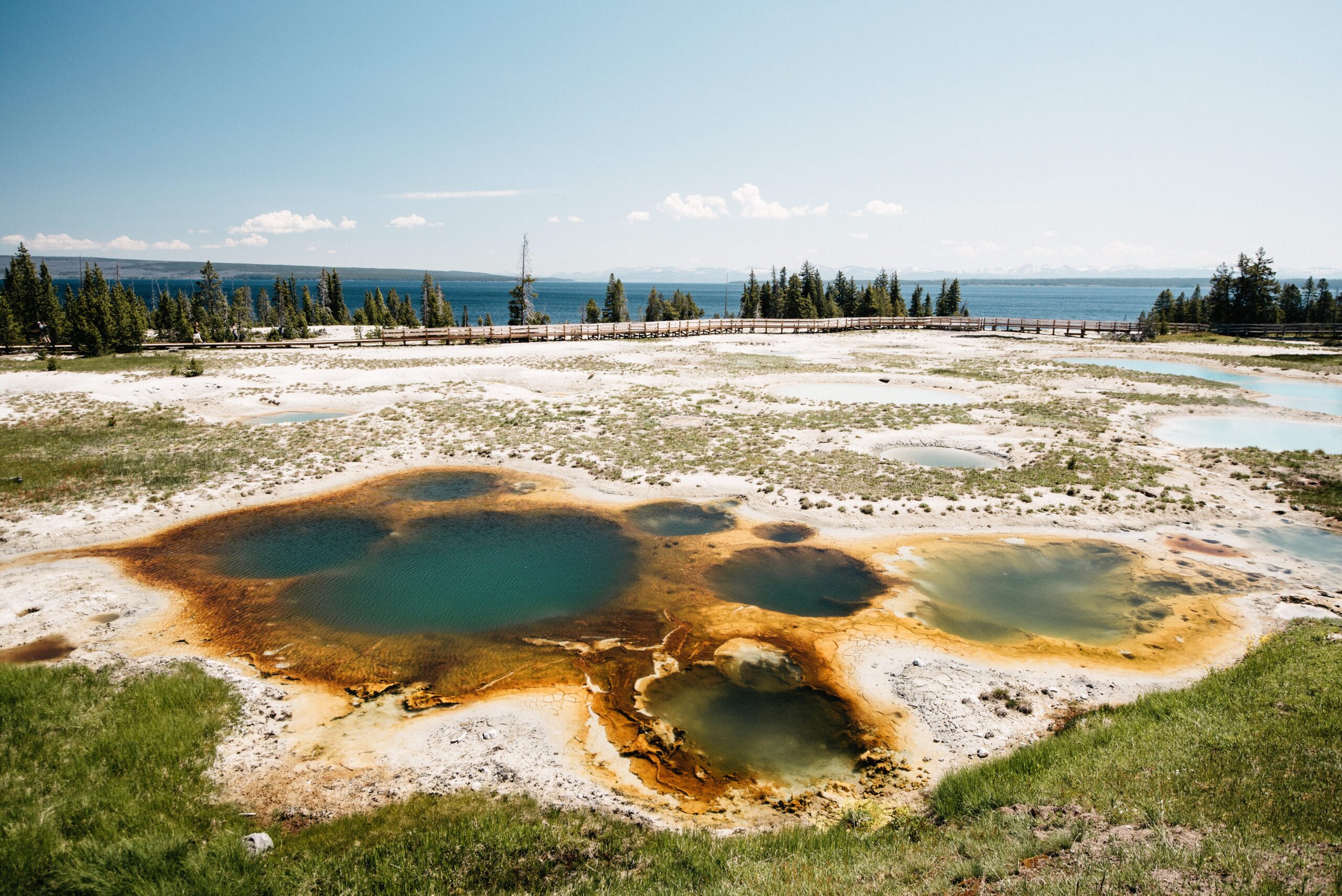
West Thumb Geyser Basin placed the geothermal features directly beside Yellowstone Lake. After hours of steam and crowds, the open water made the park feel calm for a moment. We also stopped at Lake Village and had lunch at the lodge, where prices were more reasonable than we expected.
Yellowstone Lake lies partly within the Yellowstone Caldera, but unlike the wording in our unfinished notes it is not simply another Crater Lake above an extinct volcano. The geothermal activity around West Thumb made that very clear. It was a place to look across the water, not a lake where we considered swimming.
Old Faithful and Morning Glory Pool
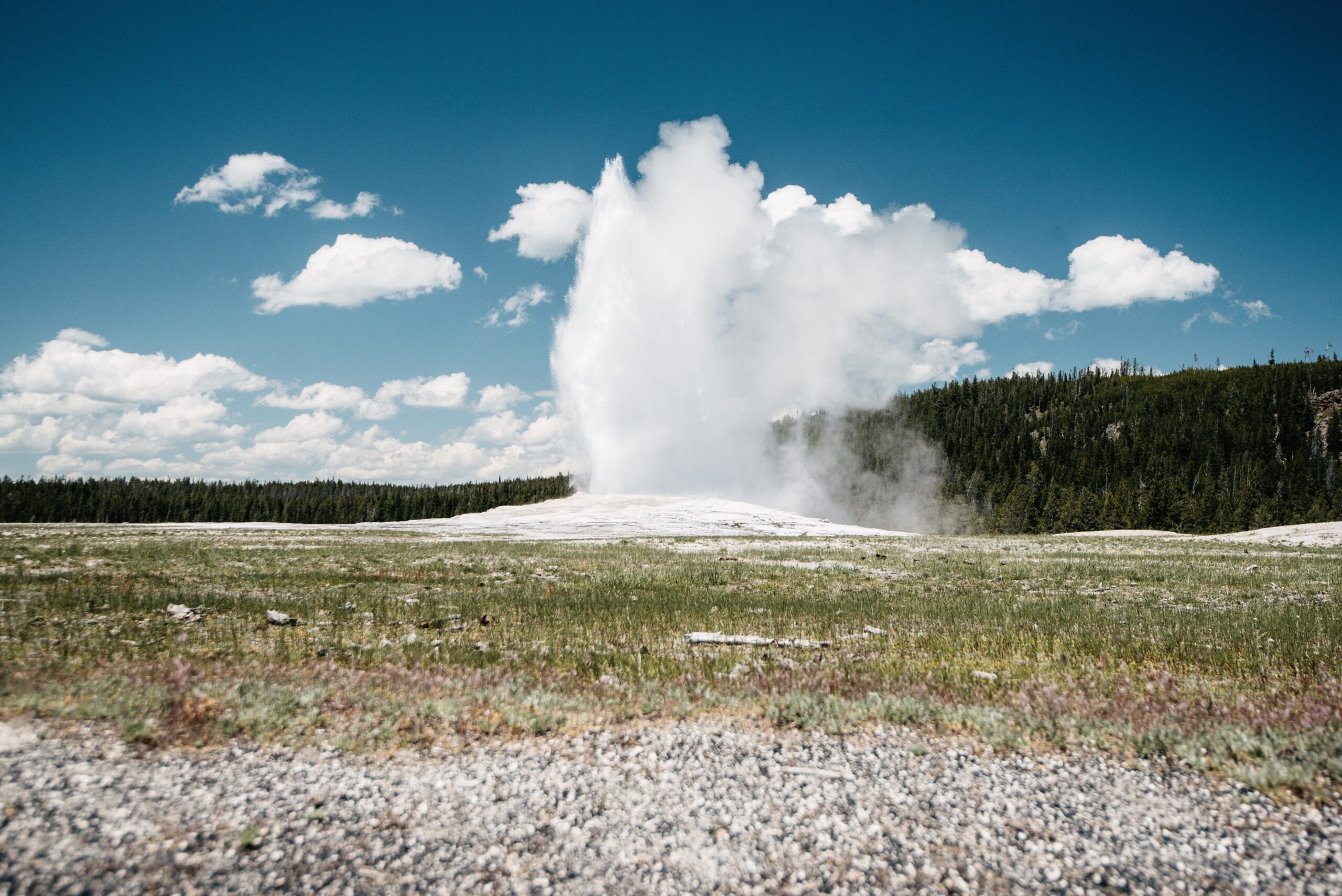
Old Faithful was the most organised natural spectacle in the park. The expected eruption time was displayed at the visitor centre, and hundreds of people gathered around the geyser before each one. It was busy, but the eruption was still worth waiting for.
The geyser erupted roughly every hour and a half, although the exact prediction changed after each eruption. The times were available at the visitor centre and online, which made it possible to walk part of the boardwalk instead of spending the entire interval on a bench.
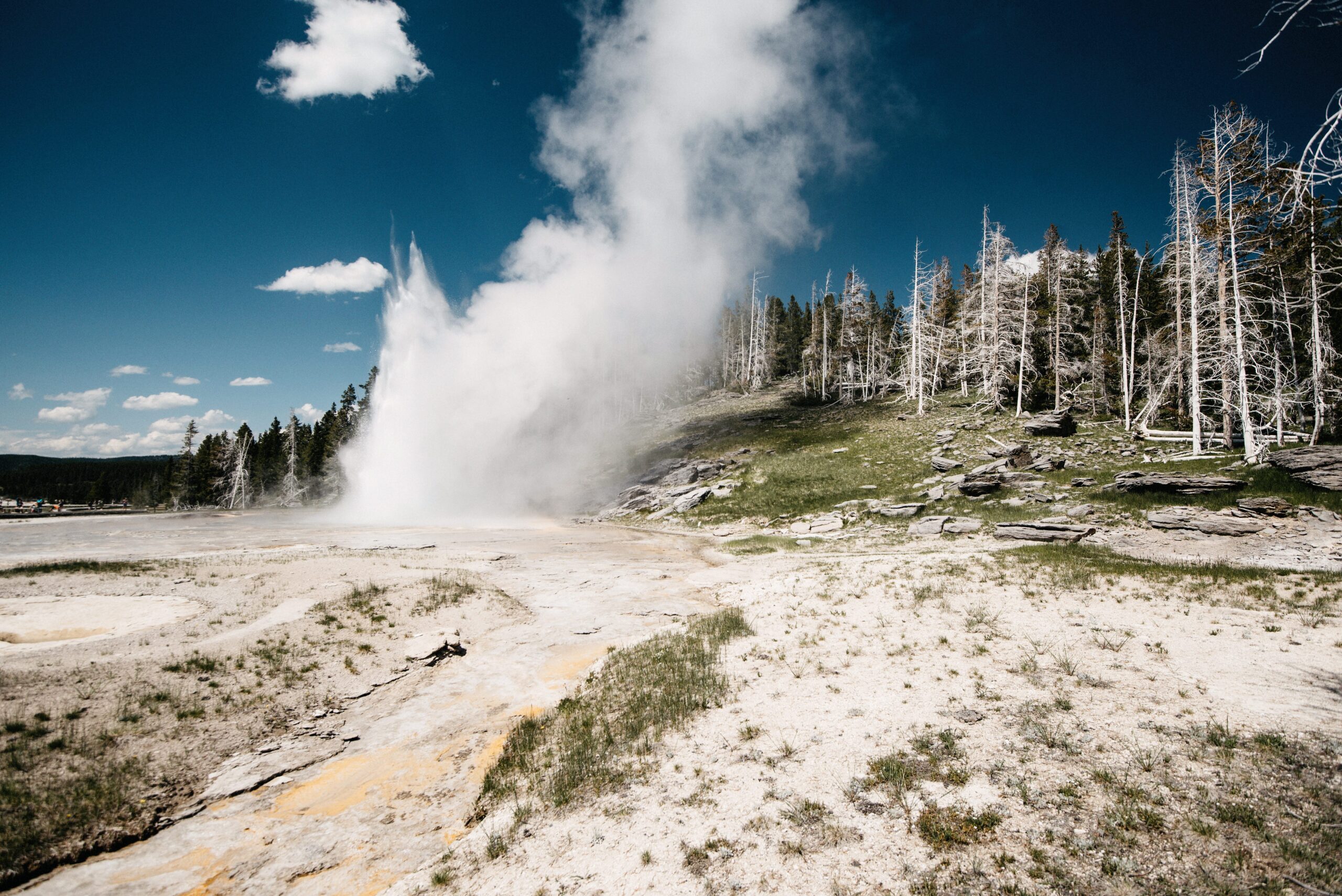
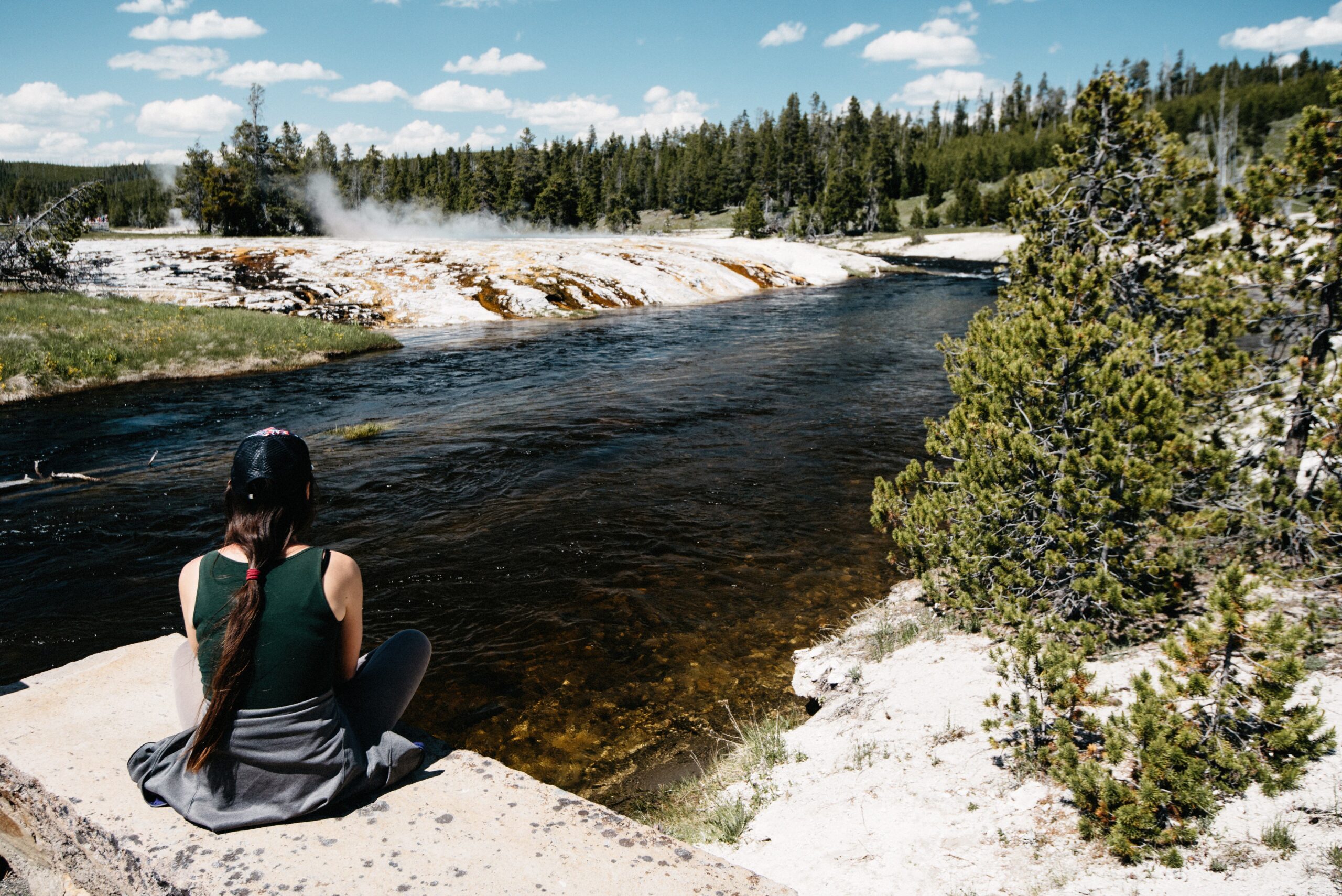
We did not leave after the eruption. The boardwalk continued through one of Yellowstone’s largest geothermal areas to Morning Glory Pool, around two kilometres from the visitor centre. The extra walk reduced the crowd and brought us close enough to see its colours far better than at some of the more famous overlooks.
Black Sand, Biscuit Basin and Fountain Paint Pot
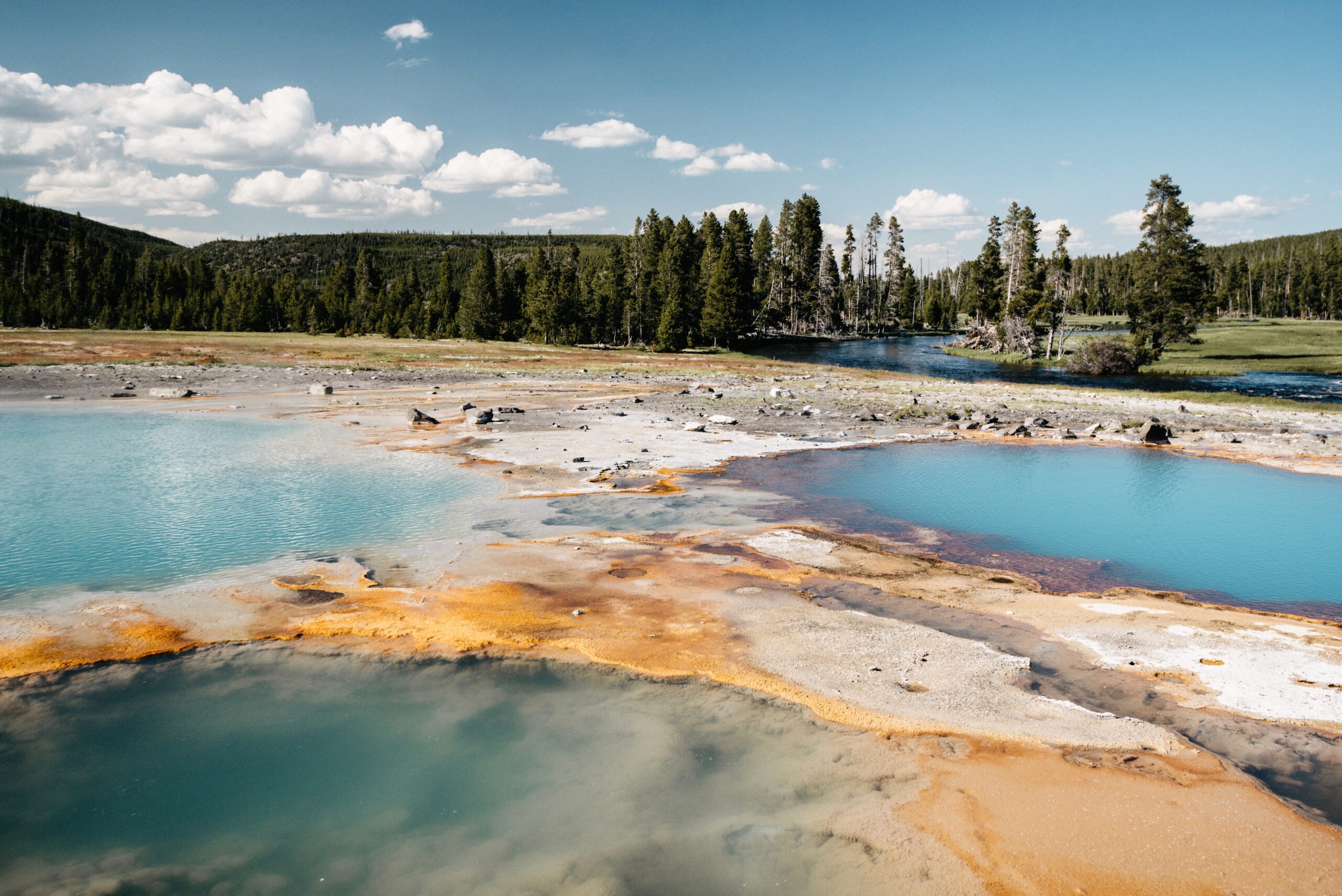
Black Sand and Biscuit Basin were short stops between Old Faithful and the larger geothermal areas. The trails did not take long, and several pools were colourful enough to justify pulling over once more, even after we thought we had already seen every possible shade of blue.
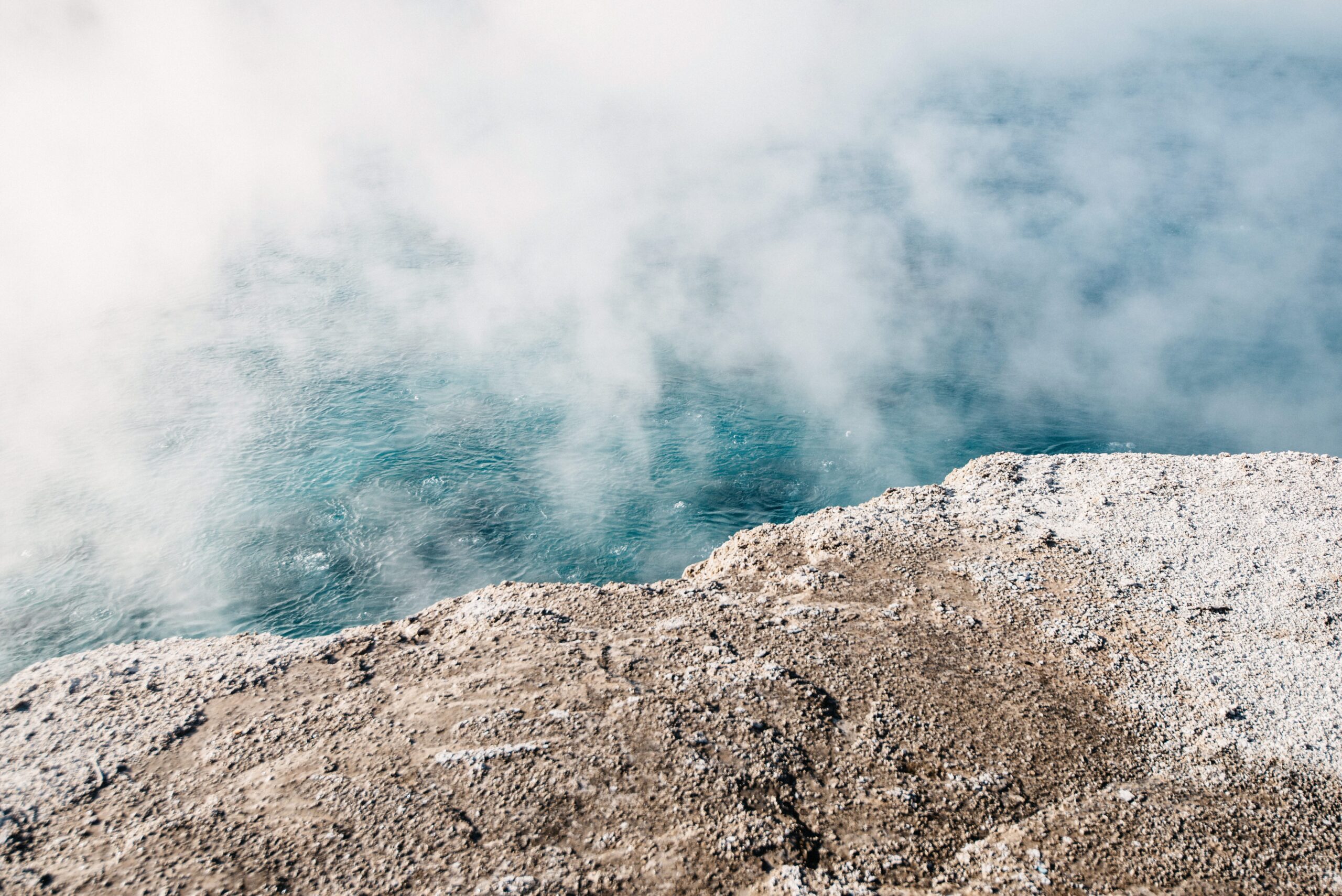
Fountain Paint Pot finished the sequence with bubbling mud, steam and yet another boardwalk. By then we knew what sulphur smelled like, how long apparently short distances could take and why two days in Yellowstone disappeared so quickly.
Our Yellowstone conclusion
Yellowstone was probably the most diverse national park of our US route. Lakes, mountains, rivers, waterfalls and wildlife could have filled several days without the geothermal areas. Adding geysers, terraces and bubbling mud made two and a half days feel far too short. We would return with three full days and leave room for the hikes that snow and the driving distances removed from this visit.