

Glacier National Park was our first stop after crossing back into the United States from Canada. We had one full day before the route continued towards Bozeman and Yellowstone, so there was no pretending we could cover the entire park.
Early June made the choice even clearer. The high sections of Going-to-the-Sun Road were still affected by the season, while the lower roads and trails around St. Mary Lake and Avalanche Lake were open. We used what was accessible and filled the day with two hikes rather than driving from closure to closure.
Entering Glacier from the Canadian side
We arrived from Waterton Lakes and spent the night in Kalispell after the park. That direction brought us first towards the eastern mountain views and St. Mary Lake. The landscape continued naturally from Canada, but the park felt rougher and less developed than Banff.

St. Mary Lake in the morning
St. Mary Lake gave us the wide Glacier panorama immediately: blue-green water, long mountain walls and small islands below the peaks. With only one day, seeing that view early removed the fear that we would spend the visit waiting for one famous moment.
The road followed the lake and offered repeated stops. We did not try to photograph every bend, although the number of files from that morning suggests we were not particularly disciplined.
We kept the route simple instead of racing towards every named viewpoint. With the mountains already visible across the water, stopping for ten minutes often gave us more than adding another distant marker to the day.
St. Mary Falls and the waterfall trail
From the lake we followed the trail towards St. Mary Falls. The water was an almost artificial shade of turquoise and moved with much more force than its position on a simple day hike suggested.
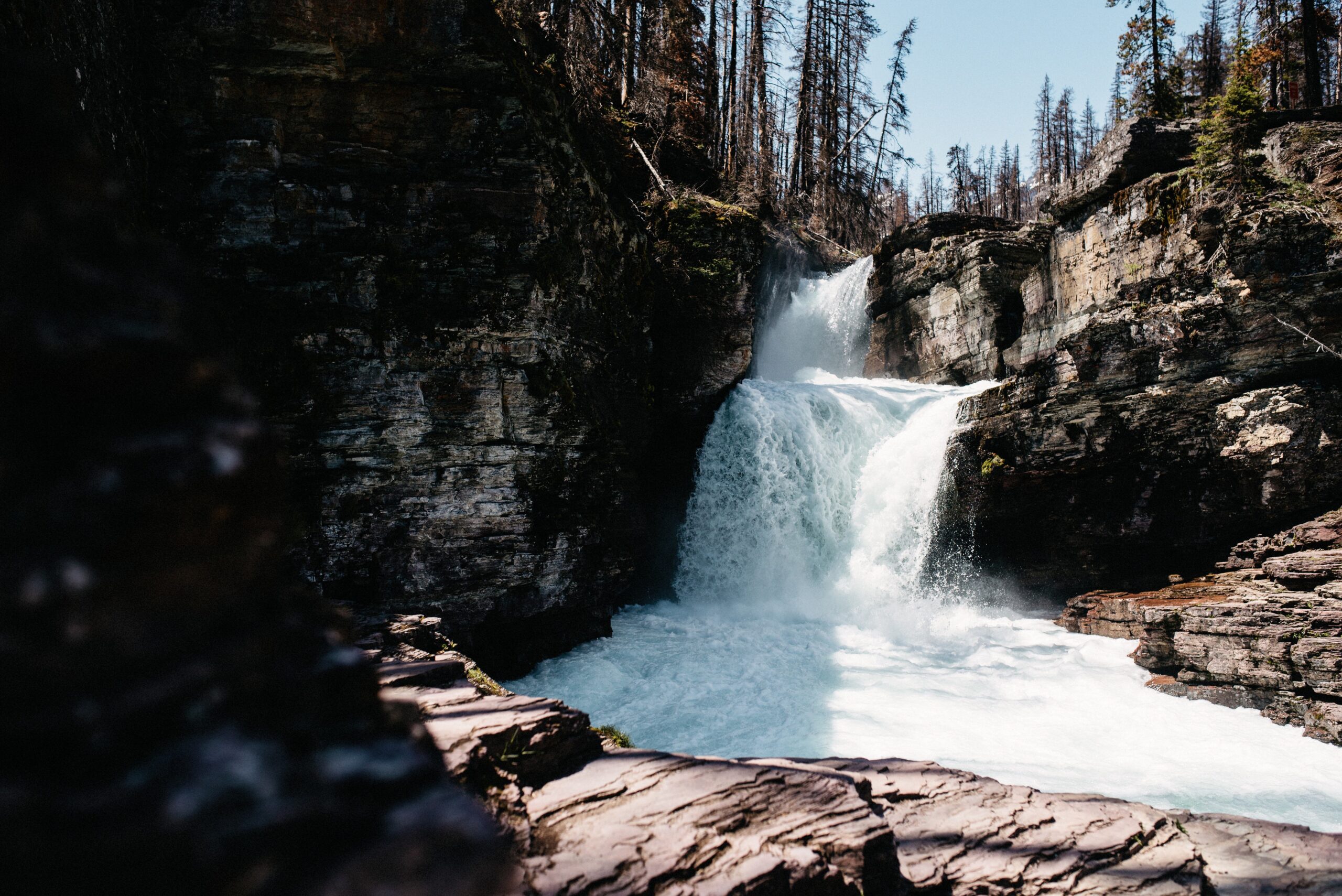
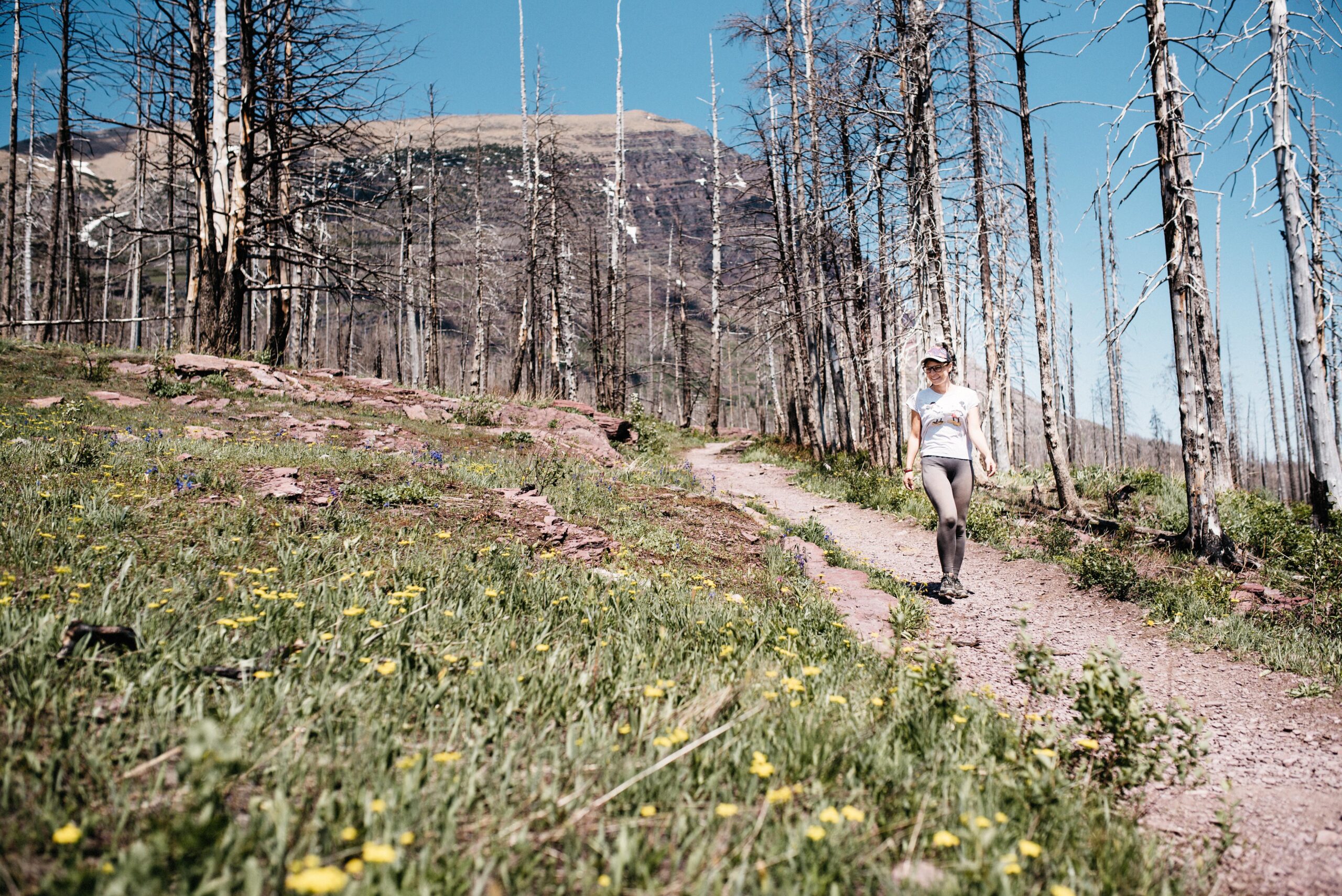
We continued beyond the first falls towards the taller waterfall further along the route. The trail crossed areas marked by an earlier forest fire, with black trunks standing above young green plants. It was not the dense forest we had expected, but the open ground revealed more of the surrounding mountains.


Following the open road west
Going-to-the-Sun Road was one of the main reasons people visited Glacier, but at the beginning of June the complete high crossing was not yet an option for us. We drove the accessible portions and accepted that Logan Pass and the alpine centre of the road belonged to another season.

That did not turn the day into a failure. Seasonal closures were part of travelling through the Rockies so early, just as frozen lakes and snowy trails had been in Canada. The advantage was having far fewer people around than a midsummer visit would have brought.
Our plans throughout Canada had already taught us to ask what was open instead of only what was famous. Glacier continued that rule. The route available in June was not the complete park, but it was still a real day rather than a substitute for one.
Hiking to Avalanche Lake
Avalanche Lake provided our second major destination. The trail moved through thick cedar forest beside rushing water and eventually opened onto a broad lake surrounded by steep walls. Thin waterfalls dropped from the snowfields at the far end.
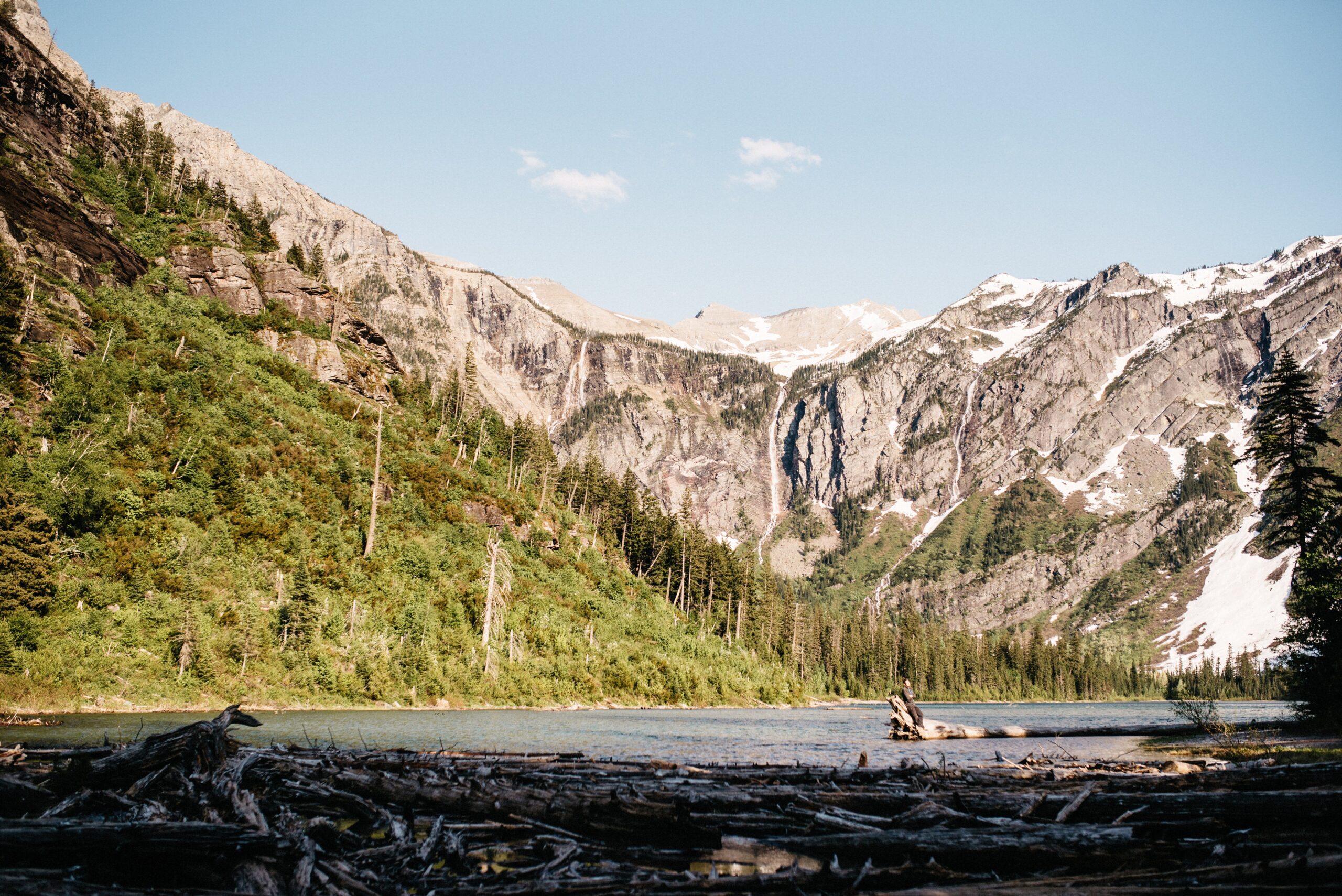
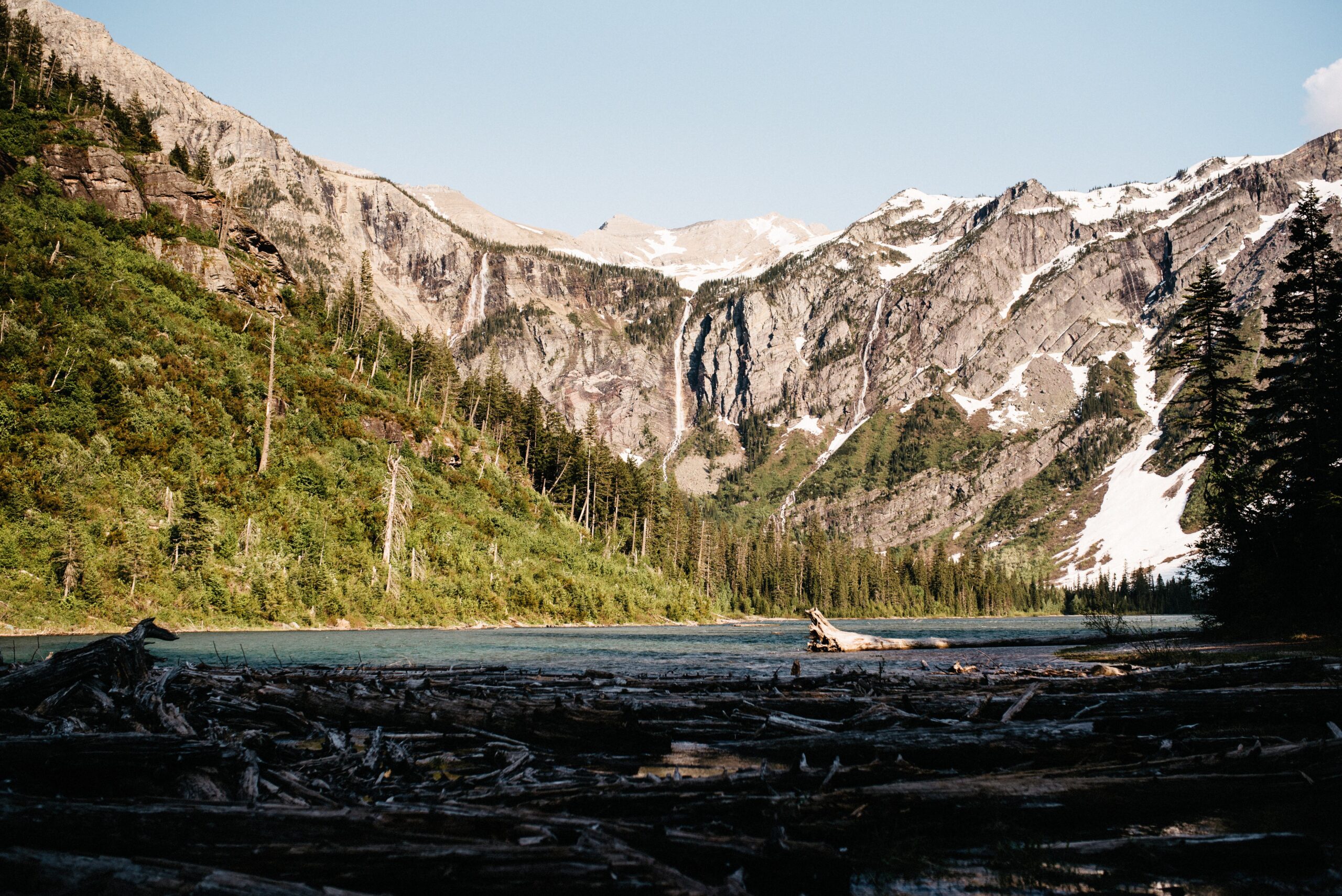
Driftwood covered parts of the shore and gave us a place to stop before returning through the forest. Compared with the open views around St. Mary, Avalanche Lake felt enclosed and quiet. Doing both in one day made the visit feel much more varied than the limited road access suggested.
Back through the cedar forest
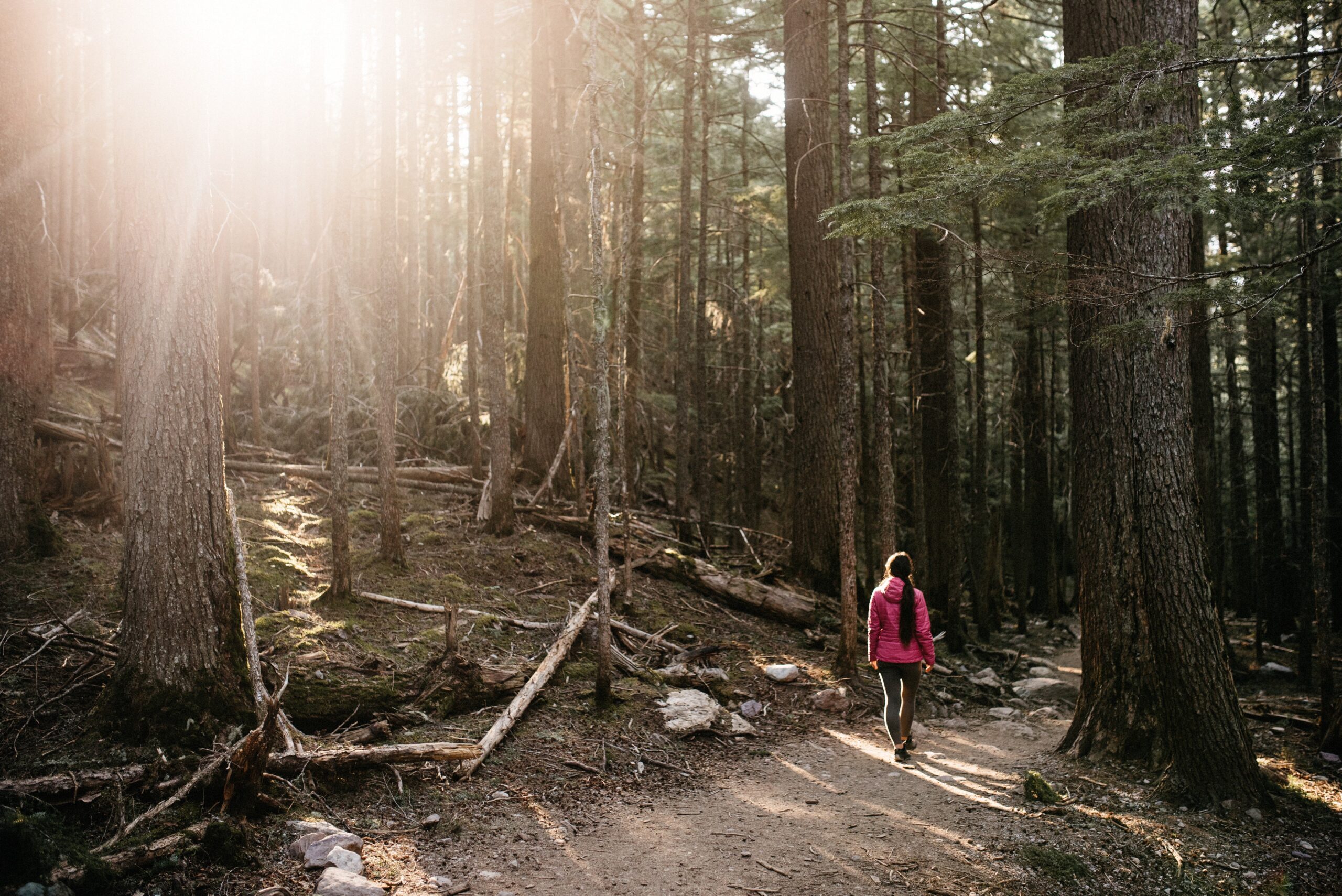
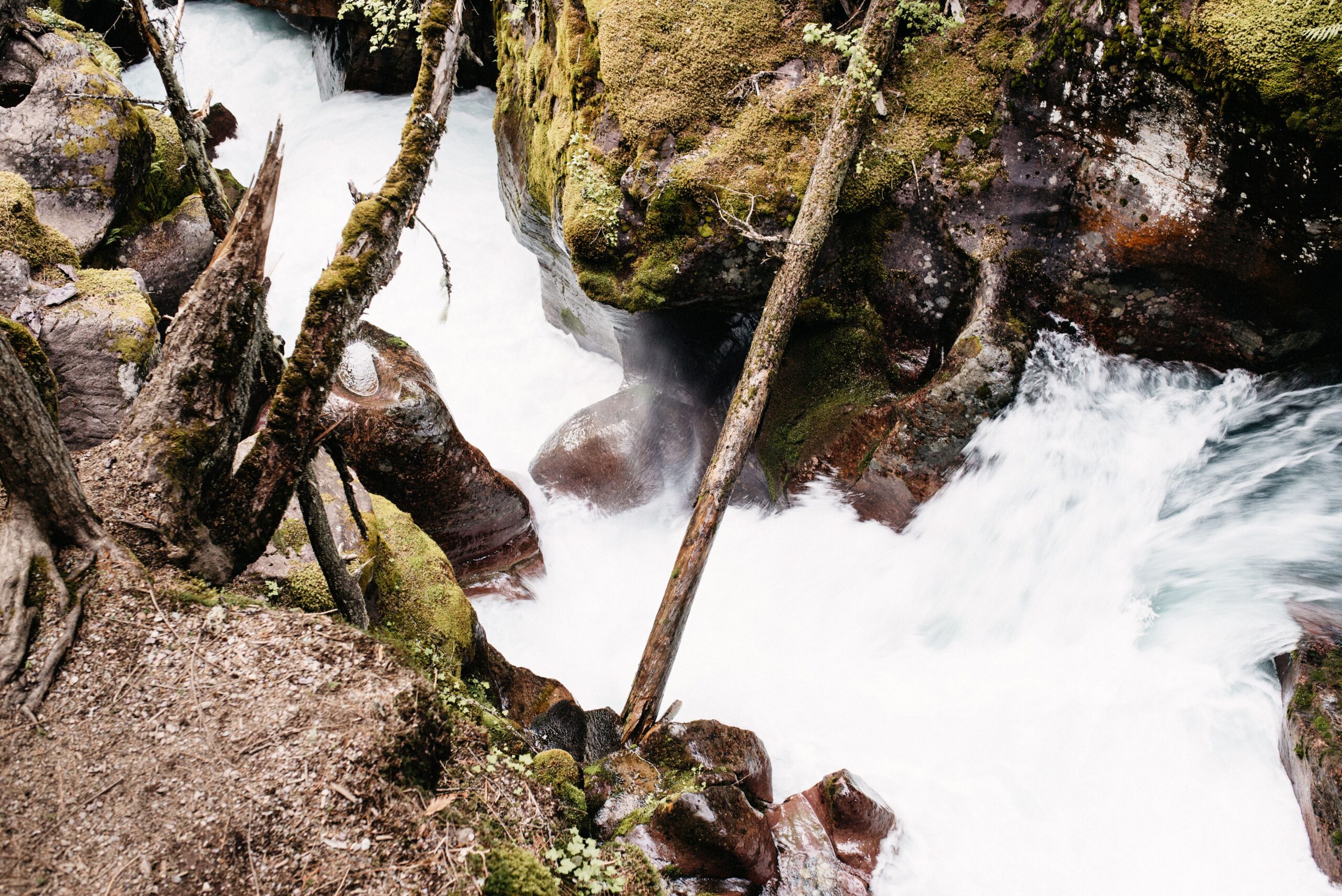
The return route followed the same forest, but the low sun changed it completely. Boardwalks crossed wet sections and Avalanche Creek pushed through a narrow bed of rock and fallen trees beside us.

Leaving after one full day
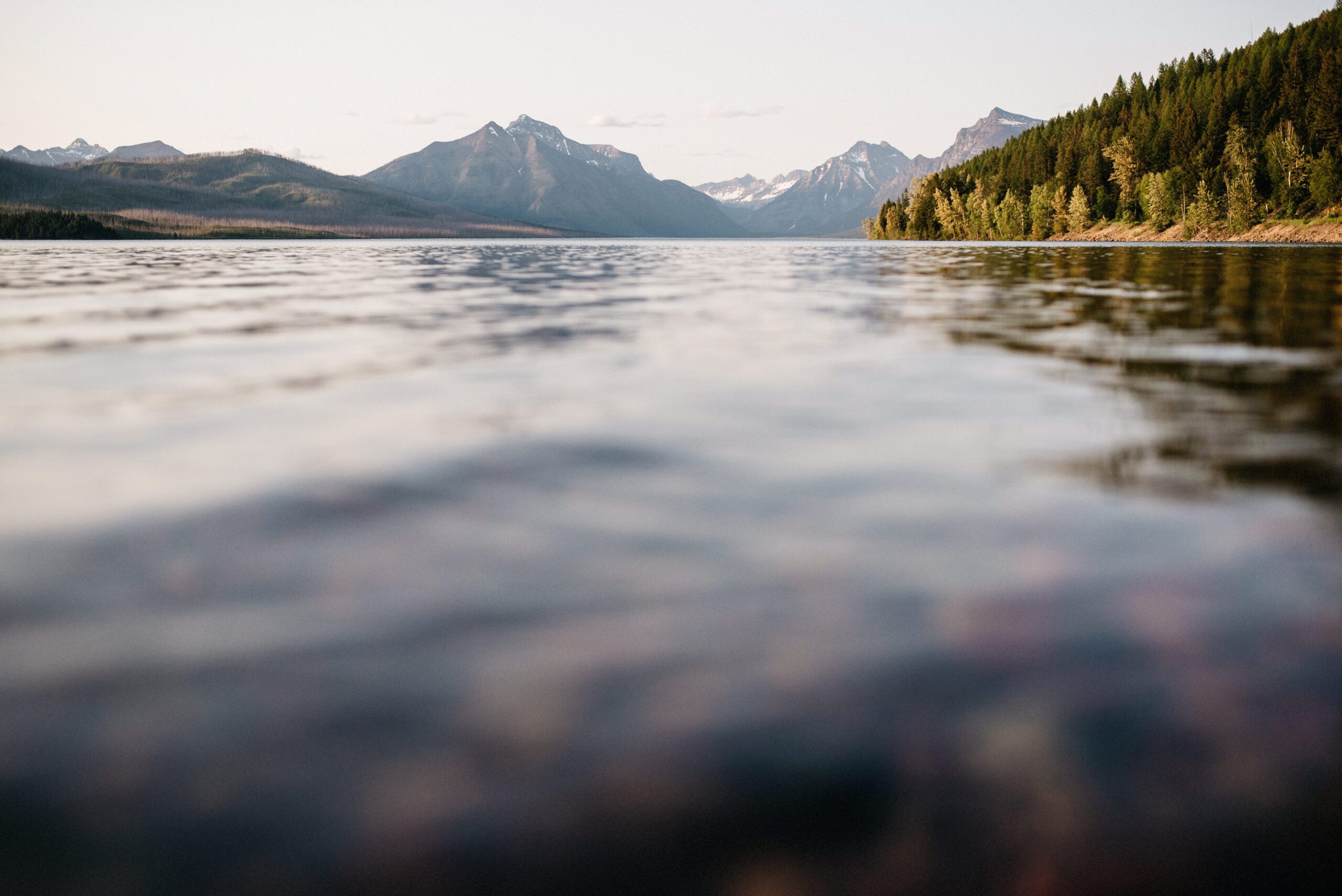
We ended the day beside calm water and then continued towards Kalispell. Glacier was clearly larger than the chapter we gave it. One day was enough for two hikes and several strong views, not enough for the complete road or the more remote parts of the park.
Still, leaving it out because we lacked three days would have been the worse decision. The short visit connected the Canadian Rockies with Yellowstone and left us with a very clear reason to return in a later summer.
Next time, we would visit after the high road had opened and stay closer for at least two nights. On this journey, however, one concentrated day was exactly what the route allowed.