
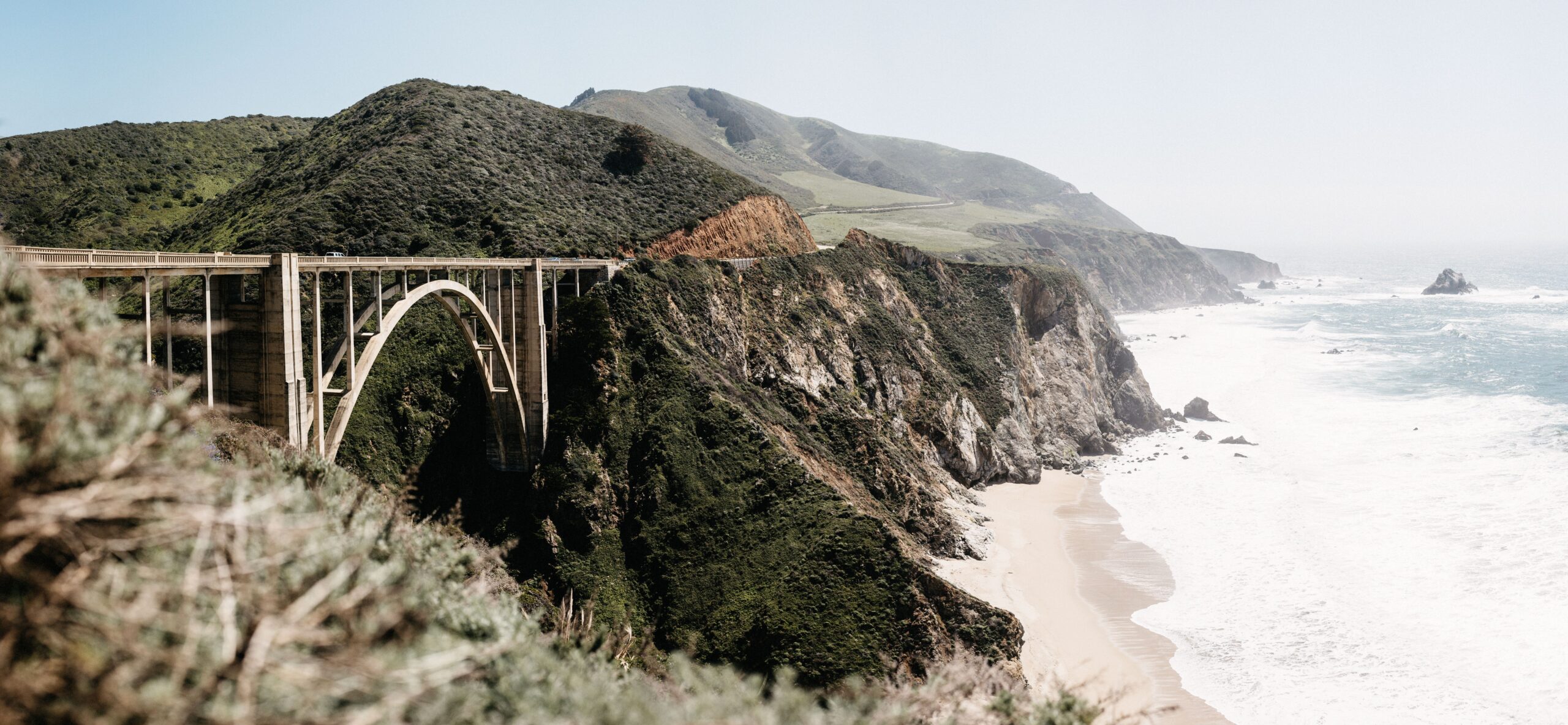
Highway 1 is probably one of the most famous highways in the world. Every year it attracts thousands of travellers who want to enjoy the wonderful views, rugged coastline and vibrant cities along the route.
The best-known section stretches from San Francisco to Los Angeles: about 500 miles or 800 kilometres of pure road-trip action and fun DELUXE. We decided to drive two sections during our trip, first south from San Francisco to Los Angeles and later north from San Francisco towards Seattle. This is the southern part.
Technically, Highway 1 ends at Hales Grove in California, around 200 miles north of San Francisco, where it turns into Highway 101. We later continued that road through Oregon and Washington to Olympic National Park and Seattle. For now, however, we were heading in the other direction.
Picking up our campervan in San Francisco
We picked up our mini RV in Oakland at JUCY Rentals and immediately left San Francisco. If you want to be independent and enjoy the route as much as possible, renting a car is basically inevitable. Gas was cheaper than in Europe, but overnight stays were a different story. Hotels and motels were exceptionally expensive for what they offered, and campsites were not cheap either.
We usually stayed at Walmarts or free rest areas along the interstates and highways. This saved us a lot of money, although it also meant going without a shower for a few days. It is definitely not the right kind of road trip for everyone, but it worked for us.
When we picked up the campervan, we immediately left San Francisco and headed south. We only returned to the city at the end of this loop, when we gave the JUCY back and spent four days in San Francisco. Afterwards we needed another rental car because the campervan company did not allow us to cross the Canadian border.
Our first stop: Silicon Valley
We had this very naive idea about the technological epicentre of the world: electric cars everywhere, futuristic buildings and smart people all over the place. What we found instead was a lot of traffic, with one person sitting in almost every car, lush green landscapes and a very clean but also slightly artificial cityscape.
The headquarters were office buildings. Nothing more. It was still cool to look at the billion-dollar companies from outside, but circulating around Apple’s buildings at Infinity Loop was not exactly a life-changing experience. The most interesting stop for real fans was probably the adjacent Apple Store with its merchandise.
Santa Cruz and its beach boardwalk
Santa Cruz is nicely located right on the ocean and has a long beachfront. It is especially famous for its unique atmosphere and the Santa Cruz Beach Boardwalk, a proper American amusement park directly beside the beach.
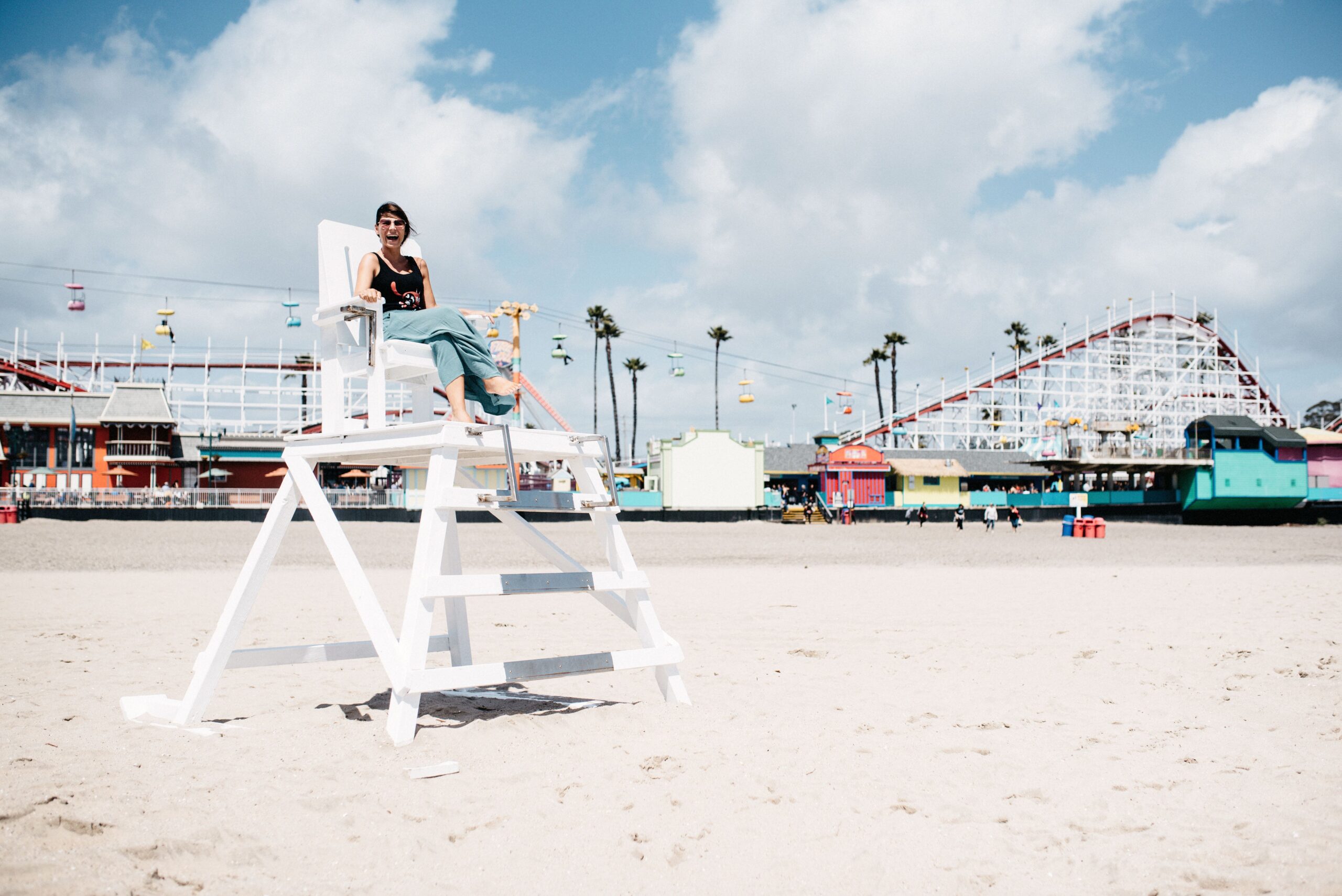
You can ride a roller coaster while looking across the Pacific, stroll along the boardwalk or take the slow Sky Glider over the amusement park. We did not really understand why one would pay to float slowly above everything, but plenty of people seemed to enjoy it. We preferred keeping both feet on the ground and walking along the beach.
Santa Cruz had much more to offer than the boardwalk, and with more time we would certainly have found enough ways to keep ourselves busy. For this road trip, however, the combination of beach on one side and thrill seekers on the other was exactly the kind of very American stop we had wanted to see.
Driving the 17-Mile Drive
The 17-Mile Drive is a scenic toll road on the Monterey Peninsula. It runs through Pebble Beach and the Del Monte Forest, which means golf courses, green landscapes and the ocean all packed into one rather exclusive peninsula.
- What we paid: USD 10.25 per car in 2018
- Time: Allow at least two to three hours
- Our favourite time: Late afternoon and sunset
- Navigation: Follow the red dashed line painted on the road
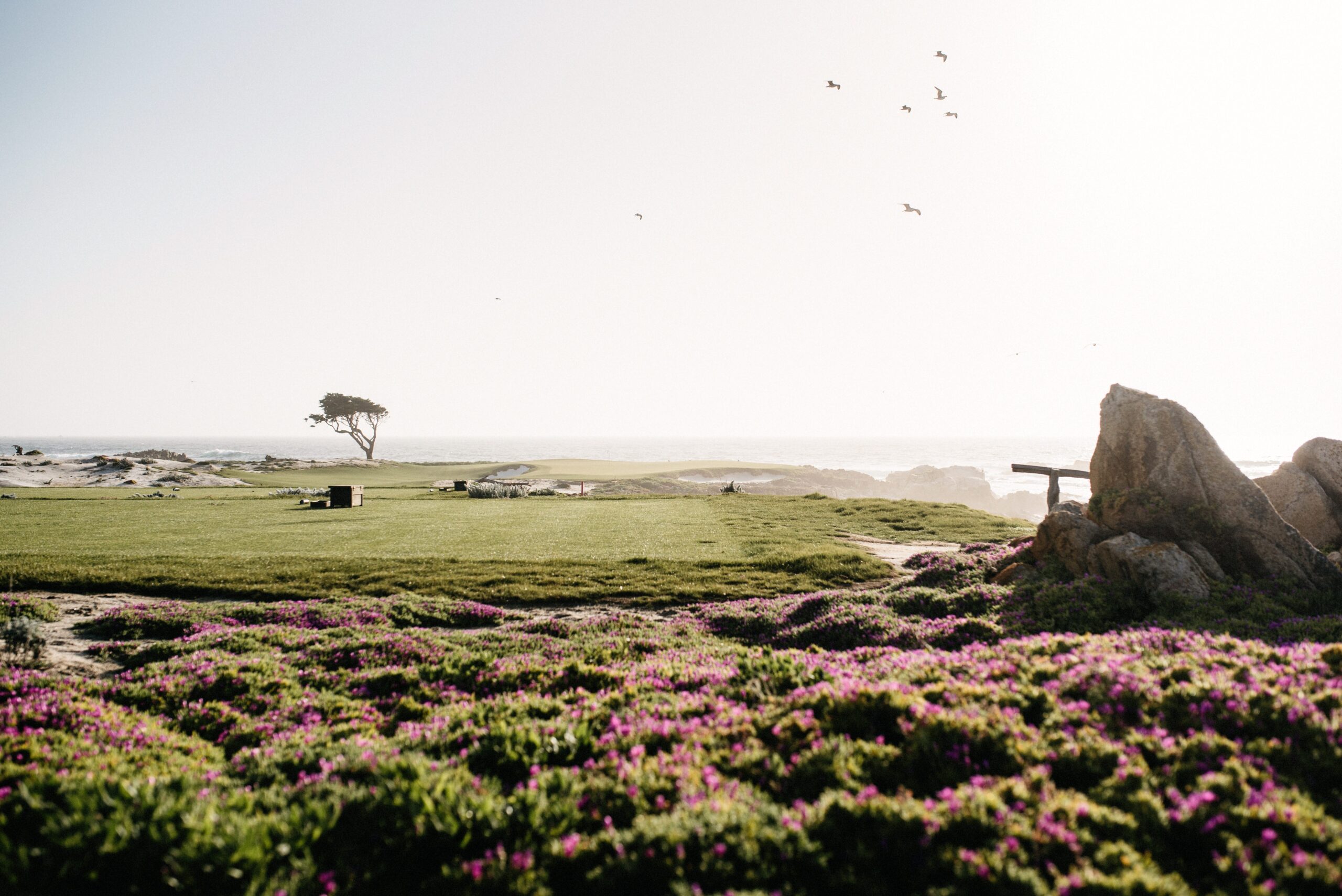
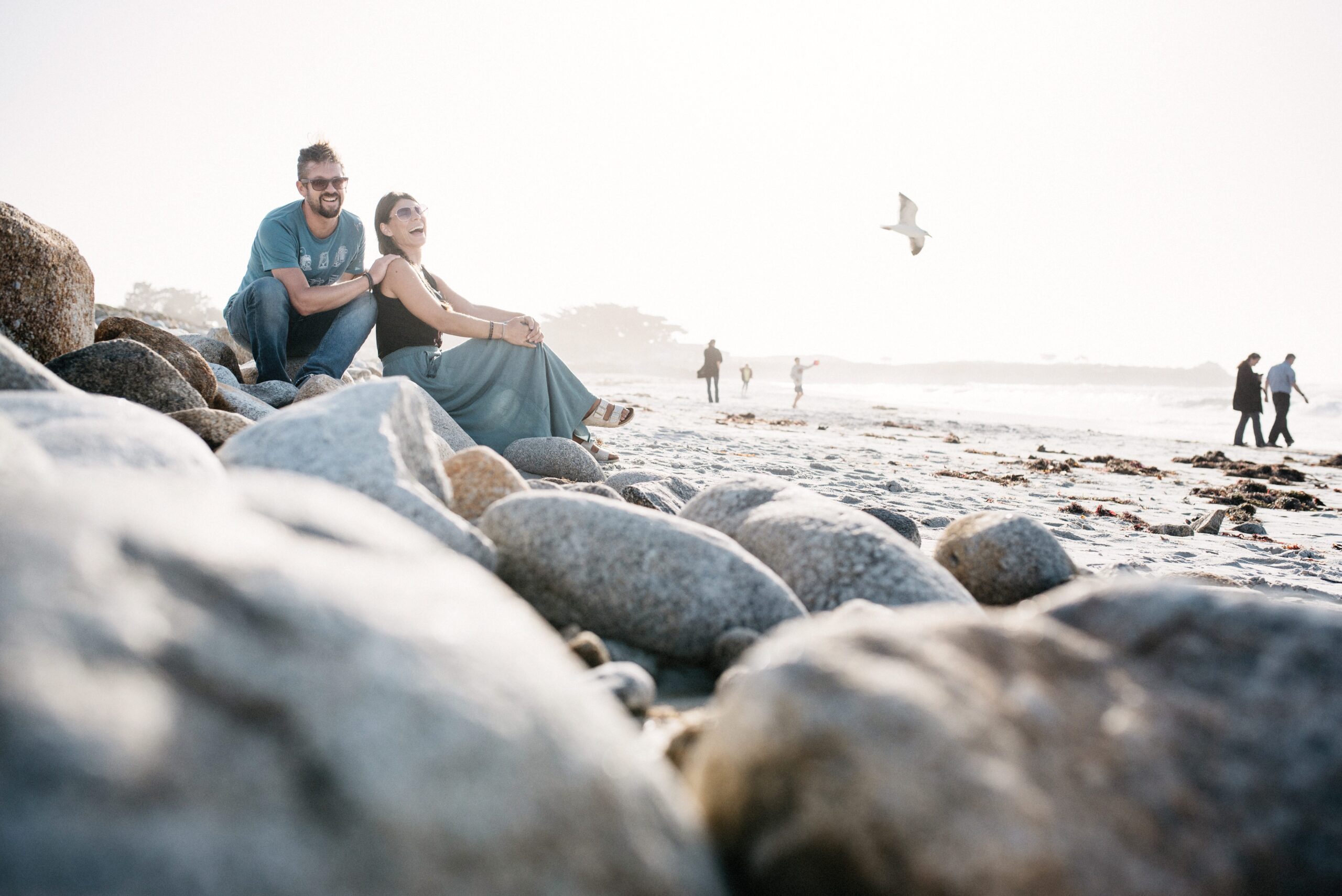
Spanish Bay was the only stop where we could stroll along the beach and get close to the rough sea. Restless Sea and Point Joe gave us our first proper look at waves breaking against the rocks and at a golf course built directly beside the cliffs. This was where we briefly considered becoming millionaires, golfers or ideally both.
Bird Rock and Seal Rock Picnic Area were the best places for a short break. We simply opened the boot, heated our meal on the gas cooker and ate with the ocean in front of us. It was not a complicated picnic, but the view was difficult to improve.
The Lone Cypress
The most famous viewpoint is the Lone Cypress, a tree that has stood above the coast for more than 250 years. It survived storms and harsh weather and eventually became the icon of Pebble Beach.
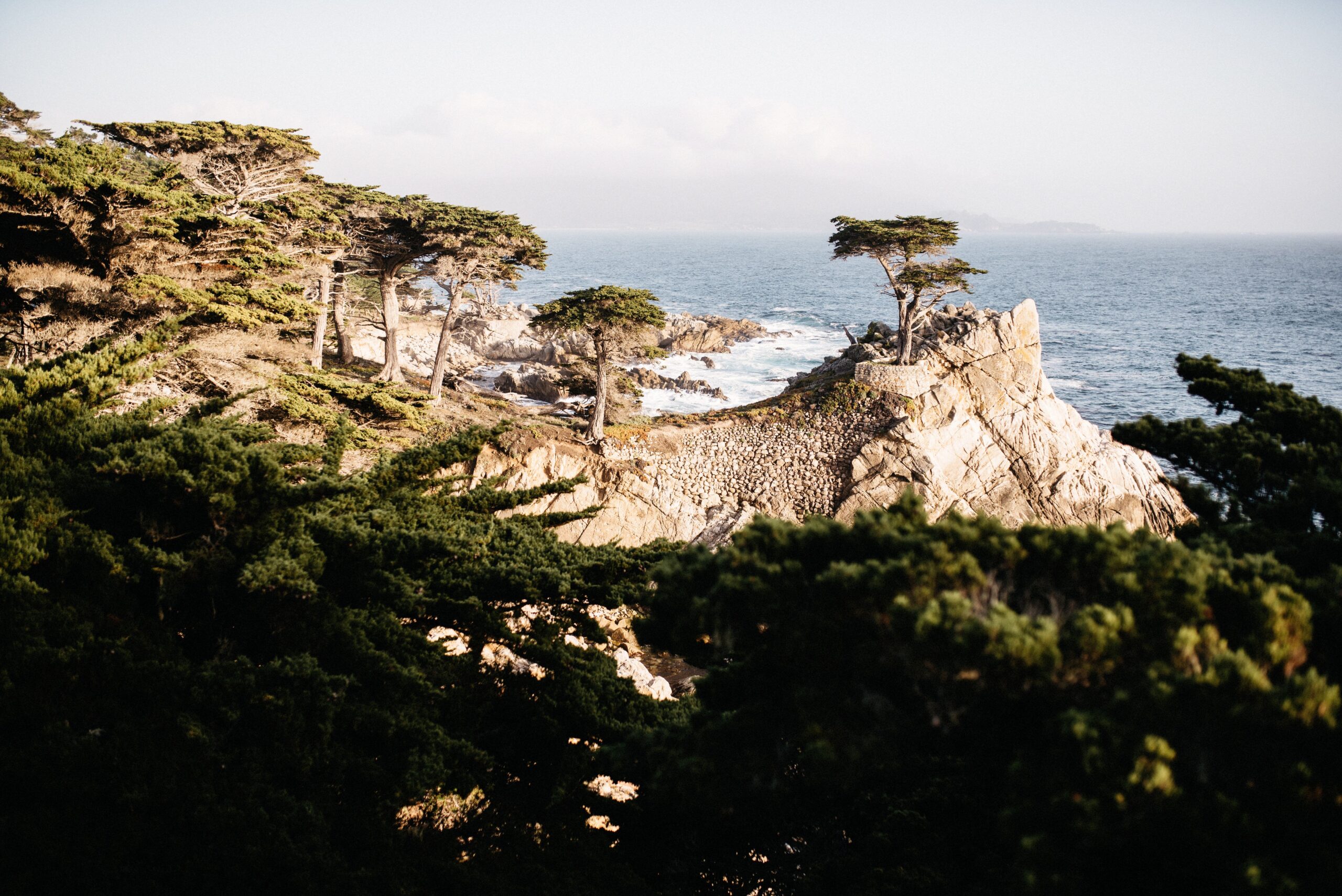
Ghost Tree and Pescadero Point were less about the tree for us and more about the view across the ocean. If you drive Highway 1 from south to north, the 17-Mile Drive might feel less spectacular after everything else you have already seen. For us, travelling south, it was a very good introduction.
Fanshell Overlook and Cypress Point Lookout were closed between 1 April and 1 June when we travelled. That did not make the drive feel incomplete. There were enough coastal stops left, and the red dashed line on the road made the whole loop almost impossible to miss.
Point Lobos State Natural Reserve
South of Monterey we stopped at Point Lobos State Natural Reserve. California state parks were not included in our America the Beautiful national park pass. Driving into Point Lobos cost USD 10 per car in 2018, but walking in was free, so we parked outside and saved the money.
We started on the Lace Lichen Trail and continued to Sea Lion Point, where we got wonderful views of the ocean and the waves breaking on the rocks. Because we always prefer loop walks, we returned via Sand Hill Trail, South Shore Trail and Mound Meadow Trail through the shady forest.
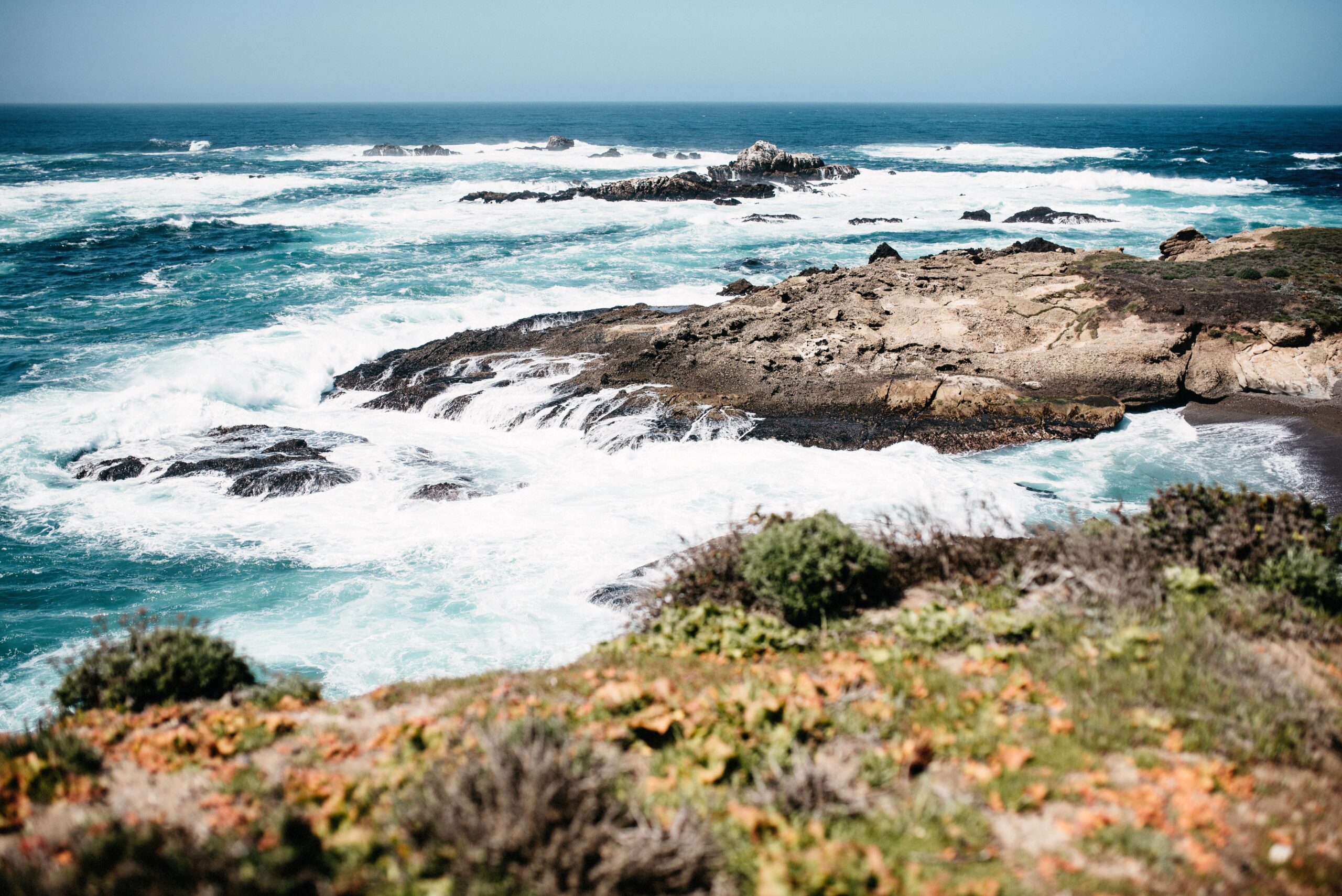
Our top tip: Bring a pullover or light jacket even on a hot day. The wind along the coastline can be extremely strong and the temperature feels much lower than it does a few kilometres inland.
Big Sur: do not plan, just drive
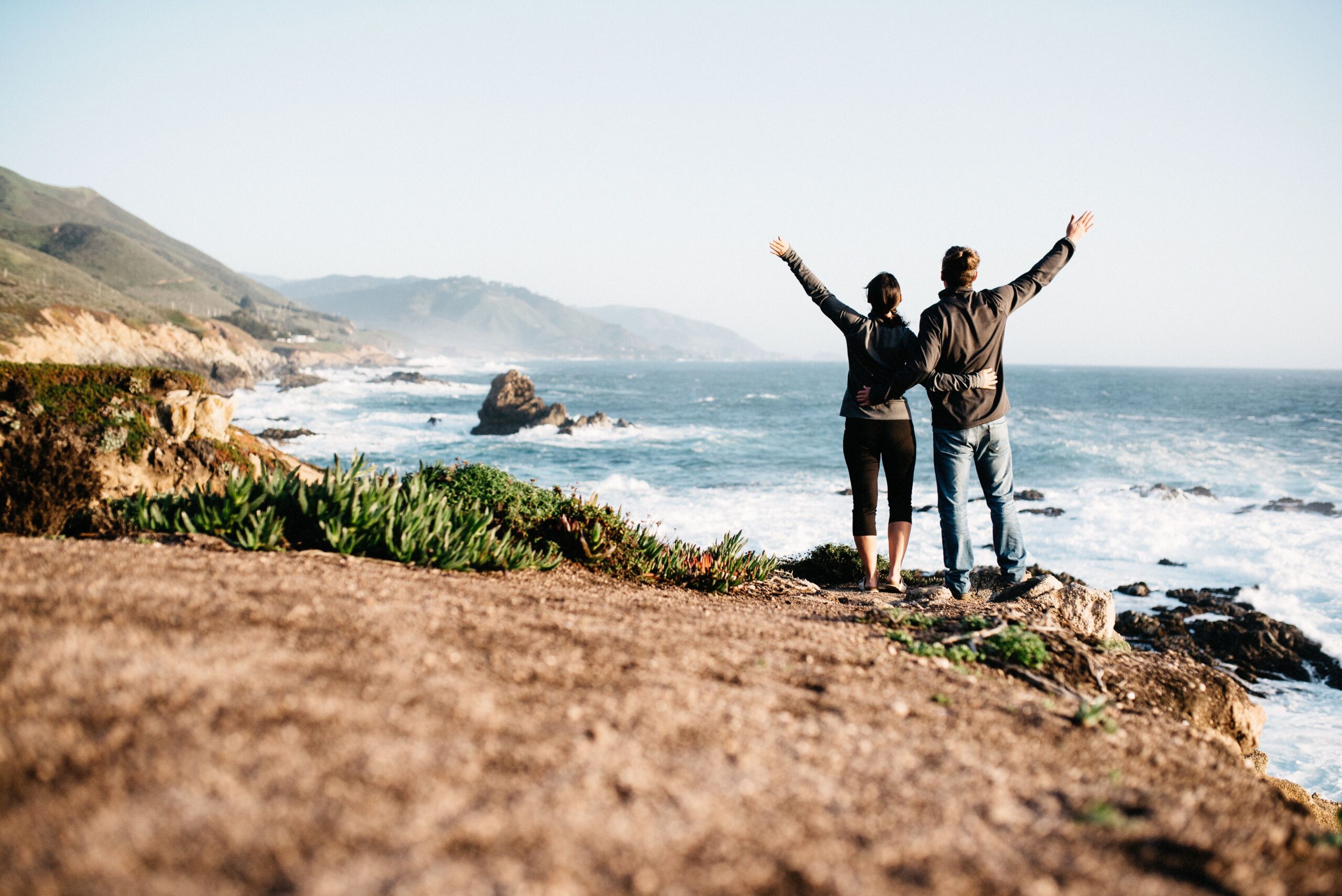
After Point Lobos we reached the DELUXE section of Highway 1. Until the tiny settlement of Lucia, the views were spectacular. This was the part of the route where any detailed timetable became useless. The best thing was simply to drive, stop whenever the coast looked too good to pass and continue when we were ready.
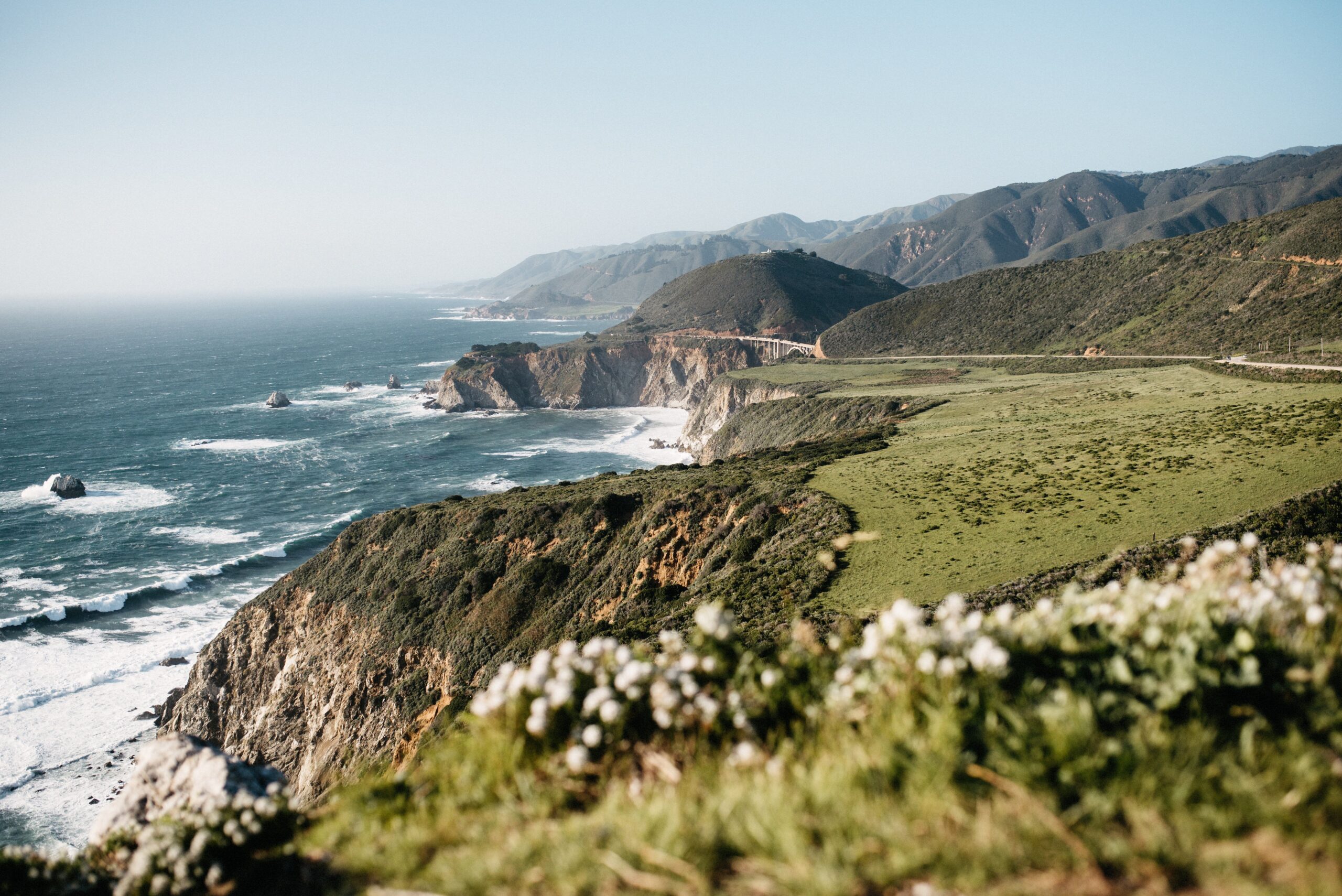
Three stops should still be on the list: Bixby Creek Bridge for the classic Highway 1 photograph, McWay Falls for the waterfall dropping onto the beach and the coastal viewpoints around Big Sur. Whale Peak also offered a short loop with views of both the highway and the ocean.
The state parks around Big Sur
Andrew Molera, Pfeiffer Big Sur and Julia Pfeiffer Burns State Park all sit along this section of the highway. Each offered walks through a slightly different part of the coast and forest. When we visited, Andrew Molera was closed after a storm, which was another reminder not to plan the route too rigidly.
In 2018 each park charged USD 10 per car, and our America the Beautiful pass was not valid because these were state parks. Walk-ins were free, so parking outside was again the inexpensive option whenever it was possible. Andrew Molera was the most coastal of the three, Pfeiffer Big Sur sat in a wooded landscape that reminded us a little of Canada or even Austria, and Julia Pfeiffer Burns began opposite the McWay Falls viewpoint.
Checking the park websites before arriving was worthwhile. Storms and other alerts could close trails or entire parks, as we found at Andrew Molera. Highway 1 was better with a loose plan anyway, and a closure simply meant more time for the road and the next viewpoint.
San Luis Obispo and the very pink Madonna Inn
San Luis Obispo might not be the most famous stop on Highway 1, but it holds a real treasure for anyone who likes the colour pink. The Madonna Inn and its adjacent steakhouse take pink rather seriously.
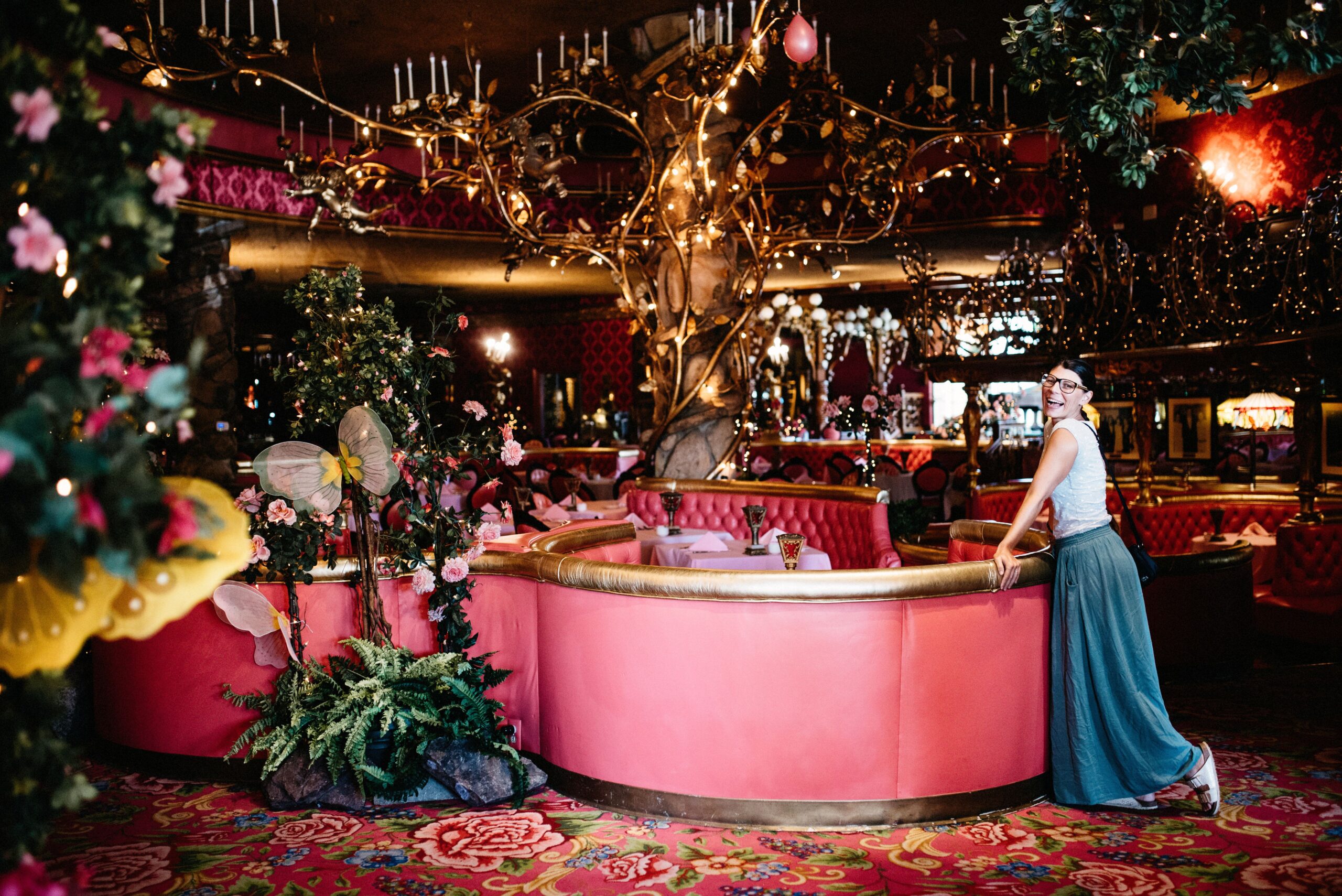
The cafe served its signature cakes, which looked as if you could gain weight just by staring at them. Every hotel room had a different design, ranging from super pink to surprisingly little pink. The gift shop sold enough matching souvenirs to recreate at least part of the experience at home.
The café was open all day, while the pink steakhouse only opened for dinner. In 2018 rooms started at around USD 120 for a double, and every one was different: super pink, lightly pink or not pink at all. We did not stay overnight, but for a real Madonna Inn fan the room photographs alone made choosing one part of the entertainment.
Bubblegum Alley
While we were in town, we also stopped at Bubblegum Alley. Thousands of pieces of chewed gum cover both walls. It looks more disgusting than it smells, although the sweet mixture of thousands of fruity bubble gums is not exactly delightful either.
Anyone who wanted to leave a trace could bring bubble gum or buy some in one of the surrounding shops, including the Rocket Fizz Soda Pop & Candy Shop. We limited ourselves to looking. Considering that every piece had been chewed before it reached the wall, that was enough participation for us.
Pea soup, Solvang and the road to Santa Barbara
Our story with Pea Soup Andersen’s started as soon as we arrived in California. Somewhere on Interstate 5 Bianca saw a sign advertising pea soup hundreds of miles ahead. The company placed signs everywhere, and the strategy worked perfectly on us. We absolutely wanted to try that soup.
By pure coincidence, we later stopped for fuel directly opposite one of its two restaurants in Buellton. We shared the split pea soup in a bread bowl with cheese, bacon, ham, croutons and spring onions. It cost USD 11.99 in 2018, included free refills and was huge. Great experience.
Solvang
Only a few miles farther on, Solvang looked like a Danish town transplanted into California, with windmills, bakeries, a year-round Christmas shop and even a Little Mermaid statue. It was touristy and slightly unreal, which was exactly why it was fun.
We visited Jule Hus, the all-year Christmas shop, where the assistants were very friendly and even spoke German. For around USD 10 it was possible to buy a locally made ornament that would return to the Christmas tree every year. Solvang Bakery and the ice-cream parlour completed the town’s carefully assembled Danish version of California.
From Solvang we took the road through Los Padres National Forest towards Santa Barbara. We did not spend much time in Santa Barbara or Ventura because cities usually mean traffic jams and parking problems for us. The palm-lined beachfront was still worth seeing, and south of Carpinteria we found another long beach for sunset.
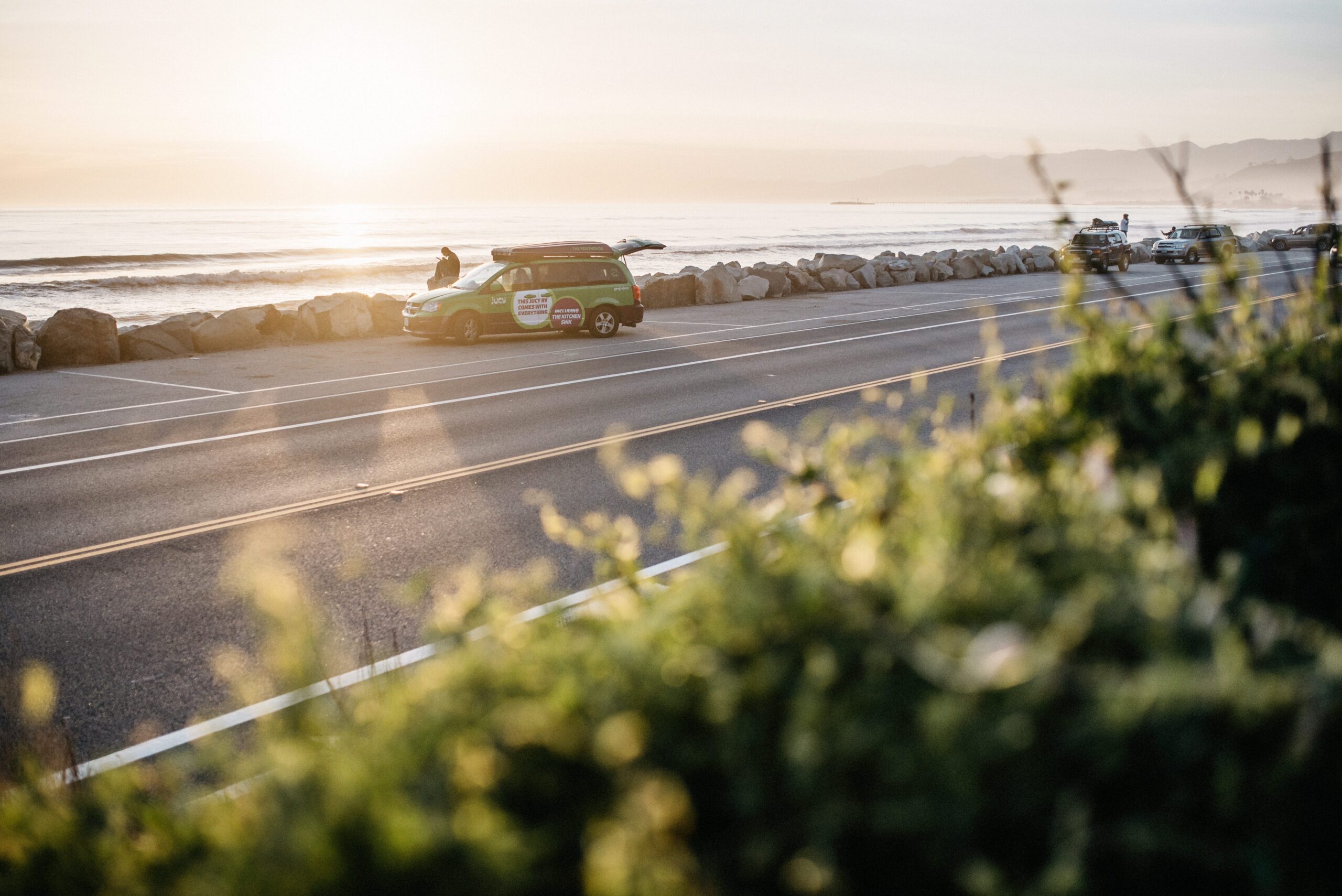
Shortly before Ventura, after Carpinteria, we left Highway 101 and followed the Pacific Coast Highway again. The beach was lined by huge rocks and parked RVs. We stayed for sunset, which was a much better ending to the drive than another attempt to find parking in a city centre.
What we would do the same again
We would rent a campervan again, leave enough empty time in the plan and travel from north to south so the ocean is on the same side of the road. Highway 1 is not a route where you only drive from one famous attraction to the next. The drive itself is the attraction, and most of our favourite stops were the ones we had not planned at all.
We cover the northern part through Oregon and Washington in a separate report.