
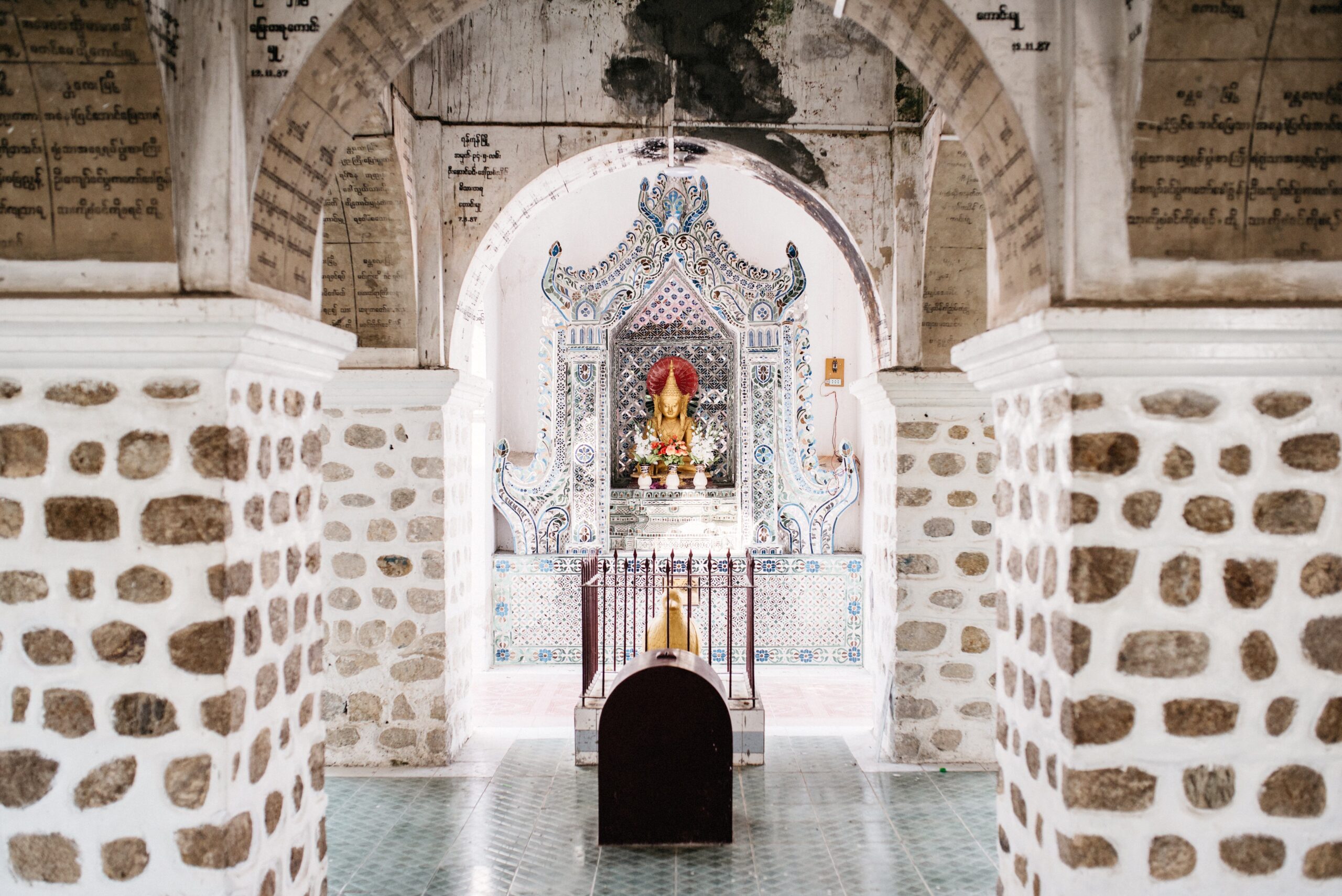
Although Mandalay is the second-largest city in Myanmar after Yangon, it did not feel nearly as crowded. A local told us that this is because Mandalay is spread across a much larger area. The city is famous not only for Mandalay itself, but also for the cultural heritage around it: Inwa, Amarapura, Sagaing and Mingun. Mandalay and its surroundings are the epitome of Myanmar’s architectural focus: pagodas.
We arrived on the boat from Bagan and spent 2.5 days here. That gave us enough time for the most important places, one full day outside the city and a little recovery from the burning heat in between.
How much time do you need in Mandalay?
How much time you should plan really depends on your interest in pagoda hopping, temple crawling and royal history. Basically, two days are sufficient: one for Mandalay and one for the surroundings, including Inwa, Amarapura and Sagaing. If you also want to visit Mingun, you may need another half day.
The Mandalay archaeological ticket
As in Bagan and at Inle Lake, we needed a ticket for the major attractions in Mandalay. It cost about EUR 6 or USD 8 and was valid for five days. We were told that we would also need to show it at Mandalay Hill, Inwa and Sagaing. In reality, the Royal Palace was the only place where we could not enter without it.
The Royal Palace
Mandalay was the last royal capital of Myanmar, so it features an enormous Royal Palace. Unfortunately, our visit started on the wrong foot. The palace has gates on all four sides and none of our maps or guidebooks mentioned anything special about entering. We walked to the West Gate because it was closest to our hotel, only to learn that tourists were allowed to use the East Gate.
Important: The only entrance available to tourists during our visit was the East Gate. That discovery added another four kilometres, or 2.5 miles, of walking in the burning midday sun.
Why we did not take a taxi
Taxis in Mandalay had a very random price structure that we decided not to support. It seemed to be 5,000 kyat no matter where we wanted to go. Once we drove four kilometres and paid 4,000 kyat after negotiating. Another time we needed a taxi for just 800 metres at 4:00 AM because of our luggage, and the price was still 5,000 kyat.
At the East Gate, we bought the Mandalay ticket and left one passport as a deposit for the visitor tag. It all seemed organised, so we were not worried about the passport. From the gate, it was another kilometre to the palace itself.
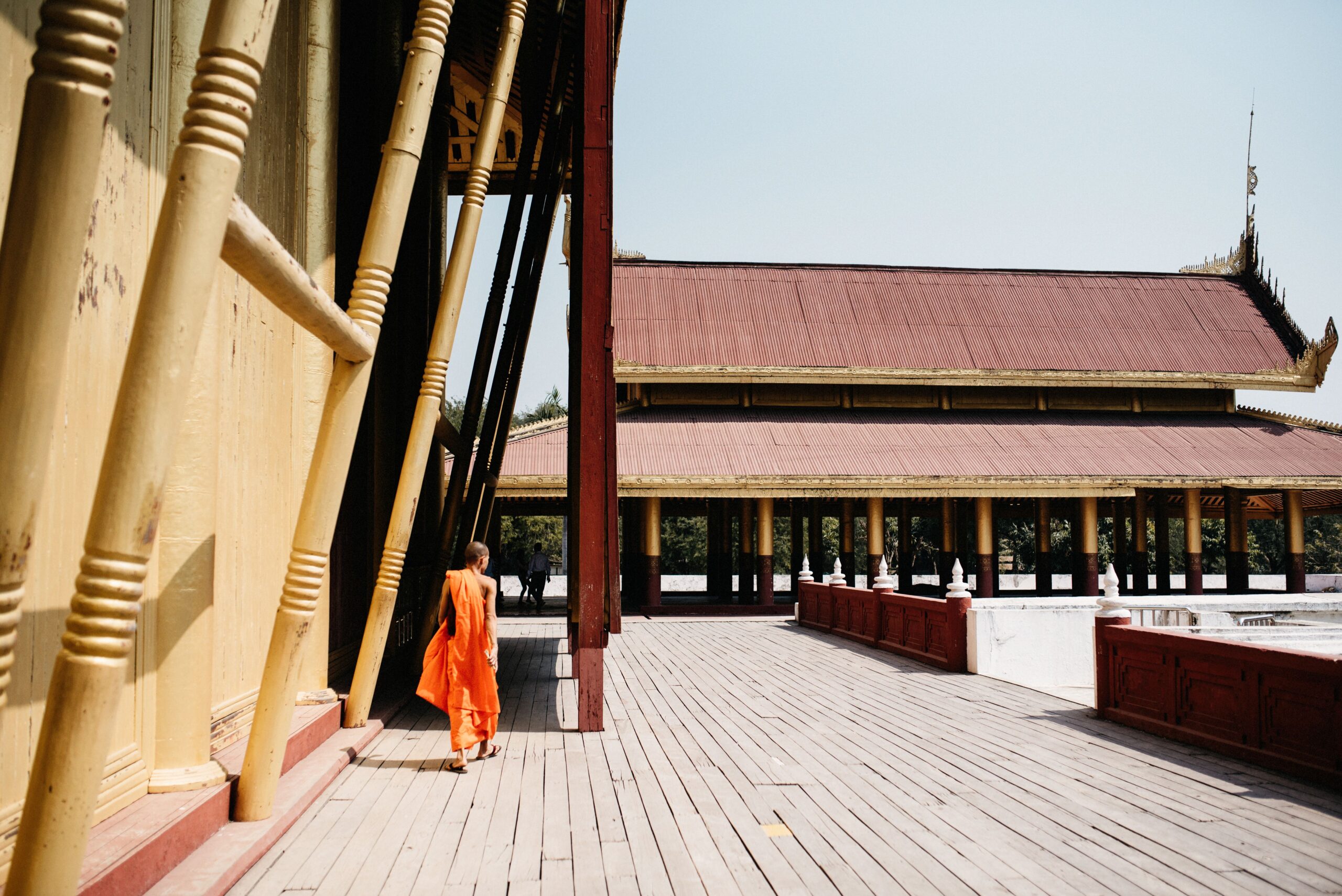
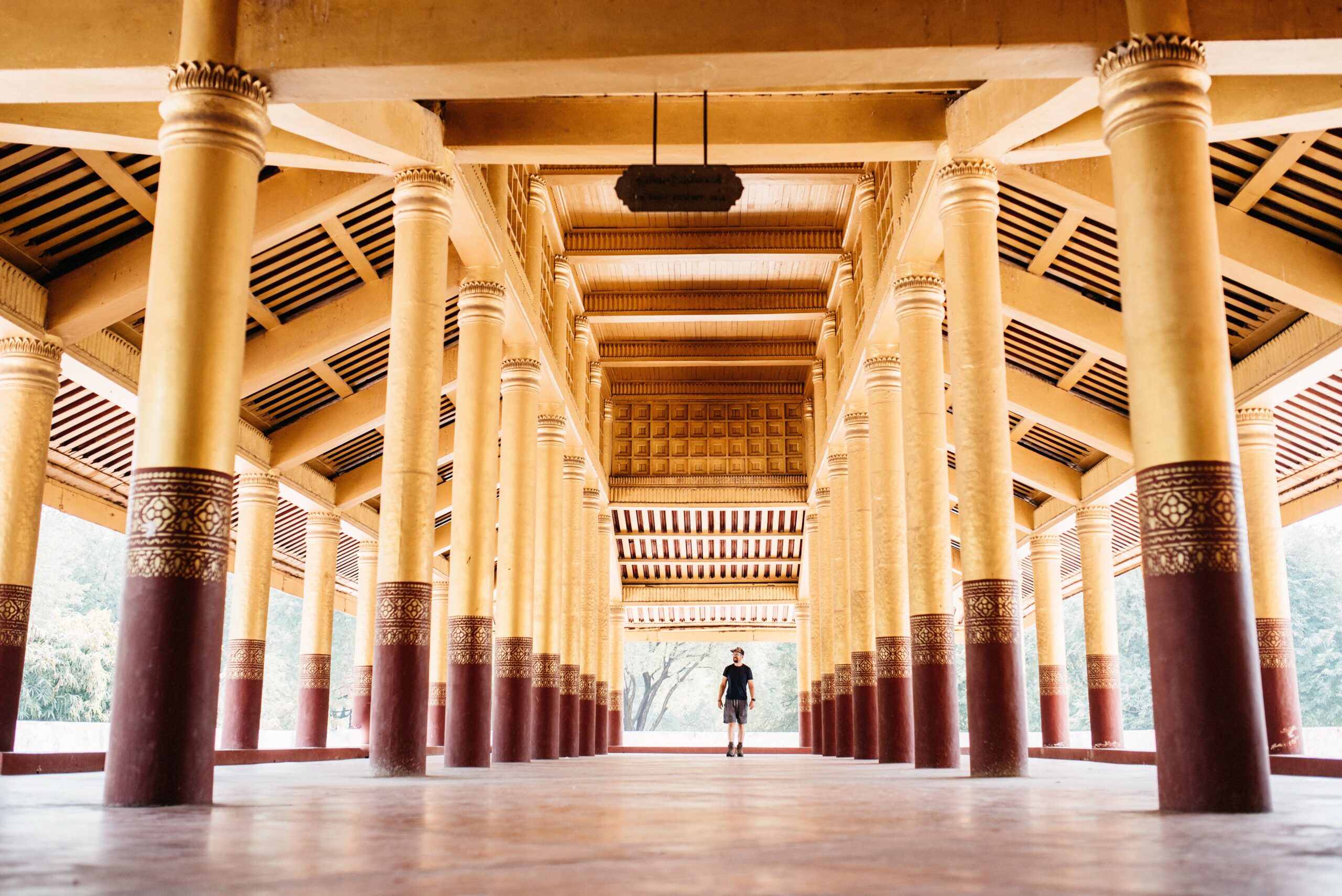
The palace was exactly what we expected: a lot of wood, a lot of gold and not a lot of our style. You can walk through the palace and its accompanying buildings, visit the gardens, climb a small tower for a view and learn about life in royal times. Anyone keen on the history and architecture could easily spend half a day here. We would not call it one of the most amazing architectural achievements we have ever seen, but it is an important part of Myanmar’s history and therefore worth a stop.
Mandalay Hill
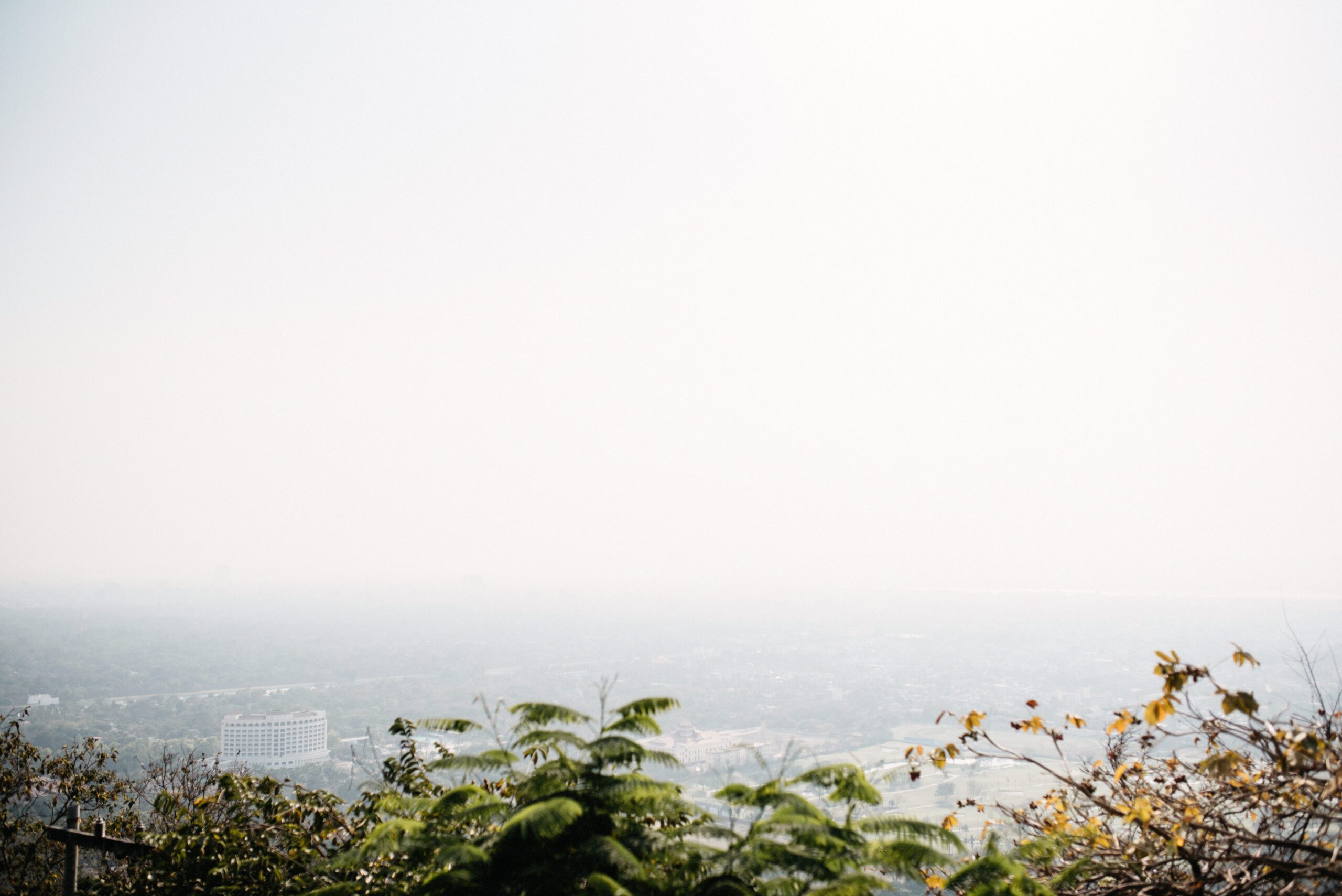
If you love steps, you will love Mandalay Hill. If you love clear panoramic views, you may not. Mandalay was covered in dense smog, so our view was very limited. Sunrise is supposed to be the best time, but we had no desire to get up that early again and visited during the day.
Hundreds of steps lead up the hill past pagodas and Buddha images. Depending on your pace and how much time you spend along the way, the climb takes between 30 minutes and one hour. At the top, despite already owning the Mandalay ticket, we were asked to pay again for the final viewing platform. We were disappointed and walked back down. There was no real view through the haze anyway.
Our tip: Leave Mandalay Hill out and visit Sagaing Hill instead. We found it much more impressive.
Sunset Point on the Irrawaddy
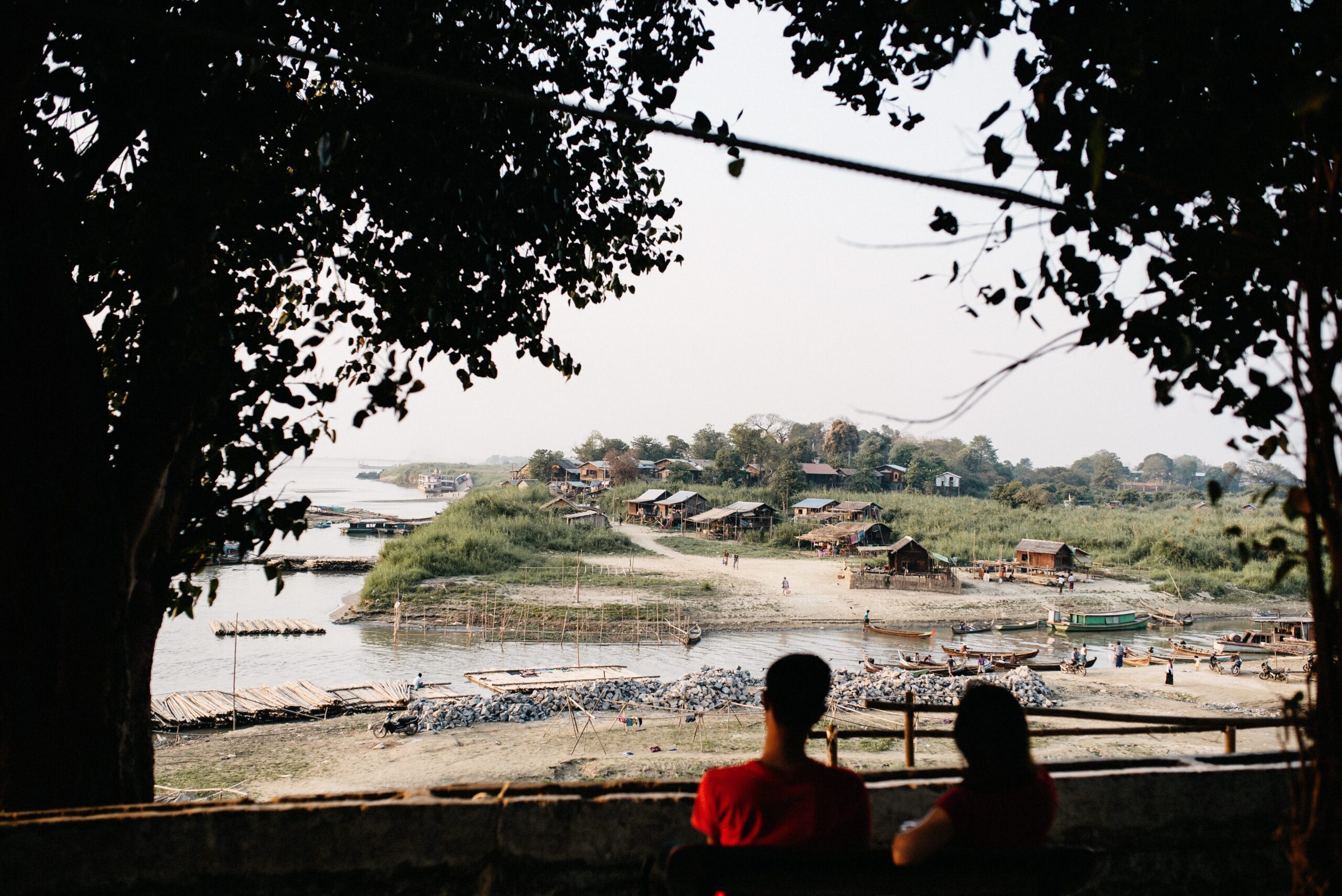
For sunset, we took a tuk-tuk from Mandalay Hill to Sunset Point near the Irrawaddy River. Tuk-tuk and taxi drivers knew the place. It gave us a good view of the sunset and all the activity around the nearby village and boat dock.
We watched people bathing in the river, doing their daily exercise and loading ships. Children were playing, freight and passenger boats passed, and a tiny ferry carried people just a few metres across the shallow water. It may have been the shortest ferry ride we had ever seen, but it was certainly busy.
Our Mandalay food and tea-house tour
By the time we reached Mandalay, Myanmar’s cuisine and we had not exactly fallen in love. We had barely tried the street food because it looked gross and not very hygienic to us, and we had never visited one of Mandalay’s traditional tea houses. So we gave the food another chance on a four-hour bicycle-rickshaw tour with Grasshopper Adventures.
The six stops covered a typical breakfast, Mohinga fish soup, a local market, a tea house, fresh fruit shakes and chilli salad. We learnt a lot about the local food culture and how the dishes were prepared. Our stomachs were less enthusiastic. You can read the full story in our Mandalay Food and Tea House Tour.
Inwa, Sagaing and Amarapura in one day
On our last day in Myanmar, we explored the surroundings of Mandalay. We had already seen the hundreds of pagodas that give Sagaing Hill its unique appearance while arriving by boat from Bagan, but there was much more to see. We combined Inwa, Sagaing and Amarapura in one day and planned the route so that we would reach U Bein Bridge in Amarapura for sunset.
Getting around by motorbike
Taxi drivers in Mandalay approached us constantly to explain that we absolutely needed a taxi to U Bein Bridge. We could have hired one for the whole day, but after our experiences with the city’s rather opaque taxi pricing, we decided to drive ourselves.
It was not the most comfortable option. A long ride on the hard seat is literally a pain in the ass. But it gave us the independence and flexibility we wanted. Our food-tour guide helped us plan the route, and we rented the motorbike from our hotel for 13,000 kyat, including a full tank. Traffic in Mandalay was not super-safe, but it was manageable when we drove carefully and kept a constant 360-degree view of everything happening around us.
Inwa
We started with Inwa because it was the furthest stop from Mandalay, about 35 kilometres or 22 miles away. The ride took roughly an hour. Inwa felt rural after Mandalay, although it would probably count as a town compared with the tiny villages we had crossed during our Inle trek.

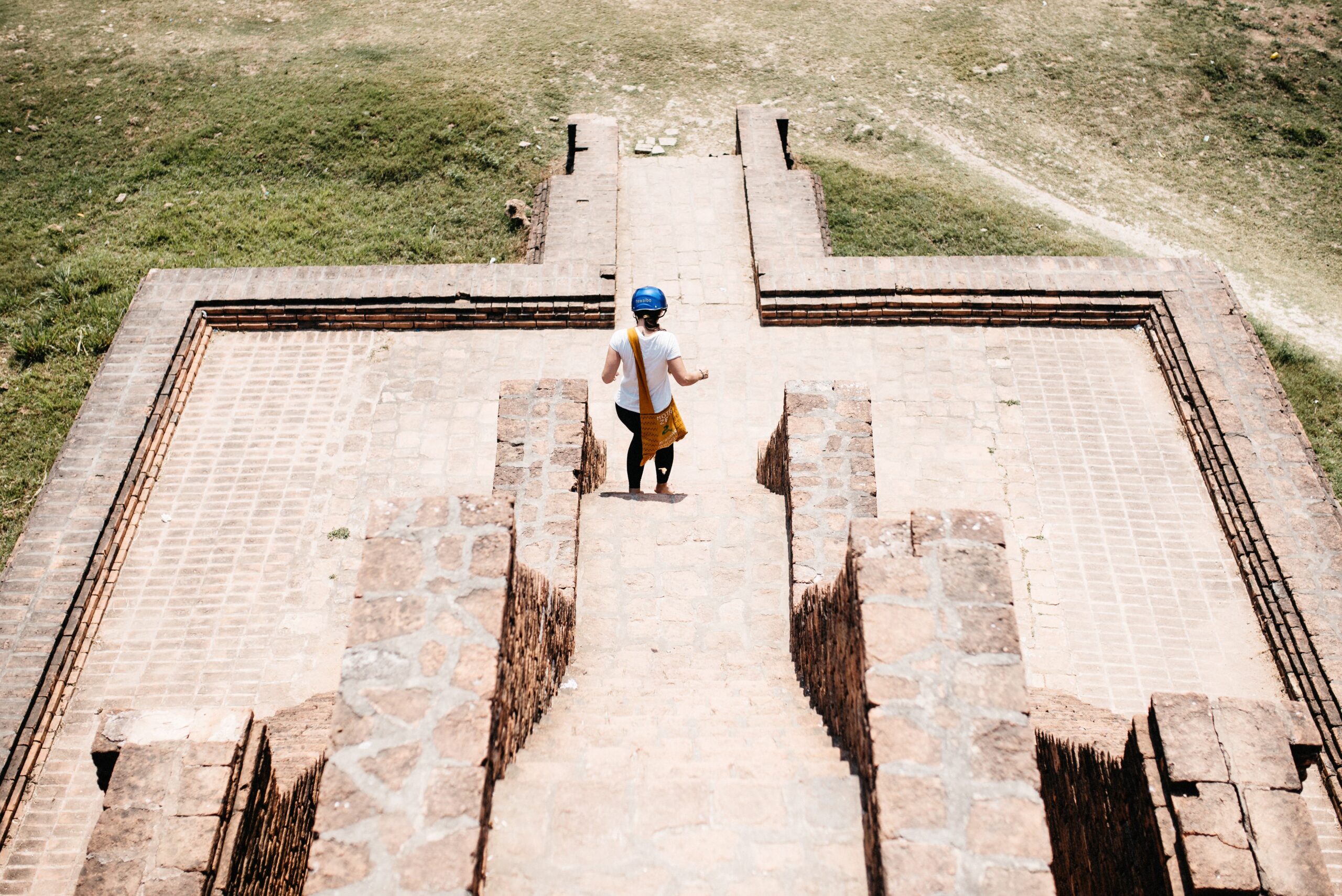
Our local guide from the food tour had recommended several temple complexes. The last one we visited was the most spectacular because, unlike at Bagan, we could still climb two of its temples.
Sagaing Hill
Sagaing Hill is one of those places that looks even more impressive from a distance. From Inwa, we could continue by boat or make a small detour across the bridge. We chose the bridge and loved the view of the pagoda-covered hill as we approached.
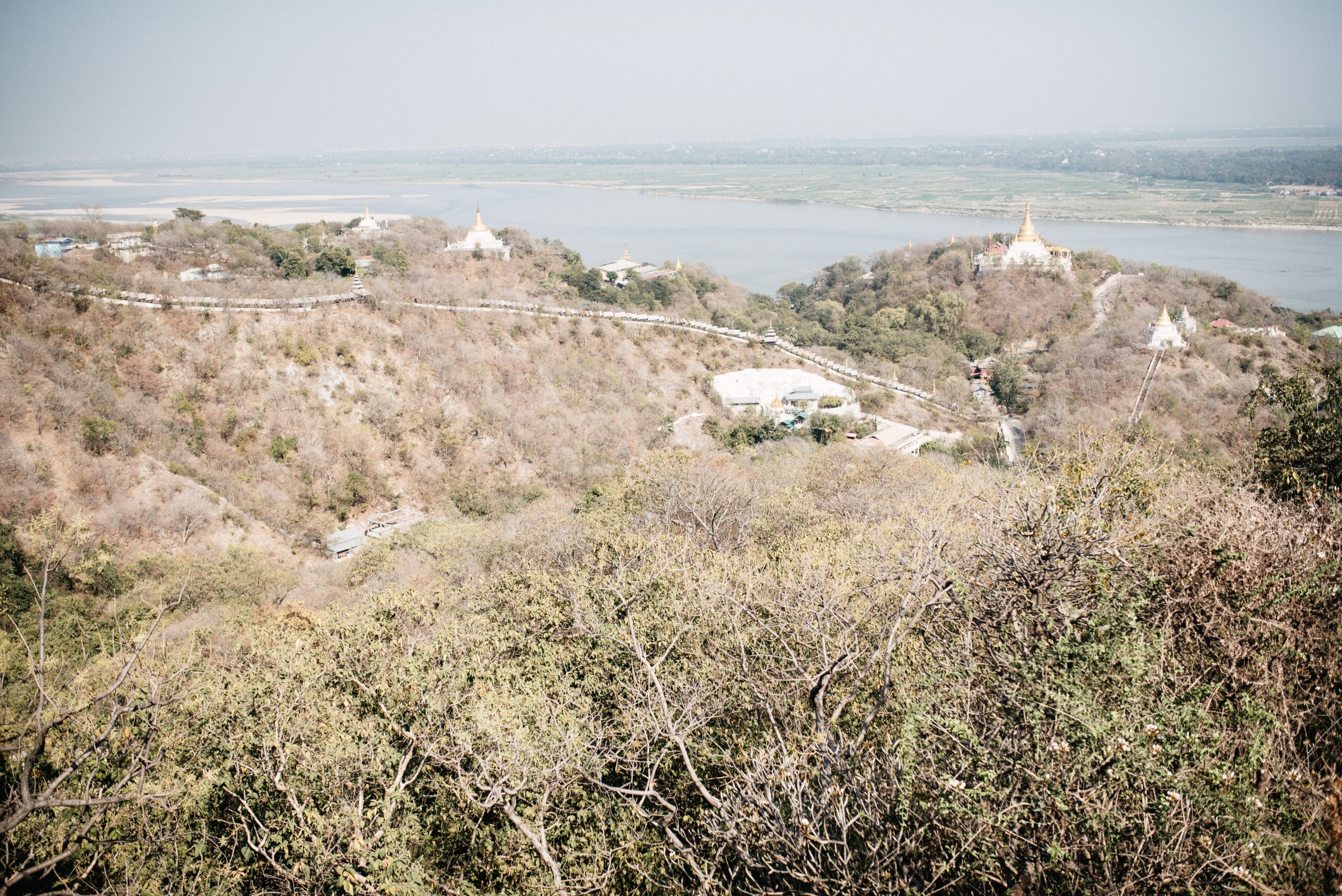
We rode up Sagaing Hill to one of its monasteries and paid about 3,000 kyat for parking. The hill is huge, and exploring every monastery and pagoda could easily take half a day. In the heat, we limited ourselves to a smaller section. Many of the buildings are connected by shaded walkways, and the view down towards the Irrawaddy River was far more rewarding than our hazy visit to Mandalay Hill.

U Bein Bridge in Amarapura
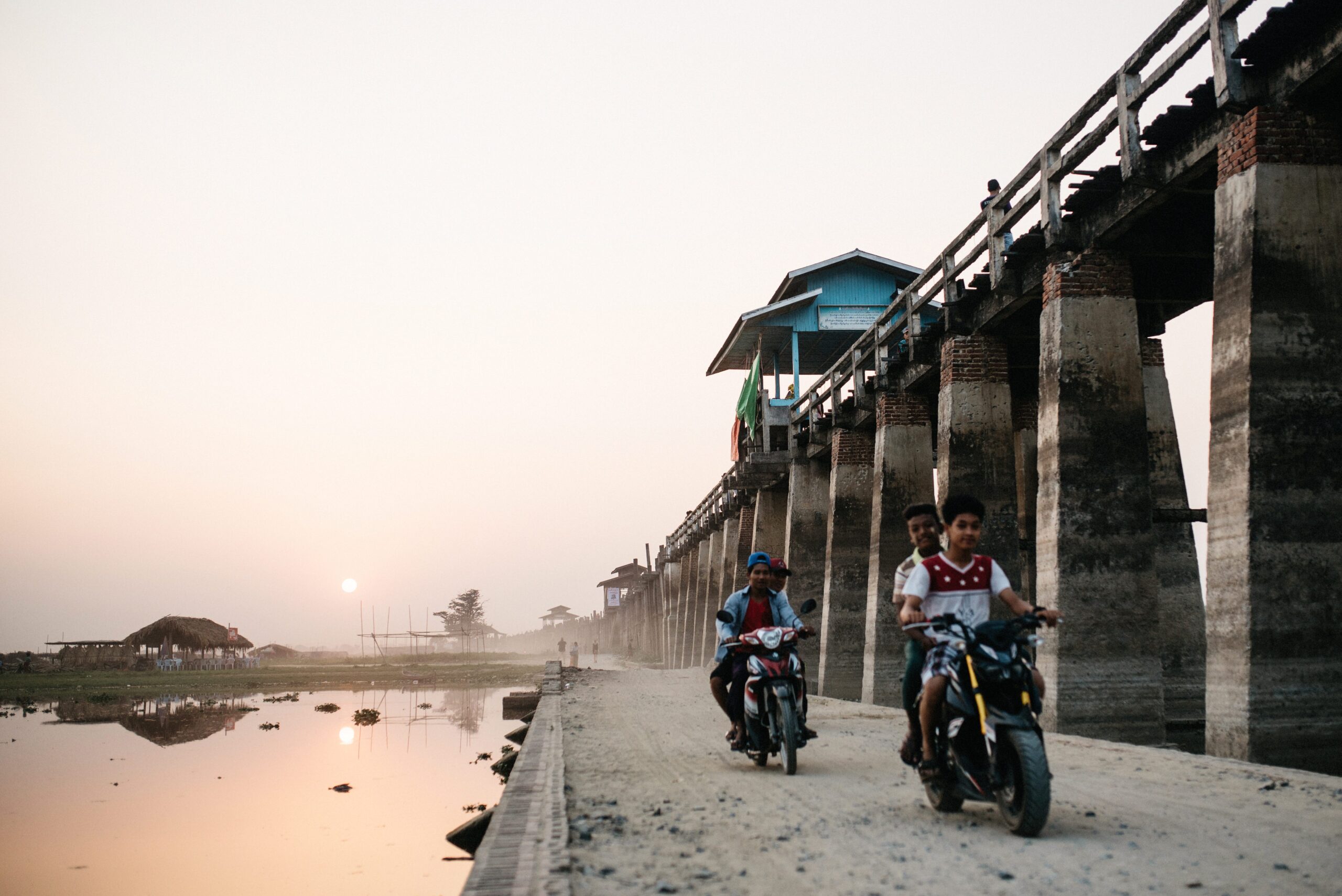
Our final stop was U Bein Bridge in Amarapura. It is the place everyone visits for sunset and it is undeniably touristy. Still, the sun drops directly behind the teak bridge and gives the crowded scene a romantic touch.

The best photo spot was easy to find: we followed the path beside and partly underneath the bridge, along with everyone else. The grassy area next to the bridge gave us the best angle for watching the sun go down.
Where we ate and slept
Shan Ma Ma
Our hotel recommended Shan Ma Ma. Judging only by its appearance, it would not have been our first choice. The tables stood beside a main road, the kitchen looked like a garage and the menu was a binder of food photos that had clearly not been taken by an award-winning photographer. But the sweet chicken was delicious, the Shan buffet looked great, and every dish came with Burmese soup and an enormous bowl of rice. The value for money was almost unbeatable.
Fudo Bakery
Many guidebooks mentioned Noble Bakery, but our favourite was Fudo Bakery. The selection of sweet treats seemed endless, and everything we tried, including rainbow cake, strawberry cake, ice cream, watermelon shake and coffee, was delicious. It was the perfect place for a long afternoon of tea and cake.
Moon Light Hotel
We stayed at Moon Light Hotel. Its location was ideal for the Royal Palace, the railway station, restaurants and small shops. Our room was clean and spacious. We would recommend requesting a room with a window because the windowless rooms looked small and dark. The reception staff were also very helpful when we booked bus tickets and organised transfers.
From Mandalay, we continued overnight to Kalaw for our two-day trek to Inle Lake.